The sharp reduction in Utah monument protections puts coal, uranium, cultural sites and federal land management back at the center of a long-running political fight. Claims about stock purchases have drawn attention, but the available reporting does not establish that any specific trades were connected to the decision.
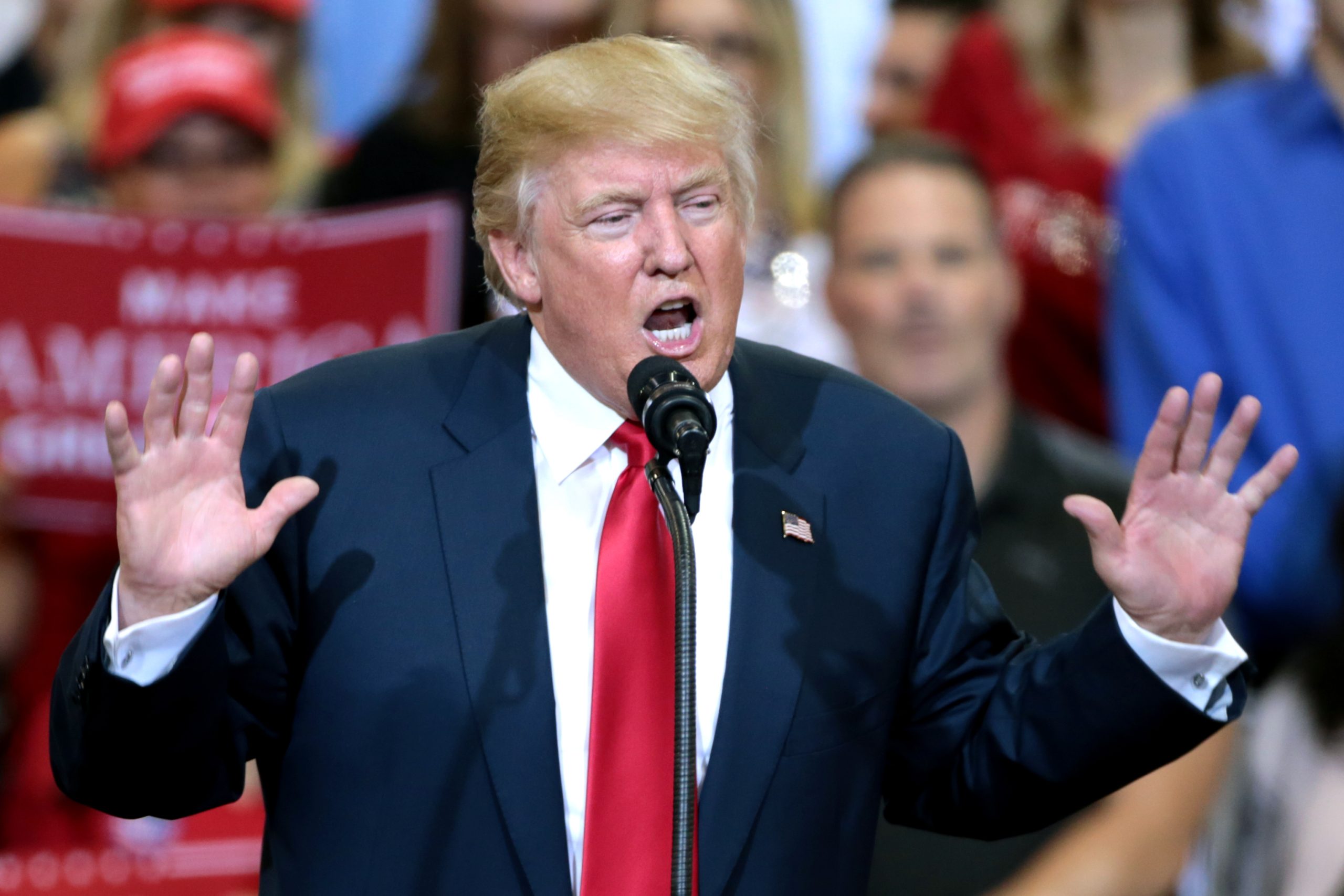
Donald Trump reduced protections for two Utah national monuments, Bears Ears National Monument and Grand Staircase-Escalante National Monument, cutting their combined footprint from more than 3.2 million acres to less than 303,000 acres. The action has put mining interests, public-land protections and alleged stock purchases under fresh scrutiny.
The acreage reduction is documented. The claim that stock buys were tied to the policy is not established by the reporting available: no purchasers, companies, transaction dates or records have been identified. That gap matters as the dispute over Utah’s monument boundaries returns.
A dramatic change in acreage
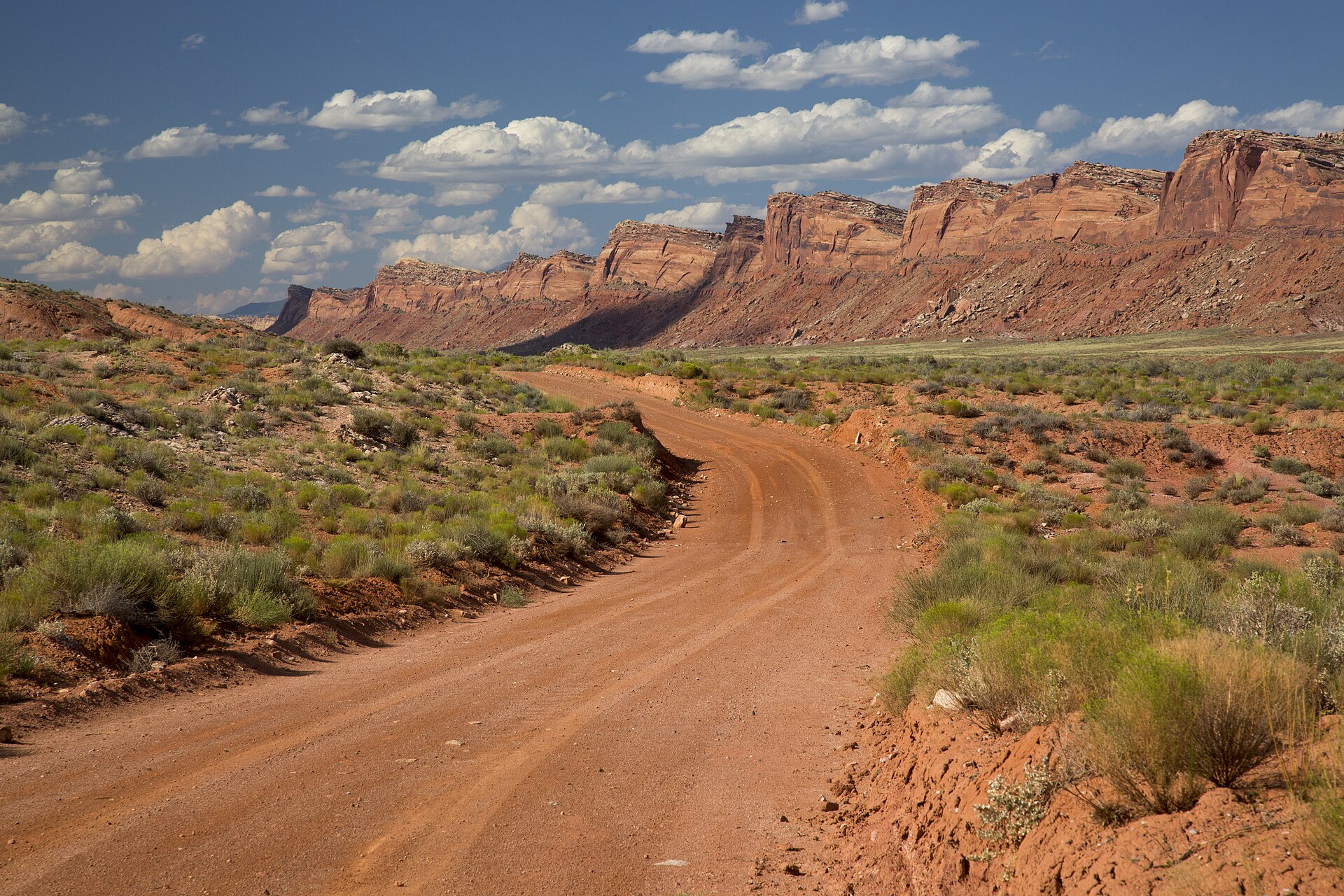
The revised boundaries leave Bears Ears and Grand Staircase-Escalante with less than 303,000 acres combined, according to PBS, citing Associated Press reporting. Before the reduction, the monuments together covered more than 3.2 million acres, an area nearly the size of Connecticut.
The action revisits a major argument from Trump’s first term. Trump previously reduced the two monuments, President Joe Biden later restored their boundaries, and the latest move again redraws the protected areas.
That cycle illustrates why monument policy remains so politically fraught. A change in presidential administration can dramatically alter how much federal land falls within a monument’s boundaries, even before courts and agencies resolve the practical consequences.
Why the boundaries carry weight
A national monument designation can restrict new mining, drilling and construction across a large landscape. The issue is not simply whether a particular landmark or archaeological site remains protected; it is also which surrounding lands face the strongest federal restrictions.
Trump described the move as returning land to the people. Utah officials who support the reductions have long argued that state and local interests should have a larger role in decisions about federal land management.
Utah Gov. Spencer Cox, a Republican, said the central question is not whether the land should be protected, but how it should be protected. His office has said land removed from the revised monument boundaries remains covered by existing federal and state law.
Critics see a different practical effect. They contend that reducing the monuments could weaken protections and create more room for extractive development, even if the path to any individual project is uncertain and other laws still apply.
Coal and uranium shape the fight
The land at issue has environmental, archaeological, cultural and economic importance. Bears Ears and Grand Staircase-Escalante include dramatic geological landscapes, archaeological sites and places regarded as sacred by some Native American tribes.
They are also close to resources with commercial value. Grand Staircase-Escalante includes large coal reserves, while the Bears Ears area includes uranium, according to the PBS report.
That mix explains why a boundary line can carry consequences beyond a map. Supporters of smaller monuments argue that expansive designations can limit access to minerals they view as essential. Conservation advocates and tribal citizens argue that lands with cultural and ecological significance need lasting protection from development pressure.
Neither position turns solely on acreage. The deeper dispute is over who should decide the future of these places, which interests should carry the most weight and whether protections can endure from one administration to the next.
What the stock claims do not show
Alleged stock purchases connected to the monument action have generated scrutiny because government decisions can affect businesses tied to energy, mining and infrastructure. It is reasonable to examine whether investors, officials, companies or associates could benefit from a shift in public-land policy.
But the supplied reporting does not identify a stock purchaser, a company ticker, a transaction date, a disclosure filing, an investigative finding or an official allegation showing that any trade was connected to Trump’s decision.
That distinction is not technical. Saying that a trade was “linked” to a policy action can imply advance knowledge, insider information, influence over the policymaking process or a direct financial gain. Each of those possibilities would require its own evidence.
A substantiated account would need to establish who bought what, when the purchase happened, whether any nonpublic information was involved and how the buyer was connected to the policy process. None of those elements is established in the available material.
Tribal stewardship remains central
For tribal advocates, the controversy is not primarily a debate about mineral economics. Bears Ears is jointly managed through an agreement involving tribal nations and federal agencies, and many tribal citizens describe a cultural and spiritual connection to the land.
Davina Smith-Idjesa, a Navajo Nation citizen and co-chair of the Bears Ears Inter-Tribal Coalition, said that connection could not be erased “by the stroke of a pen,” according to PBS.
Conservation groups and tribal citizens have warned that a smaller monument could undermine co-stewardship and weaken safeguards for cultural sites. Their concern is not that every acre outside the new boundary immediately becomes available for development, but that the policy shift changes the balance of protections over time.
The contrasting view from Utah officials is that protections outside the revised boundary do not disappear. The unresolved question is how effective those remaining protections will be compared with monument status, particularly as future land-use decisions are made.
A recurring test of presidential power
The Antiquities Act of 1906 authorizes presidents to designate national monuments for areas of cultural, historic or scientific interest. Critics of large reductions argue that the law clearly grants the authority to create protections but does not clearly authorize a later president to substantially erase them.
There is also historical evidence on the other side of that argument. Presidents have reduced monument acreage more than a dozen times since 1912, according to a National Park Service database cited by PBS.
Trump’s earlier reductions in Utah prompted litigation, while Biden’s restoration showed how monument boundaries can be reversed by a successor. The legal history complicates the claim that the authority is settled either way.
For now, the confirmed development is the steep reduction in protections for Bears Ears and Grand Staircase-Escalante. The unresolved fights concern future development, tribal and cultural safeguards, legal authority and whether any financial-interest claims can be supported by evidence specific enough to move beyond suspicion.
Leave a Reply