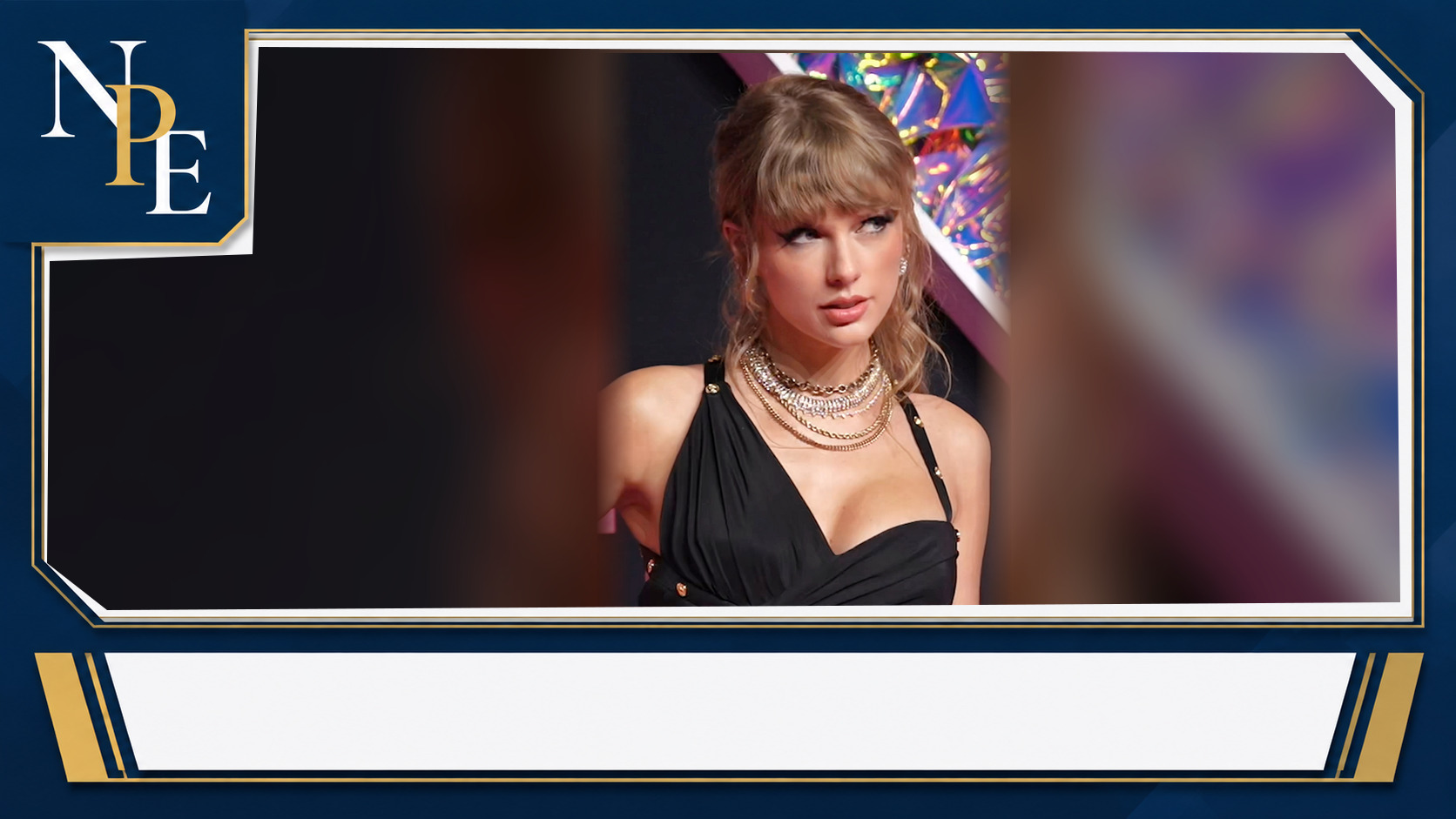
The reported connection has made a photogenic working breed newly visible. There is no evidence yet of a Samoyed boom, but the attention offers a reminder that a striking image does not show the demands of daily ownership.
The Wall Street Journal reported that Travis Kelce was photographed with a Samoyed puppy after arriving in Palm Beach, Florida. Fans quickly connected the dog to Kelce and Taylor Swift, putting fresh attention on a bright-white, fluffy breed that is far less common than the French Bulldog.
That attention is not evidence of changing ownership patterns. There is no public evidence that Samoyed registrations, inquiries or purchases have risen because of Swift. For now, the story is about visibility and possible cultural influence rather than a documented surge in demand.
A striking look is only part of the breed
A Samoyed’s white double coat, dark eyes and upturned expression make it immediately recognizable in photographs and short videos. Those features can project softness, luxury and wintery glamour.
But the appeal of the image can obscure what the breed requires at home. Samoyeds were developed as working dogs in cold climates, and their thick coats require consistent upkeep. The pristine fur seen in a photograph comes with brushing, cleaning and heavy shedding.
- Grooming: The dense coat requires regular care and sheds heavily.
- Time: Training, exercise and social contact are core needs, not optional extras.
- Climate: A dog developed for cold conditions may need careful management in heat.
- Cost: Food, grooming, veterinary care, training and pet care extend well beyond a purchase price.
Samoyeds also need activity, training and company. Someone drawn only to the breed’s smile may be unprepared for an energetic dog that can become bored or disruptive without enough physical exercise and mental engagement.
Celebrity visibility does not create a simple formula
Celebrity pets can make a breed seem newly familiar or fashionable, particularly when an animal has a distinctive silhouette. Swift’s audience closely follows her fashion, references and cultural orbit, so a puppy reportedly associated with her can prompt curiosity well beyond dog enthusiasts.
Interest, however, does not automatically become enduring demand or responsible ownership. People also weigh guidance from rescue groups, breed-focused communities and veterinarians, alongside housing limits, budgets and fast-changing online feeds.
A 2014 study indexed by the National Institutes of Health examined links between dog movies and breed popularity. It found that films had their strongest influence in the early 20th century, with that effect declining over time. The finding complicates the notion that one famous person can single-handedly produce a craze.
Fragmented media can still reinforce a trend once it begins. Searches, fan posts, breeder marketing and repeated exposure may carry an initial celebrity image further. If interest in Samoyeds does grow, Swift may be one factor rather than the entire explanation.
The French Bulldog example carries a caution
French Bulldogs became prominent celebrity pets before becoming mainstream favorites. Their compact build, expressive faces and reputation as apartment-friendly dogs helped make them highly visible with actors, musicians and influencers.
Celebrity ownership was only part of that rise. Social media amplified the breed’s appeal, while breeder and retailer demand grew. Many people were also attracted to a dog they viewed as manageable in urban life.
A 2017 BBC report cited British animal-welfare groups that linked celebrity and Instagram interest in French Bulldogs with an increase in dogs being surrendered. The groups said buyers could underestimate health concerns, including breathing problems associated with the breed’s flat-faced conformation.
The comparison shows that celebrity attention can make a dog familiar, while fan accounts, pet creators, algorithms, marketing and lifestyle preferences can help turn that familiarity into a broader pattern. It also shows why a viral pet should not be mistaken for an easy fit.
Prospective owners need more than a photo
Breed guides, including one published by the Los Angeles Times, advise prospective owners to consider grooming, training, temperament and health needs before bringing home any dog.
For Samoyeds, that means accounting for long-term routine as well as appearance: regular coat care, exercise, social contact, training, veterinary care and the costs that continue beyond a purchase price. Samoyeds can be rewarding dogs for owners prepared for them, but they are not interchangeable with the polished version seen in celebrity coverage.
Greater visibility could connect knowledgeable households with a breed that suits their schedules, space and resources. It could also encourage interest in training, ethical breeding and adoption.
The less encouraging outcome would be a rush for a striking puppy followed by surprise over shedding, energy demands and long-term expense. Separating admiration from an impulse decision is the more useful response to the attention.
What would signal a real shift
Fan excitement around one sighting would not, by itself, establish a celebrity-driven Samoyed trend. A more meaningful shift would likely show up in increased inquiries reported by breed-rescue groups, reputable breeders, veterinarians and shelters.
Search interest could rise, too, although online attention alone would not show whether prospective owners are making informed choices. Swift and Kelce may make more people notice Samoyeds, and that attention could remain a short-lived pop-culture moment.
Turning the breed into a lasting phenomenon would take more than one adorable puppy and one famous household. The breed’s real-life demands may be the strongest limit on an unchecked craze, making responsible breeders or rescue organizations, realistic budgets and a long-term commitment more important than celebrity appeal.
Leave a Reply