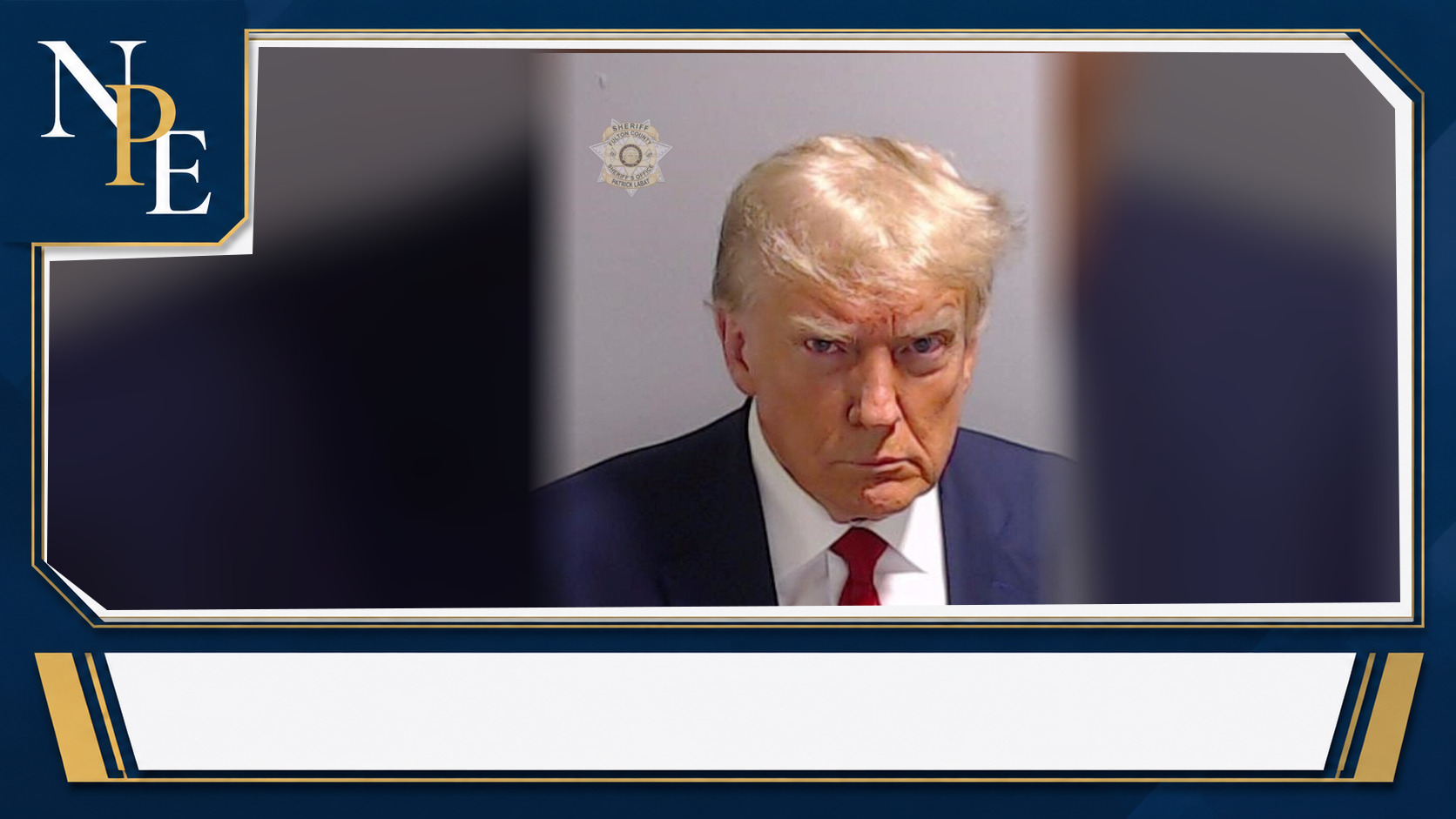
If Republicans lose one or both chambers of Congress in the midterm elections, Donald Trump could face more assertive congressional scrutiny of his administration. A new majority could seek records, call witnesses and use subpoenas, but a change in control would not automatically produce legal findings or dictate White House policy.
An election flip would change power, not settle cases
The most immediate effect of a shift in congressional control would be institutional. The party holding a chamber can set its oversight priorities, choose which matters receive sustained attention and shape the public agenda through hearings and reports.
That would not remove Trump from office, establish criminal wrongdoing or decide the outcome of administration policy. Committees can investigate, develop facts, make referrals and apply political pressure, but they do not determine criminal guilt.
Impeachment follows its own constitutional process. The House may approve articles of impeachment, while the Senate conducts any trial; control of only one chamber would not settle either stage.
The House and Senate would bring different pressure points
The consequences would depend on whether the House, the Senate or both chambers change hands, as well as the size of any new majority. Each chamber has separate committees, rules and constitutional responsibilities, so control of one does not transfer authority over the other chamber’s investigations, schedule or nominations.
In the House, the majority chooses committee chairs and holds a numerical advantage on committees. That could enable Trump’s opponents to direct oversight across parts of the executive branch rather than respond to priorities set by Republicans.
An opposition-controlled House could also use appropriations bills to seek answers or press for policy conditions. Congress’s role in agency funding and agency powers can provide leverage in disputes with the executive branch.
In the Senate, a new majority would have a different tool set. Because the Senate considers many presidential nominees, a change in control could create additional hurdles for nominees and for parts of the administration’s legislative program.
Records requests could become formal disputes
Congress’s investigative authority is connected to its legislative responsibilities. The Congressional Research Service describes this authority as Congress’s “power of inquiry,” which lawmakers use to examine how laws are implemented, how public funds are spent and whether new legislation is needed.
According to the Congressional Research Service, congressional committees may seek voluntary cooperation before using subpoena authority for testimony or documents under their respective rules. A new majority could use those tools to press executive branch officials for information.
A subpoena would not ensure a rapid disclosure. Executive branch officials can raise legal objections, including claims of privilege, and disagreements can lead to negotiations or litigation. The Congressional Research Service notes that criminal and civil enforcement routes depend significantly on other branches of government, while court fights over executive branch information can take substantial time.
When an administration resists, Congress can pursue civil enforcement in court, refer a contempt citation for potential criminal prosecution, or increase political pressure through hearings, reports and legislative negotiations. A committee can also make noncooperation part of its public case even when it does not obtain every requested record.
Oversight can compete with the White House agenda
The practical demands of an investigation can begin before a public hearing. Senior aides and Cabinet officials may need to devote time to document requests, interviews and testimony preparation, drawing attention away from policy rollout and political messaging.
Congressional investigations can influence public perception without producing a new law, criminal charge or court victory. Hearings, testimony, document disputes and public reports can keep an issue in view for months.
Supporters of forceful oversight view it as a necessary constitutional check on presidential power, particularly on questions involving government spending, national policy or compliance with congressional directives. Trump allies and other critics of opposition-led investigations often contend that committees can use oversight as a partisan weapon intended to weaken a president politically rather than improve government.
Those concerns can coexist: oversight is a constitutional responsibility, but political incentives can shape how it is used. A hostile committee majority would not need to establish misconduct to create a sustained challenge for the White House.
Legislation could require more bargaining
Oversight would be only one consequence of divided government. Major legislation generally requires approval from both the House and Senate, and presidents depend on Congress for spending measures, tax changes, program reforms and other core agenda items.
If Republicans lost one chamber, Trump could still use executive authority where the law permits and seek bipartisan agreements. But legislation supported mainly by one party would face a steeper path, while must-pass bills could require more negotiation and compromise.
Divided government does not necessarily mean total gridlock. Congress and a president can still reach agreements on deadlines, disaster relief, defense matters or policies with genuine cross-party support.
The clearest near-term result of a Republican loss would be a different distribution of power on Capitol Hill. Trump could face stronger demands for administration information and a more difficult legislative environment, but the precise effects would depend on the election results, committee priorities, the administration’s response and any disputes that reach court.
Leave a Reply