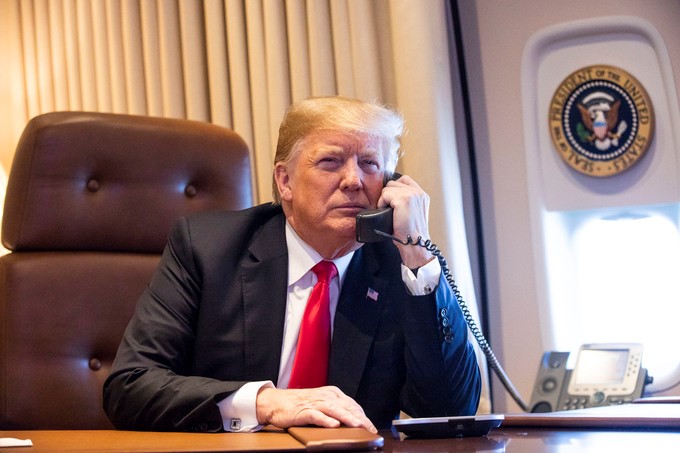
The Air Force One remark suggests a diplomatic channel remains open. But Trump offered little clarity on who is talking, what is on the table or how close Washington and Tehran are to any agreement.
Donald Trump said the United States is talking with Iran right now, telling reporters on Air Force One on Monday as he traveled to Michigan that the current talks are “good.” The remark, reported by Reuters, matters because the U.S. and Iran are in current talks at a moment when even a limited diplomatic opening could affect security, sanctions and regional risk.
Trump’s comment did not amount to an announcement of a deal. It was a signal from the U.S. government that negotiations, or at least contacts, are active — while the chances of a deal with Iran remain uncertain.
Trump’s message was brief
The core of Trump’s statement was simple: Washington is talking with Tehran “right now.” He also described the talks as “good,” according to Reuters, while speaking to reporters during the Air Force One trip to Michigan.
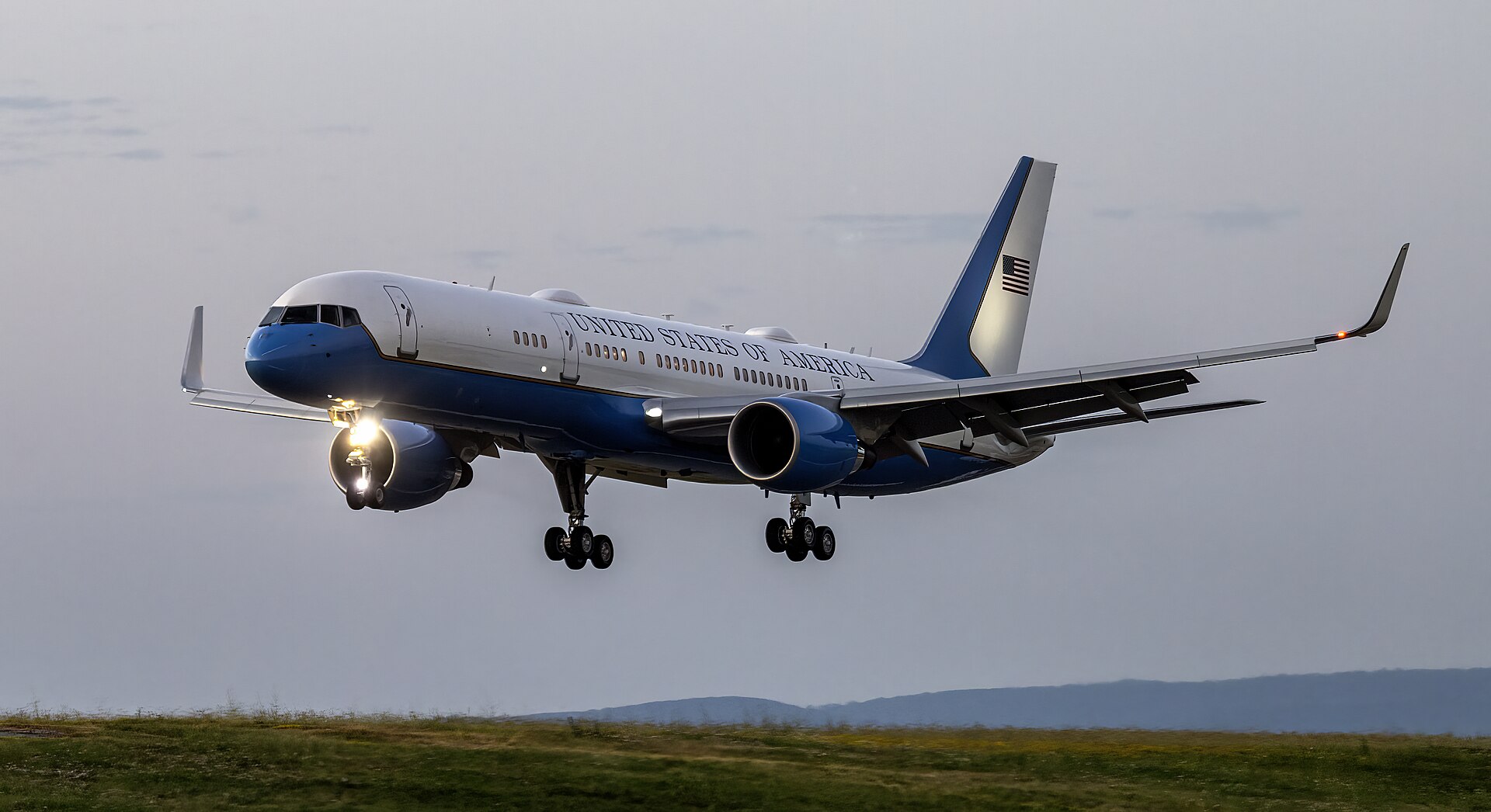
That combination — current talks, positive tone, few details — is the part that matters. In diplomacy, acknowledging that a channel exists can itself be a message to allies, adversaries and domestic critics. But it is not the same as saying there is a draft agreement, a timetable or a shared understanding of the end point.
Trump did not publicly lay out who was participating in the talks, whether they were direct or indirect, where they were taking place, or which issues were being prioritized. Those omissions leave a wide gap between “talking” and “close to a deal.”
A deal was not promised
Trump’s public posture on Iran has mixed optimism with pressure. A White House account of an April CNBC interview said he argued the United States was in a strong negotiating position and predicted that “we’re going to end up with a great deal.” In the same White House summary, he also warned that the U.S. remained prepared to act if negotiations failed.
That is the frame around Monday’s remark. Calling talks “good” may suggest the door is open, but it does not answer the most important question: whether Iran is prepared to accept terms Washington would consider sufficient.
Reuters previously reported Trump saying the U.S. and Iran were talking while Tehran was not yet ready for a deal. That makes the latest comment less a breakthrough than a status update: the channel appears alive, but the hard bargaining may still be unresolved.
For readers trying to read the signal, the safest interpretation is narrow. Trump is saying contact exists. He is not saying the dispute is settled.
Why Iran talks carry weight
U.S.-Iran negotiations are never just bilateral. They sit on top of disputes over Iran’s nuclear program, sanctions, regional alliances, shipping routes, energy markets and the security calculations of countries across the Middle East.
Even a small shift in tone from Washington can be noticed quickly. Allies want to know whether the U.S. is pursuing diplomacy, coercion or both. Iran’s leaders want to test how much pressure Washington is willing to apply. Markets and governments watch for signs that tensions could rise or ease.
That is why an Air Force One exchange can generate attention even when it contains few specifics. Presidents often use short remarks to place a marker in public without showing the private negotiating hand.
The risk is that vague optimism can be overread. Talks can be productive and still fail. They can also continue for months while the parties use the process to buy time, manage escalation or test each other’s limits.
What remains unclear
The biggest unknown is the format. Trump’s remark did not clarify whether U.S. and Iranian officials are speaking directly, communicating through intermediaries, or using a mix of formal and back-channel contacts.
The substance is also unclear. A serious negotiation could involve nuclear limits, sanctions relief, regional activity, detainees, military de-escalation or some combination of those issues. Without details, it is impossible to know whether the sides are discussing a broad agreement or a narrower arrangement to prevent a crisis.
There is also the question of timing. Trump said the talks are happening “right now,” but he did not provide a deadline. Diplomatic timing matters because pressure campaigns, domestic politics and regional events can all change the incentives for both sides.
- Confirmed: Trump said the U.S. is talking with Iran now and called the talks “good.”
- Not confirmed: The format, location, participants and agenda of the talks.
- Still uncertain: Whether either side is close to accepting a deal.
The politics at home
Any Iran negotiation creates pressure inside Washington. Supporters of diplomacy argue that talks are the best way to reduce the chance of conflict and gain verifiable limits or concessions. Critics often warn that Iran can use negotiations to stall while keeping leverage of its own.
Trump’s wording appears designed to hold both lanes. By saying talks are “good,” he can present himself as an active dealmaker. By stopping short of promising success, he preserves room to blame Iran if negotiations collapse or to escalate pressure if he decides diplomacy has run its course.
That dual posture has been a recurring feature of his Iran comments. The White House’s April summary emphasized both the possibility of a “great deal” and the threat of decisive action if talks fail. Monday’s remark fits that pattern: open door, hard edge, limited detail.
For the public, the practical takeaway is that U.S. policy appears to be in a negotiating phase, not a settled phase. That means future remarks from Trump, Iranian officials, or intermediaries may matter as much as formal announcements.
The signal to watch next
The next meaningful development would be confirmation from another party — Iran, a mediator, or a senior U.S. official — that talks are taking place and what they are intended to achieve. Without that, Trump’s statement remains important but incomplete.
Another key signal would be whether the language shifts from “talking” to “agreement,” “framework,” “proposal” or “deadline.” Diplomatic vocabulary is often careful. A change in wording can reveal whether negotiations are advancing or merely continuing.
For now, Trump has put one fact into public view: he says the United States and Iran are talking right now. The open question is whether those talks are a path to a deal, a way to manage confrontation, or simply the latest round in a long-running test of leverage.
Leave a Reply