
Markwayne Mullin’s early months at Homeland Security are being defined by scrutiny over ICE encounters, reported friction with the White House and criticism from parts of Trump’s coalition.
Homeland Security Secretary Markwayne Mullin is facing a difficult early test at a department central to President Donald Trump’s immigration agenda. The Associated Press reported that three people were killed in encounters with Immigration and Customs Enforcement officers in less than a week, putting DHS back in national controversy only months after Mullin took over.
NBC News separately reported on July 23, 2026, that tension between Mullin and the White House appeared to be growing, citing a senior Trump administration official and a senior DHS official. Mullin has publicly rejected the idea of a split, saying there was “no daylight” between himself and Trump, according to NBC News.
What the reporting establishes
Mullin, a former Republican senator from Oklahoma, became Homeland Security secretary after Kristi Noem was fired, according to the Associated Press. DHS identifies him as the ninth secretary of the department and says he previously represented Oklahoma in both the Senate and the House.
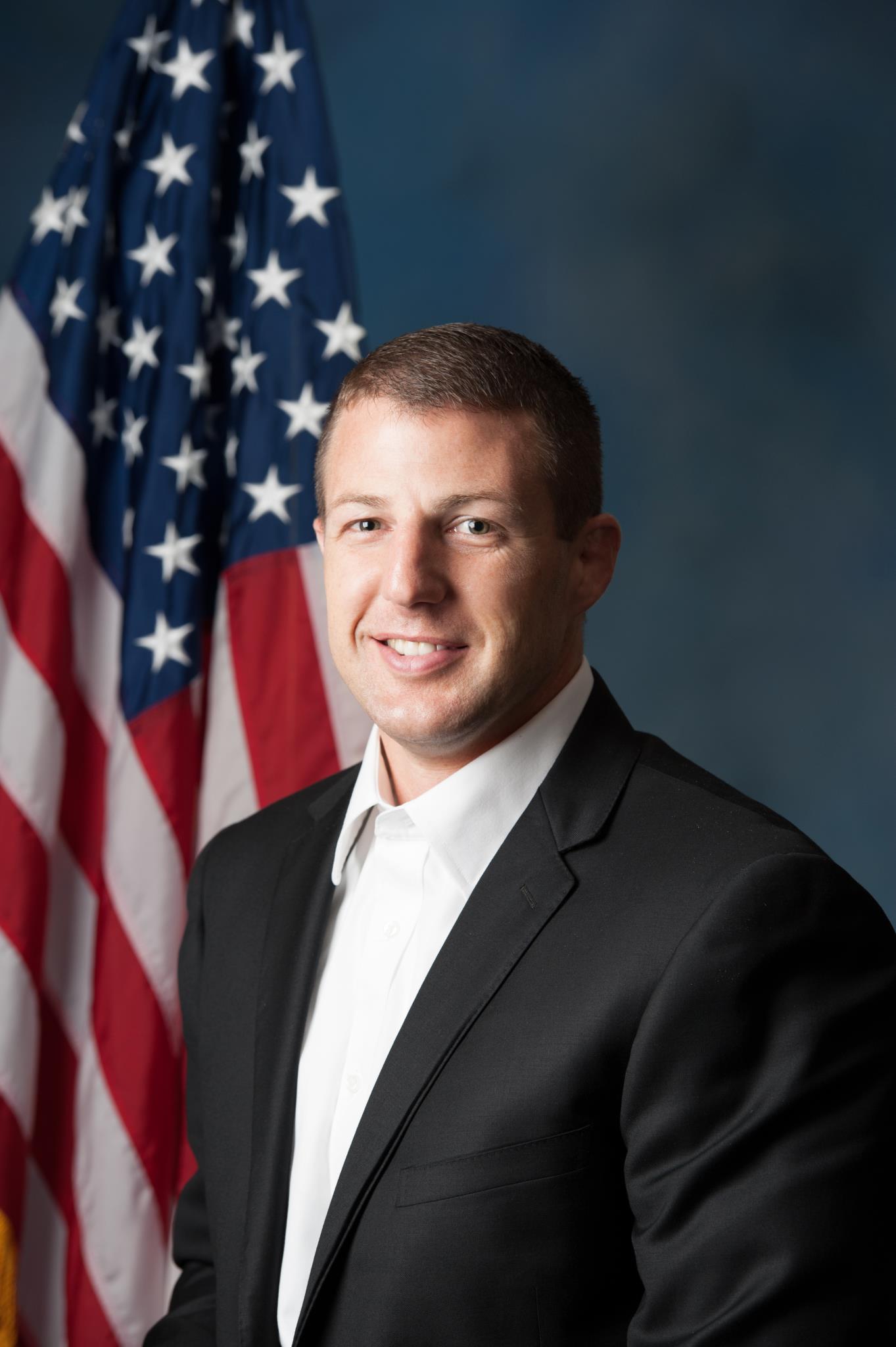
AP reported that Mullin pledged to get DHS out of the headlines after turbulence under his predecessor. Instead, the department has again drawn scrutiny after the ICE encounters that left three people dead.
The cited reporting does not show that Trump has announced a leadership change at DHS. It points to political pressure, public scrutiny and reported internal strain around a secretary running one of the administration’s most closely watched agencies.
ICE scrutiny is now Mullin’s central test
AP described the deaths as Mullin’s first major test as secretary. The outlet reported that he is trying to balance pressure from a White House eager to carry out mass deportations with questions from former colleagues in Congress about immigration enforcement.
That balance is difficult because DHS is responsible for carrying out immigration enforcement while also answering for how those operations are conducted. AP reported that new revelations about one of the officers involved could add further scrutiny.
Democratic Rep. Seth Magaziner criticized Mullin on the House floor, according to AP. Referring to Mullin’s earlier goal of keeping the department out of the headlines, Magaziner said, “Well, you’re back on the goddamn front page now.”
White House tension is reported, not a confirmed break
NBC News reported that, four months into Mullin’s role, tension between him and the White House appeared to be growing after what the outlet described as early missteps. The public excerpt cited a senior Trump administration official and a senior DHS official.
Mullin has pushed back on the suggestion that he is out of step with Trump. NBC News reported that he said there was “no daylight” between himself and the president at an election-security news conference.
That distinction matters: the available reporting supports signs of strain, but not a confirmed rupture. There is no public indication in the cited material that Trump has removed Mullin or announced a new DHS leader.
Some Trump supporters criticized a DHS decision
AP reported that a decision involving vehicle stops angered some Trump supporters. The report identified conservative influencer Nick Sorter among the critics.
The available reporting does not establish that all MAGA supporters oppose Mullin or that Trump’s coalition has taken a unified position on his leadership. It shows that criticism has come from some Trump-aligned voices at a moment when DHS is already under scrutiny.
That makes the politics more complicated for Mullin. He is not only answering critics of the administration’s immigration agenda; he is also navigating criticism from people who generally support Trump’s broader enforcement goals.
The Noem comparison still frames the job
AP described Mullin’s approach as a marked change from Noem’s. He entered the role with a stated goal of reducing the department’s presence in the headlines, while DHS remained responsible for the Trump administration’s mass-deportation policy.
The comparison underscores the challenge of leading DHS under intense political attention. A lower-profile approach can still be overtaken by events when immigration enforcement becomes the focus of deaths, congressional questions and public criticism.
For now, the verified picture is narrower than a personnel crisis: Mullin remains in the role, NBC has reported signs of growing White House tension, AP has reported scrutiny after three ICE-related deaths, and some Trump supporters have criticized at least one DHS decision.
What to watch from here
The next meaningful signals would come from Trump’s public posture toward Mullin, DHS’s handling of questions surrounding ICE operations and whether White House officials continue to leave room for Mullin to set the department’s tone.
Continued public alignment between Trump and Mullin would undercut the idea of an open break. More public contradiction or intervention from the White House would make the reported tension more consequential.
Mullin’s immediate challenge is to carry out Trump’s immigration priorities while responding to scrutiny over ICE encounters and criticism from both Congress and some Trump supporters. The reporting so far shows pressure from several directions, not a declared change in leadership.
Leave a Reply