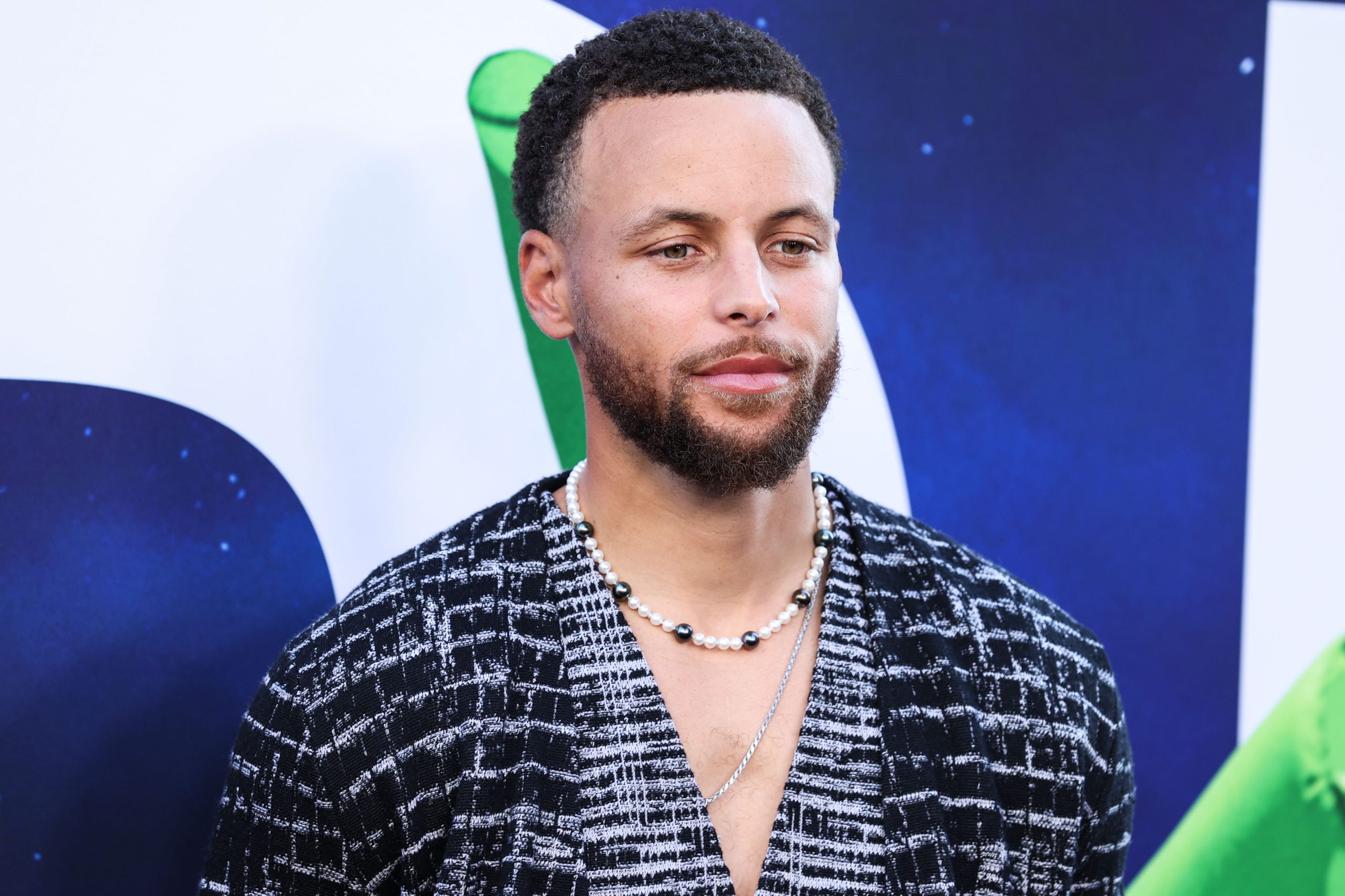
Golden State’s roster problem is real. The question is whether the Curry trade chatter reflects serious franchise logic or just frustration with a narrowing title window.
Demands to trade Stephen Curry are intensifying around the Golden State Warriors after recent news added another layer to their already uneasy roster picture: Jimmy Butler is out for the season with a torn ACL, Jonathan Kuminga has demanded a trade, and Warriors officials are publicly weighing market realities around what comes next.
That does not mean Curry is on the block. It means the Warriors’ title-window debate has shifted from uncomfortable to unavoidable, and the loudest version of that debate is now centered on whether keeping Curry through a retool still makes basketball sense.
The rumor is louder than reality
The current Stephen Curry trade conversation is best understood as pressure, not a transaction report. The difference matters.
Online demands for the Warriors to trade Curry have grown because the franchise is dealing with multiple problems at once: an aging core, a major injury to Butler, and unresolved tension around Kuminga’s role and future. That combination gives frustrated fans and analysts a simple argument: if Golden State is not close to a championship, why keep asking Curry to carry a fading version of the dynasty?
But trade noise is not the same as organizational intent. Nothing in the available reporting says the Warriors have decided to shop Curry, asked him to approve an exit, or begun a serious process to move the player most responsible for the franchise’s modern identity.
The more grounded reading is this: the Curry trade idea is gaining traction because the Warriors’ path back to contention looks harder than it did before the latest injury and roster news.
Butler injury changed the math
The Athletic, published by The New York Times, reported from San Francisco that the Warriors are preparing for life without Jimmy Butler after he suffered a torn ACL and will miss the rest of the season. The team said Butler will have surgery at a date still to be determined.
That injury is central to why the Curry conversation has heated up. Butler was not a side piece in Golden State’s plan. According to the report, he averaged 20 points, 5.6 rebounds and 4.9 assists in 38 games and had become a stabilizing force behind Curry during the Warriors’ best stretch of the season.
Golden State had won 12 of its previous 16 games before a Tuesday loss to Toronto, according to the same report. That context explains the frustration: the Warriors were not already buried. They were starting to look functional, then lost a major veteran at the worst possible time.
Steve Kerr did not try to pretend the loss was small. He said he felt terrible for Butler and for the team, while also stressing that injuries are part of the NBA. General manager Mike Dunleavy was even more direct: “We’re not as good without Jimmy.”
Kuminga demand adds pressure
Butler’s injury would be enough to unsettle Golden State. The Kuminga situation makes it more complicated.
ESPN reported that Jonathan Kuminga has demanded a trade, according to The Athletic’s account. Kuminga, 23, had not played since Dec. 18 before scoring 20 points in 21 minutes against the Toronto Raptors. His role has been a point of frustration between the Warriors’ front office and his camp.
Dunleavy’s public answer was revealing. Asked about Kuminga’s trade demand, he said he was aware of it, then added: “In terms of demands, when there’s a demand, there needs to be a demand on the market. So we’ll see how that unfolds.”
That line captures Golden State’s bind. Kuminga may want a different situation, but the Warriors cannot simply accept a poor return, especially now that Butler is out. They may need Kuminga’s athleticism, scoring and minutes more than they did a week earlier.
Why Curry is different
Curry is not just another veteran on an expensive roster. He is the face of the Warriors’ four-title era, the player who transformed the franchise, and still the reference point for every short-term decision Golden State makes.
That is why calls to trade him carry emotional and strategic weight. One side of the argument says the Warriors owe Curry the best possible chance to chase another championship, even if that chance comes somewhere else. In that view, keeping him on a team that may not be good enough is sentimental, not competitive.
The other side says trading Curry would be a franchise-altering rupture that should not be driven by panic after an injury. Curry’s value to Golden State goes beyond points, spacing and late-game shot-making. He sells belief inside the locker room and identity to the fan base.
There is also a practical layer. A Curry trade would be enormously complex because of salary, destination, timing and the kind of return Golden State would require. The Warriors would not move him like a standard deadline piece. Any real deal would likely need alignment between Curry, ownership and the front office.
Golden State still has options
The Warriors are not out of choices. Kerr pointed to the team’s depth and said Golden State is equipped to keep playing at a high level, naming veterans and younger contributors as part of the path forward.
That does not erase the problem. It reframes it. The Warriors can try to survive the Butler injury, reintegrate Kuminga if the relationship is workable, and make smaller moves aimed at keeping Curry competitive without detonating the roster.
They can also test the market around Kuminga, but Dunleavy’s comment makes clear that a trade demand alone does not create a trade. If the offers are weak, Golden State may decide its best move is to use him rather than move him.
The hardest option is the one driving the current Curry noise: admit the roster is not close enough and begin a deeper reset. That is the cleanest argument on paper and the messiest one in reality, because it runs straight through the greatest player in franchise history.
The real question ahead
The next stage is not whether a Curry trade rumor trends for another day. It is whether the Warriors can show enough direction to quiet the logic behind it.
If Golden State stabilizes after Butler’s injury and gets useful minutes from Kuminga, the Curry trade demands may fade back into the usual background noise that follows aging contenders. If the team slides, the argument will get louder because the gap between loyalty and roster reality will look wider.
What remains unclear is how much patience Curry has for another reset, how aggressive the Warriors will be in trade talks, and whether Kuminga’s situation can be repaired enough to help the current team. Those answers will matter more than the volume of the rumor cycle.
For now, the most accurate read is this: the Warriors are under real pressure, Curry trade demands are intensifying because the roster picture has darkened, but the chatter has not become a verified Warriors plan. The franchise’s immediate task is to prove there is still a credible path around Curry before the debate becomes harder to dismiss.
Leave a Reply