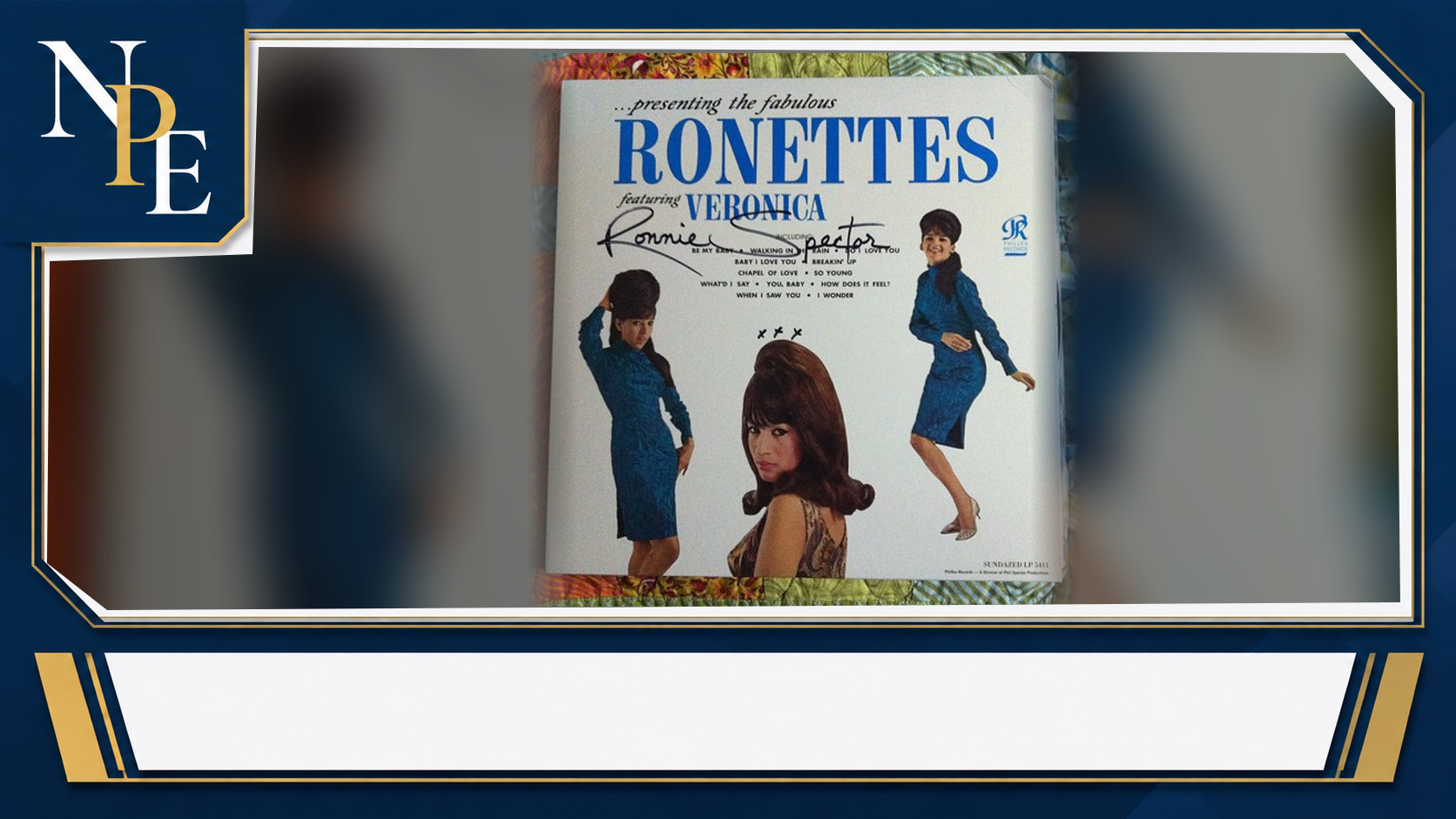
Brian Wilson’s admiration for Ronnie Spector points to why “Be My Baby” still carries such force decades after its release. Her story reaches beyond one classic single, tracing the sound, style and resilience of a singular rock-and-roll voice.
Ronnie Spector was the singer Brian Wilson praised as the voice behind rock’s greatest record: the Ronettes’ 1963 classic “Be My Baby.” Born August 10, 1943—83 years ago today—Spector gave the song its urgent, teasing center, turning a towering studio production into something intensely human.
Wilson’s admiration helps explain why Spector’s legacy remains bigger than nostalgia. The Ronettes made era-defining pop, but it was Spector’s voice—at once tough, tender and unmistakably New York—that made “Be My Baby” endure as a foundational rock-and-roll record.
Brian Wilson heard something permanent
Brian Wilson was famously captivated by “Be My Baby.” For a songwriter and producer who would go on to build the Beach Boys’ most ambitious records, the song represented an almost impossible combination: a dramatic arrangement, a huge rhythmic opening and a lead vocal that never got swallowed by the sound around it.
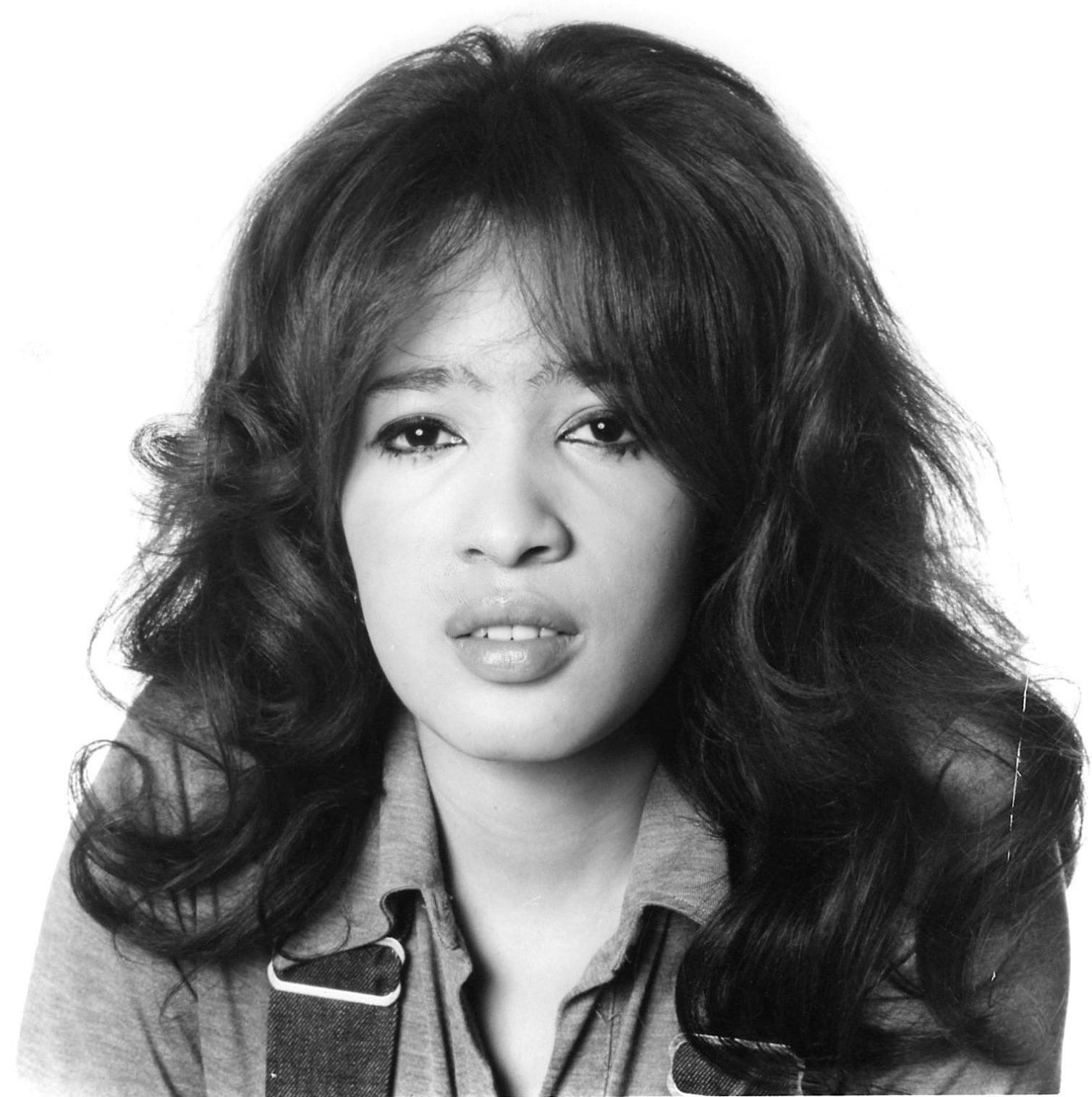
The record was produced by Phil Spector, whose so-called Wall of Sound layered musicians and instruments into a dense, echoing blend. Yet the record’s emotional identity belongs to Ronnie Spector. Her delivery does not feel ornamental or interchangeable; it tells the story.
That distinction is worth making because great records are often discussed as producer triumphs. “Be My Baby” is certainly a landmark of pop production, but its staying power depends on the tension in Spector’s voice. She sounds hopeful, commanding and slightly wary all at once.
The Ronettes made the hit theirs
Ronnie Spector, born Veronica Bennett, formed the Ronettes with her sister Estelle Bennett and cousin Nedra Talley. The trio emerged from New York’s girl-group scene with a visual style as recognizable as their records: towering hair, sharply defined eye makeup and close-fitting stage clothes that pushed against the era’s sweeter pop-group image.
“Be My Baby” reached No. 2 on the Billboard Hot 100 in 1963. It was not the Ronettes’ only major song—“Baby, I Love You” and “Walking in the Rain” also became signature recordings—but it became the one that traveled furthest through rock history.
The opening drumbeat alone has been echoed, sampled and referenced for generations. Still, the song’s real hook arrives with Spector. Her lead vocal gives the arrangement a personality, making the grand scale feel like a private plea rather than a studio exercise.
A voice bigger than the production
Ronnie Spector’s voice carried a conversational edge that separated her from many polished pop vocalists of the time. She could make a lyric sound glamorous without smoothing away its vulnerability. That quality made her influential across genres, from girl-group pop and rock to punk, new wave and modern indie music.
Keith Richards was among the rock figures who openly admired her. The larger point is not that famous musicians approved of her; it is that performers with radically different styles heard the same rare quality in her singing: conviction.
Her influence also challenges the habit of treating 1960s girl groups as a tidy, lightweight category. The Ronettes’ music was built for radio, but it had drama, force and danger. Those traits are central to why later rock musicians treated “Be My Baby” as essential listening.
Her career included a hard fight
Spector’s artistic achievement came alongside profound personal difficulty. Her marriage to Phil Spector was marked by isolation and control, circumstances she later described in her memoir, Be My Baby: How I Survived Mascara, Miniskirts, and Madness, or, My Life as a Fabulous Ronette.
After leaving the marriage, she rebuilt her career through live performances, collaborations and new releases. The Ronettes also spent years in legal disputes involving royalties and the use of the group’s name, a reminder that the people whose voices define famous recordings have not always received straightforward recognition or compensation.
That history adds another layer to Wilson’s praise. Calling attention to Spector’s voice means recognizing the artist inside a production system that often placed male producers and executives at the center of the story.
Why “Be My Baby” still matters
It is easy to call a record timeless and leave the claim unexplained. “Be My Baby” lasts because its parts still create suspense: the opening beat, the orchestral sweep, the backing voices and, above all, Ronnie Spector holding the center with a vocal that feels both intimate and enormous.
There is room for debate over any claim that one song is rock’s greatest record. Rock history has no shortage of masterpieces, and musical taste is not a contest with a final score. But Wilson’s devotion captures a widely shared view that “Be My Baby” changed the standard for what a three-minute pop single could achieve.
Spector died on January 12, 2022, at 78, after what her family described as a brief battle with cancer. Her 83rd birth anniversary is therefore not simply a birthday note. It is a chance to hear the record again with the focus where it belongs: on Ronnie Spector, the voice that made its grandeur unforgettable.
Leave a Reply