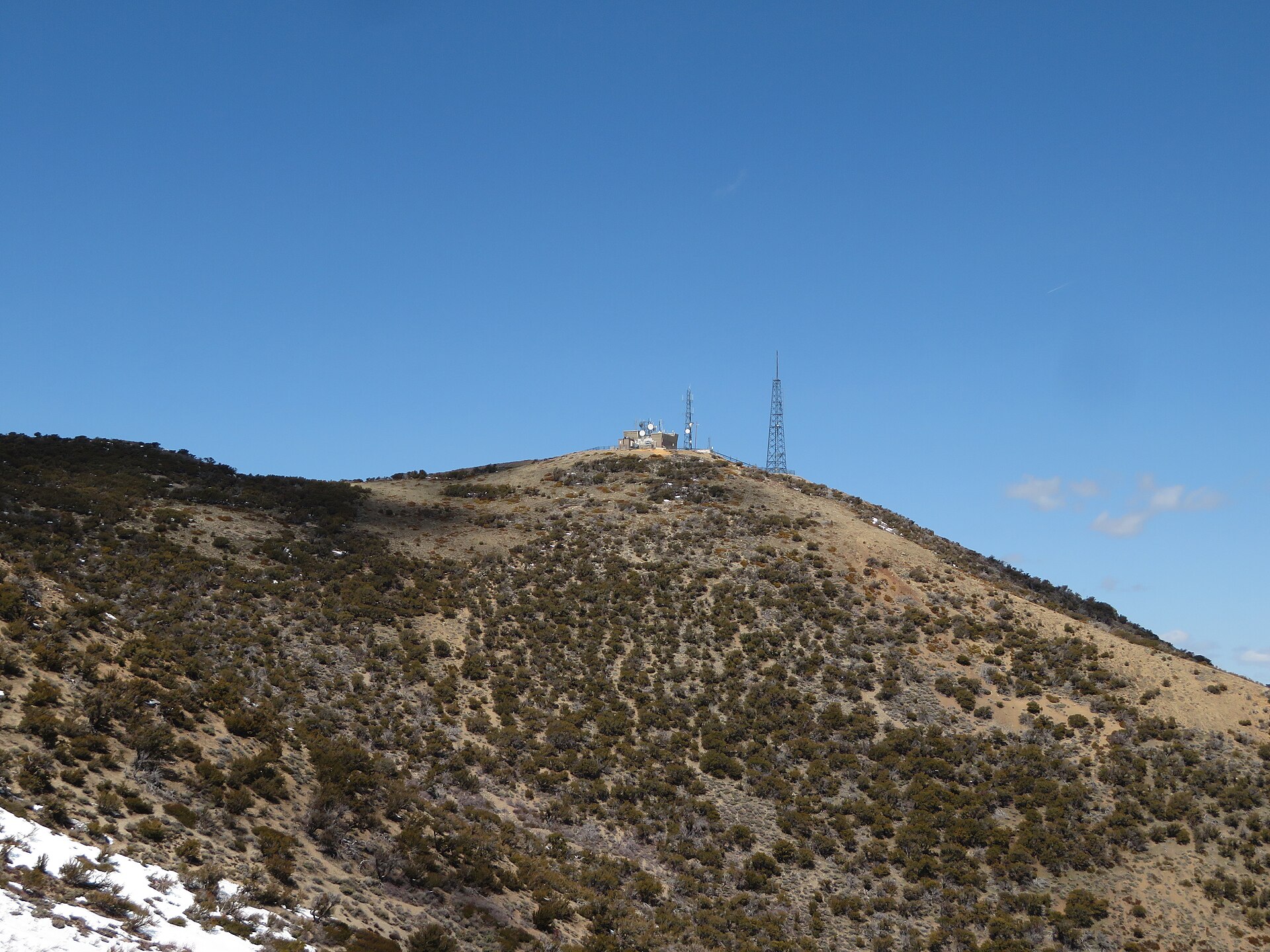
Progress on containment offers a measure of relief around Reno, but it does not mean the danger has passed. Thousands of residents remain affected by evacuation decisions, unstable fire conditions and damage assessments.
Firefighters have made progress holding the wildfire threatening communities around Reno, with the Hawk Fire reported at 27% containment. But thousands of people in the Reno area have been urged to flee or remain ready to leave as crews work around a fast-moving fire that has damaged homes, closed key routes and put neighborhoods near Peavine Peak at risk.
The containment update is meaningful, yet it is not an all-clear. For residents under evacuation orders or warnings, the immediate question is whether fire lines can hold through changing winds and dry fuels—and when officials determine it is safe to return.
Containment brings limited relief
CNN reported that the wildfire near Reno had reached 27% containment, signaling that firefighters had made progress establishing and strengthening lines around part of the blaze. Containment describes the share of a fire’s perimeter that crews believe they can keep from spreading under expected conditions.
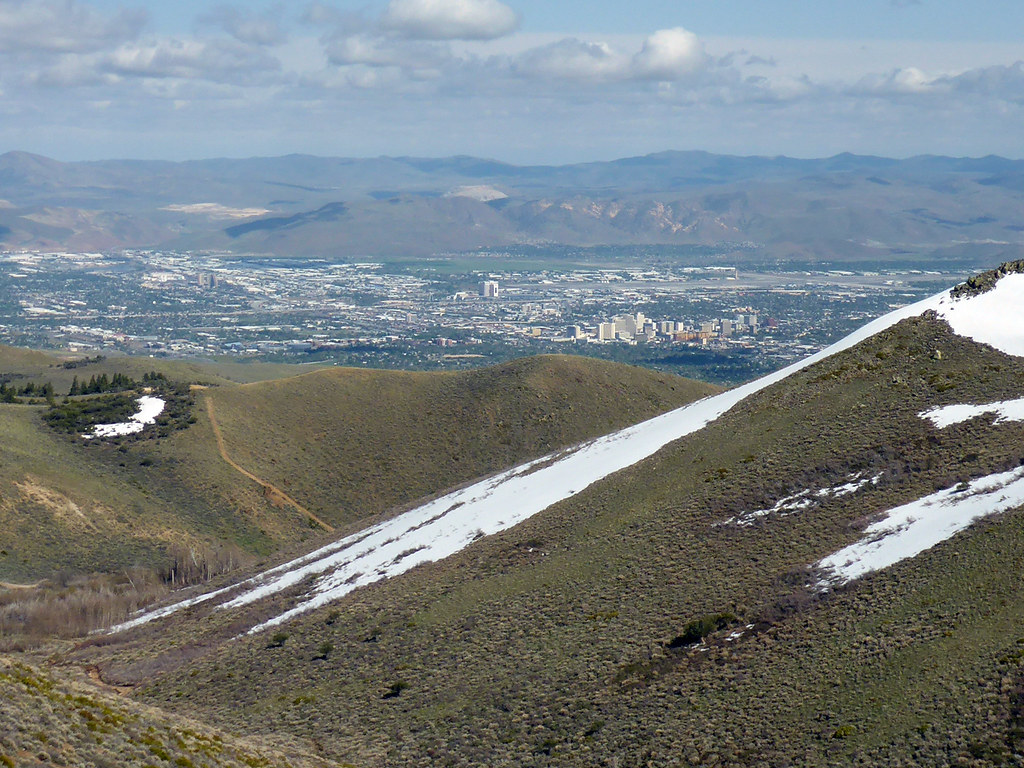
It does not mean the fire is out. Fire can remain active, flare up inside its perimeter or escape containment lines when wind, terrain or dry vegetation change the situation.
That distinction matters in the foothills around Reno, where homes and businesses sit close to brush-covered terrain. Firefighters can gain ground in one area while still confronting dangerous pockets elsewhere.
Evacuation zones remain the urgent issue
Earlier reporting from The Associated Press said roughly 42,000 residents had been ordered to evacuate as the Hawk Fire expanded, while another 45,000 people were in an adjacent evacuation warning zone. Officials urged residents to be ready to stay away for several days.
Those figures capture the scale of the disruption, but evacuation zones can change quickly. A warning means people should prepare to leave immediately if conditions deteriorate; an order means authorities believe the threat requires people to go.
Washoe County Sheriff Darin Balaam urged residents to leave when told to do so, saying, “Please get out if you can right now,” according to AP. The central safety message has remained straightforward: residents should rely on official local alerts, rather than assuming a familiar route or neighborhood is safe.
A fire that moved with speed
The Hawk Fire began Saturday and spread across the Peavine Peak area of the Humboldt–Toiyabe National Forest, near neighborhoods and commercial areas on Reno’s northwest side. AP reported that the fire grew beyond 23 square miles, or about 60 square kilometers, during its early spread.
Officials described extreme fire behavior as gusty conditions pushed flames through dry brush. That speed is one reason evacuation planning can be difficult: residents may have limited time to collect essentials, leave with pets and navigate road closures.
AP reported that the blaze had jumped over fire trucks in some areas, complicating crews’ access to hot spots. The fire was described as human-caused, though officials had not publicly explained whether they believed it was intentional or accidental.
Homes, roads and power affected
The human cost extends beyond the fire perimeter. AP reported that homes had been destroyed in northwest Reno, though officials had not provided a confirmed total. At least six people were reported injured, including three first responders and three civilians.
Power outages also disrupted the region. Nearly 10,000 Washoe County customers were without power on Sunday, AP reported, an improvement from about 60,000 the day before.
Parts of U.S. Route 395, a major north-south corridor, were closed because of the fire. Those closures can complicate evacuation routes, emergency access and travel across a metro area where Reno serves as a regional hub for northern Nevada.
Emergency support is expanding
Nevada Gov. Joe Lombardo declared an emergency in Washoe County and activated the Nevada National Guard. According to AP, two helicopter crews were assigned to help with aerial firefighting, while 60 Guard members were mobilized to assist police with security in evacuated neighborhoods.
Hundreds of fire personnel were also responding. The combination of ground crews, air support and law-enforcement assistance reflects the two-sided challenge: stopping the fire while protecting residents who cannot return home.
Washoe County opened the Reno-Sparks Convention Center for evacuees, while separate locations were designated for small and large animals. Reno casinos also offered discounted rooms to displaced residents, AP reported.
Why 27% containment is not closure
A containment increase can ease pressure on threatened neighborhoods, but it should not be read as a guarantee that evacuation orders will be lifted immediately. Fire managers must account for active hot spots, weather forecasts, damaged infrastructure and the safety of roads before allowing people back.
Residents returning too soon can create new hazards for themselves and emergency crews. Burned areas can have falling trees, unstable utility lines, ash, poor air quality and traffic congestion even after flames have moved away.
What remains unclear is the final number of homes lost, the full cost of the fire and when each evacuation area can reopen. The immediate story around Reno is one of real firefighting progress alongside continuing caution: the Hawk Fire is more contained than it was, but the emergency is still shaping daily life for thousands of people.
Leave a Reply