
The move is not just about fear. It shows how record federal borrowing is changing the way some investors think about safety, currency risk and stores of value.
U.S. debt has reached a new record, and investors are moving into Bitcoin and gold as anxiety builds over the United States’ fiscal path. The shift matters because rising U.S. government debt is driving demand for safe-haven assets and alternative stores of value at a moment when Washington must keep selling huge amounts of Treasury securities.
The headline is simple: record debt is making old and new hedges look more attractive. The harder question is whether this is a lasting loss of confidence in U.S. government finance or a familiar market response to uncertainty.
The debt record behind the trade
The U.S. Treasury’s Fiscal Data site tracks the national debt through its “Debt to the Penny” dataset, which reports Total Public Debt Outstanding. Treasury defines that figure as the sum of debt held by the public and intragovernmental holdings.
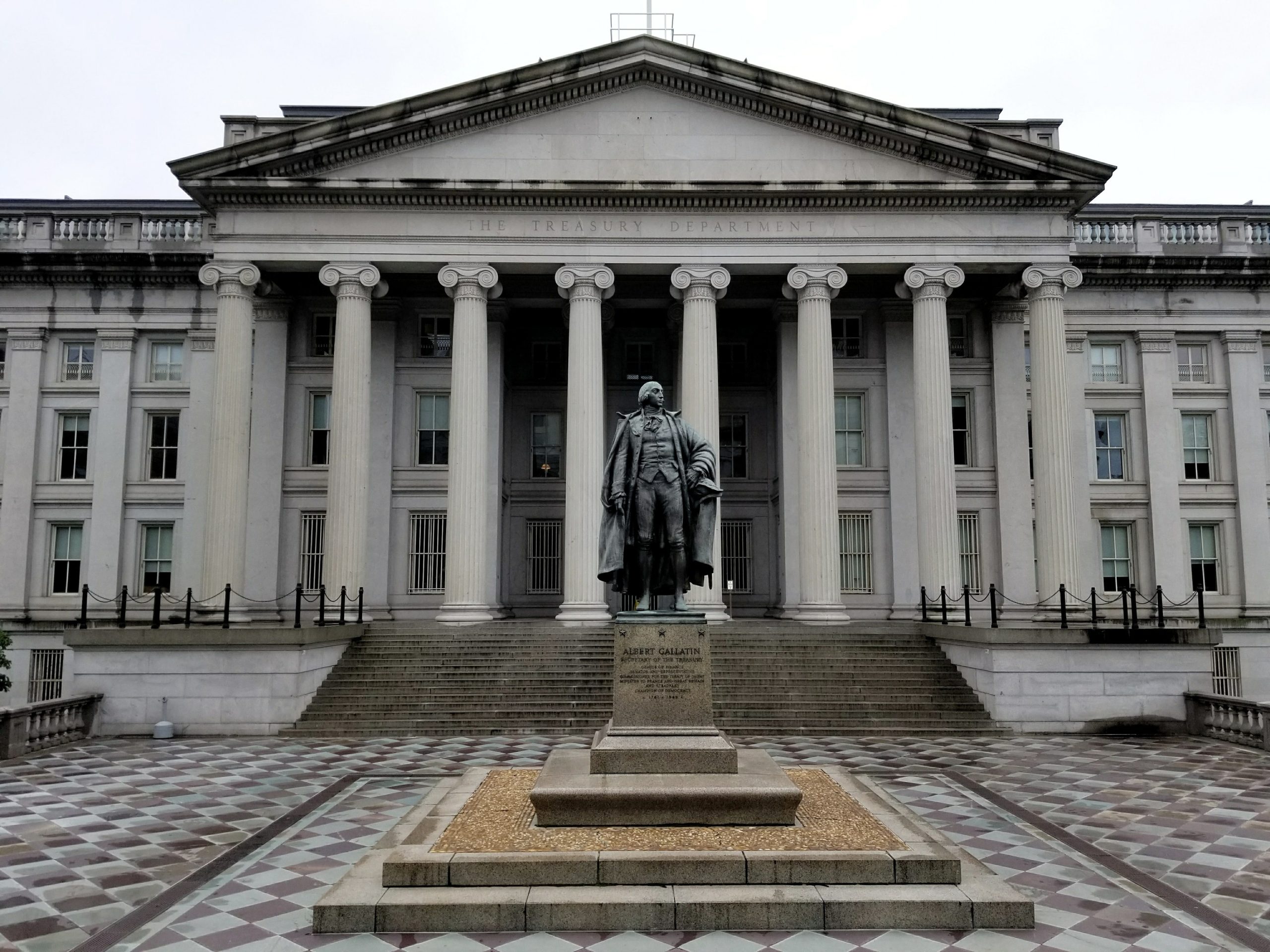
That distinction matters. Debt held by the public includes Treasury securities owned by investors, pension funds, foreign governments, mutual funds and the Federal Reserve. Intragovernmental holdings include debt held by federal accounts such as trust funds.
When people say U.S. debt hit a record, they are usually referring to the total outstanding public debt number. Treasury also warns that different federal datasets can calculate or present debt slightly differently, including how certain Federal Financing Bank obligations are treated.
The broad direction, though, is not in dispute: the federal debt load has kept climbing. Bigger deficits mean the government needs to issue more debt, and that forces investors to think harder about inflation, interest rates, currency strength and the long-term value of the dollar.
Why gold looks familiar
Gold’s role in this story is easy to understand. It does not pay interest, but it also is not anyone’s liability. For generations, investors have turned to gold when they worry about inflation, currency debasement, geopolitical stress or excessive government borrowing.
That does not mean gold rises every time the debt rises. In practice, gold reacts to a mix of real interest rates, dollar strength, central bank buying, investor sentiment and inflation expectations. A strong dollar or higher real yields can pressure gold even when fiscal concerns are elevated.
Still, record U.S. debt gives gold a simple narrative advantage. If investors believe Washington will struggle to restrain deficits, some will want an asset outside the government bond system. Gold fits that role more cleanly than almost anything else.
Why Bitcoin is in the conversation
Bitcoin is the newer and more controversial part of the haven trade. Its supporters argue that Bitcoin’s fixed supply makes it a hedge against monetary expansion and fiscal excess. In that view, rising U.S. government debt strengthens the case for an asset that cannot be issued by Congress, the Treasury or the Federal Reserve.
The arrival of regulated spot Bitcoin investment products has also made it easier for some investors to treat Bitcoin as a portfolio asset rather than a fringe bet. That has helped connect Bitcoin more directly to macro themes such as inflation risk, dollar weakness and distrust of traditional finance.
But Bitcoin is not gold with a different logo. It remains far more volatile, trades like a risk asset during some market shocks and can fall sharply when liquidity tightens. Investors who buy Bitcoin as a “safe haven” may find that it behaves less like a bunker and more like a high-beta expression of the same fears.
That tension is why the phrase “fleeing to Bitcoin and gold” needs some care. Gold has a long record as a defensive asset. Bitcoin is still proving whether it can hold that role across full market cycles.
The case against panic
Record debt sounds alarming, but it does not automatically mean a crisis is near. The United States still borrows in its own currency, has the world’s deepest Treasury market and remains central to global finance. U.S. government bonds are still widely used as collateral, reserves and benchmarks for pricing other assets.
That is the strongest counterargument to the panic trade. Even with record debt, global investors often buy Treasuries during moments of stress because the market is large, liquid and backed by the federal government’s taxing authority.
There is also a difference between high debt and unmanageable debt. What investors watch most closely is the cost of carrying that debt, the size of future deficits and whether economic growth can keep pace with borrowing needs.
If growth remains strong and inflation cools, debt concerns may fade into the background. If interest costs keep rising and deficits remain large, the pressure on confidence could build.
What markets are really pricing
The rotation toward Bitcoin and gold is not just a vote against Washington. It is also a vote for diversification. Investors are trying to avoid being overly dependent on one government, one currency or one central bank policy path.
That mindset has become more visible as fiscal debates in the United States have grown more intense. Debt-ceiling fights, shutdown threats and partisan budget standoffs can make long-term debt concerns feel more immediate, even when the market impact is temporary.
For professional investors, the issue is not whether the U.S. government will suddenly stop functioning. The issue is whether persistent borrowing will eventually mean higher inflation, higher interest rates, a weaker dollar or lower real returns from traditional bonds.
Gold and Bitcoin answer that question in different ways. Gold says: hold something timeless and scarce. Bitcoin says: hold something digital, scarce and outside the state. Treasuries say: do not underestimate the resilience of the existing system.
What remains unclear
The biggest unknown is whether the move into Bitcoin and gold is tactical or structural. A tactical trade can reverse quickly if inflation data improves, bond yields stabilize or the dollar strengthens. A structural shift would suggest investors are permanently assigning more value to assets outside the Treasury-and-dollar system.
Another uncertainty is how policymakers respond. Smaller deficits, stronger growth or lower borrowing costs could calm the market. Larger deficits and higher interest expenses could do the opposite.
For everyday investors, the clean takeaway is not that Bitcoin or gold is automatically safer than U.S. bonds. It is that record U.S. debt has made the definition of “safe” more contested.
Gold, Bitcoin and Treasuries now sit in the same debate: how to protect purchasing power when the government’s debt burden keeps setting records. The answer depends less on one headline than on inflation, interest rates, policy credibility and how much risk investors can actually tolerate.
Leave a Reply