A permanent shift to daylight saving time would not create more winter sunlight; it would move an hour of it from the morning to the evening. The practical effects would vary sharply by location and daily schedule.
Permanent daylight saving time would move winter sunrise and sunset times about an hour later on the clock. Winter sunsets would generally come later, with much of the nation seeing sunsets after 5 p.m. near the winter solstice. Winter sunrises would also come later.
That is the central trade-off of year-round daylight saving time: more evening light after work or school, but darker commutes and mornings. It would change the clock, not the short length of winter days.
Later sunsets come with a catch
The appeal is clear in places where darkness falls in the late afternoon. Under permanent daylight saving time, a 4:30 p.m. winter sunset would become a 5:30 p.m. sunset. The amount of daylight would be the same, but many people would find that timing more useful.
The Washington Post, using sunrise and sunset calculations from timeanddate.com, reported that most of the country would have sunset after 5 p.m. around December’s winter solstice if daylight saving time remained in effect year-round.
For people exercising, running errands, picking up children or leaving work before dark, the later sunset is the policy’s main appeal. It also helps explain why the proposal resurfaces whenever Americans reset their clocks.
Sunrise would move later too
The same one-hour shift that extends evening light makes mornings darker. A 7:20 a.m. sunrise becomes 8:20 a.m.; an 8:15 a.m. sunrise becomes 9:15 a.m. The sun’s path does not change. The clock does.
That point can get lost in debates over whether sunsets would remain before 5 p.m. In much of the country, they would not. But the darker side of the trade-off would arrive as students head to school, outdoor workers begin shifts and commuters are already on the road.
Washington, D.C., offers a clear example from the Post’s analysis: its earliest winter sunset would shift from 4:45 p.m. to 5:45 p.m., while its latest sunrise would move from 7:27 a.m. to 8:27 a.m.
Where the clock shift hits hardest
Geography matters as much as personal preference. Communities on the eastern edge of a time zone tend to see the sun earlier than places on the western edge. A permanent move to daylight saving time may be manageable in some eastern-edge cities while proving more disruptive farther west.
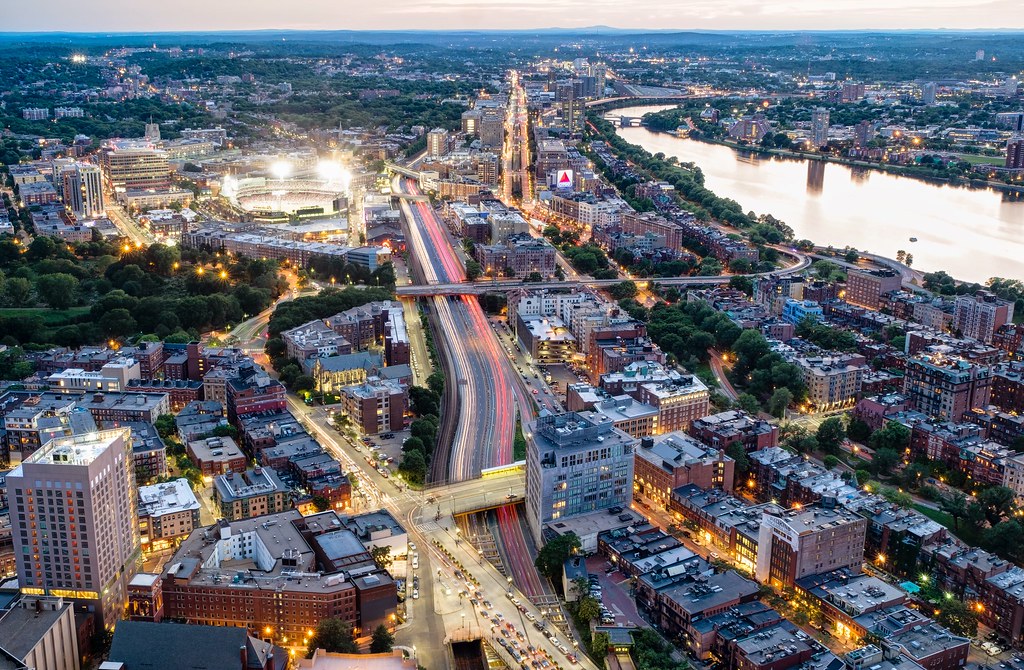
The Post noted that Boston’s earliest sunset could move from 4:11 p.m. to 5:11 p.m. under year-round daylight saving time. That is a significant change in a city where winter afternoons can seem to end abruptly.
But western parts of time zones would face a steeper morning penalty. In Indianapolis, the analysis found that the latest winter sunrise could occur after 9 a.m. Under the same scenario, Bismarck, North Dakota, could approach a 9:30 a.m. December sunrise.
Those examples show why a national policy would have uneven effects. “More evening daylight” has broad appeal; a sunrise after the school day begins presents a more difficult trade-off.
Winter itself would stay short
Permanent daylight saving time cannot lengthen a December day. The winter solstice would still be the point of the year with the least daylight in the Northern Hemisphere, and northern locations would still have especially short days.
What would change is how that limited light is distributed. Standard time puts more of it in the morning. Daylight saving time puts more of it in the evening.
The debate is therefore less about getting more sunshine than deciding when it is most useful. A retail worker finishing at 5 p.m. may value a later sunset. A parent at a dark school-bus stop may place greater weight on earlier morning light.
The push to stop clock changes
The United States currently switches between daylight saving time and standard time, with most states moving clocks forward in spring and back in fall. Arizona and Hawaii are the notable exceptions to the usual daylight saving schedule.
In March 2022, the Senate unanimously passed the Sunshine Protection Act, which proposed making daylight saving time permanent. As described in the Washington Post’s reporting, the measure then stalled in the House and would have required House passage and a president’s signature to become law.
The proposal drew support from people tired of changing clocks twice a year, but very late winter sunrises have remained a major objection. The debate also includes a third option: permanent standard time, which would preserve earlier winter sunrises but give up the later summer-evening clock setting many Americans favor.
The real choice is daylight timing
No clock policy gives every place both bright winter mornings and bright winter evenings. Winter daylight is fixed; lawmakers can only decide how it is labeled and scheduled.
Permanent daylight saving time would likely eliminate many sunsets in the 4 p.m. hour, especially across much of the country. The cost would be later winter dawns, in some areas late enough to affect school mornings, commutes and early work shifts.
The question is larger than ending clock changes. It is a choice between concentrating winter daylight before the day begins or after much of it is over.
Leave a Reply