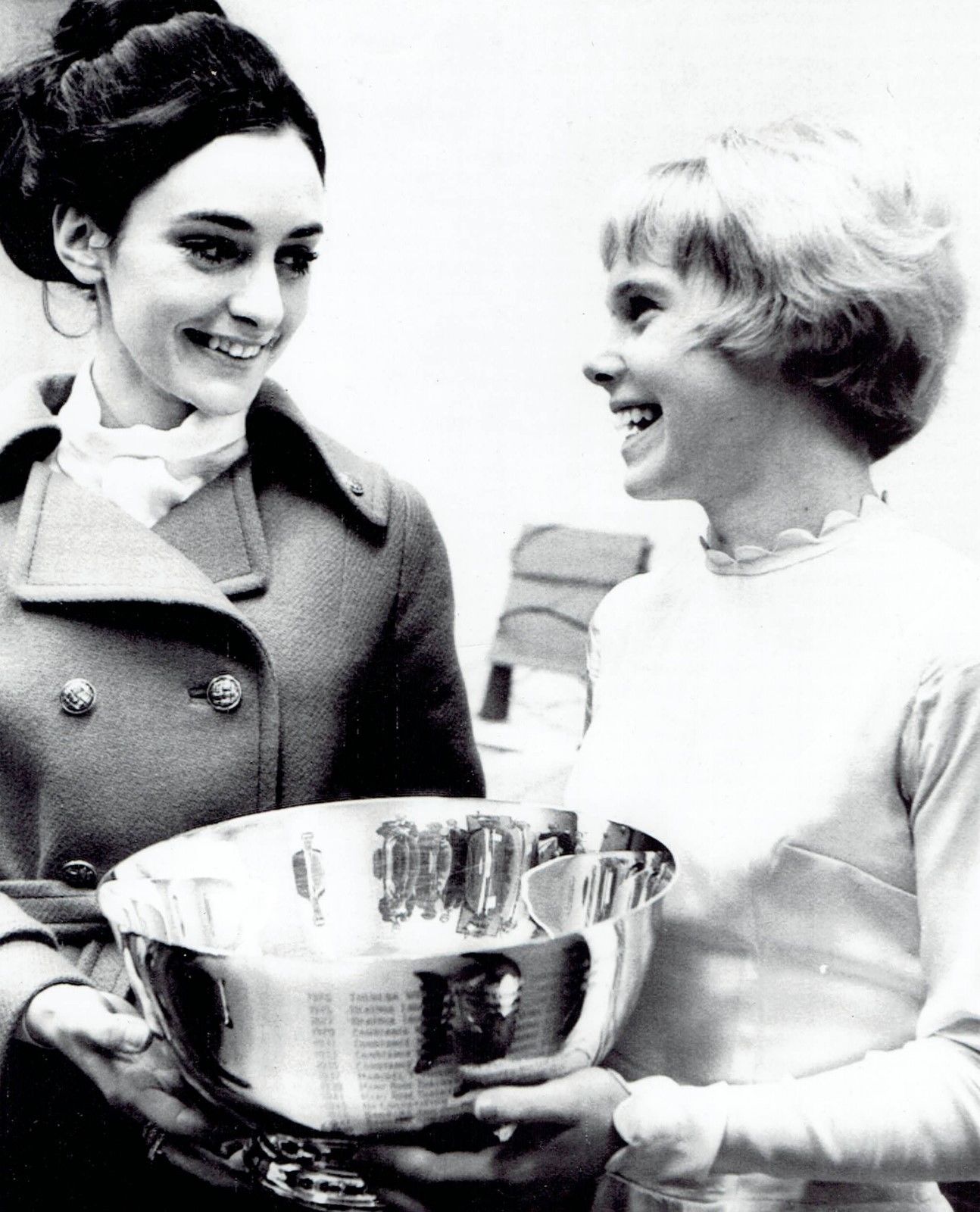
The disaster wiped out a generation of elite American skaters, coaches and mentors. Fleming’s Olympic gold seven years later became more than a medal — it became proof the sport could recover.
A 1961 plane crash killed the entire U.S. figure skating team. Peggy Fleming carried the nation’s hopes after the tragedy, becoming the face of a sport trying to rebuild from an almost unimaginable loss.
On Feb. 15, 1961, a plane carrying the American team to the world championships crashed near Brussels, Belgium. The disaster mattered far beyond one competition: it erased top skaters, coaches, officials and family members in a single day, leaving U.S. figure skating to rebuild its talent pipeline and its sense of future.
The crash that emptied a roster
The team was traveling to Prague for the world championships when Sabena Flight 548 went down on approach to Brussels. NPR, revisiting the tragedy in 2025, reported that 18 U.S. figure skaters died, along with coaches, family members and officials.
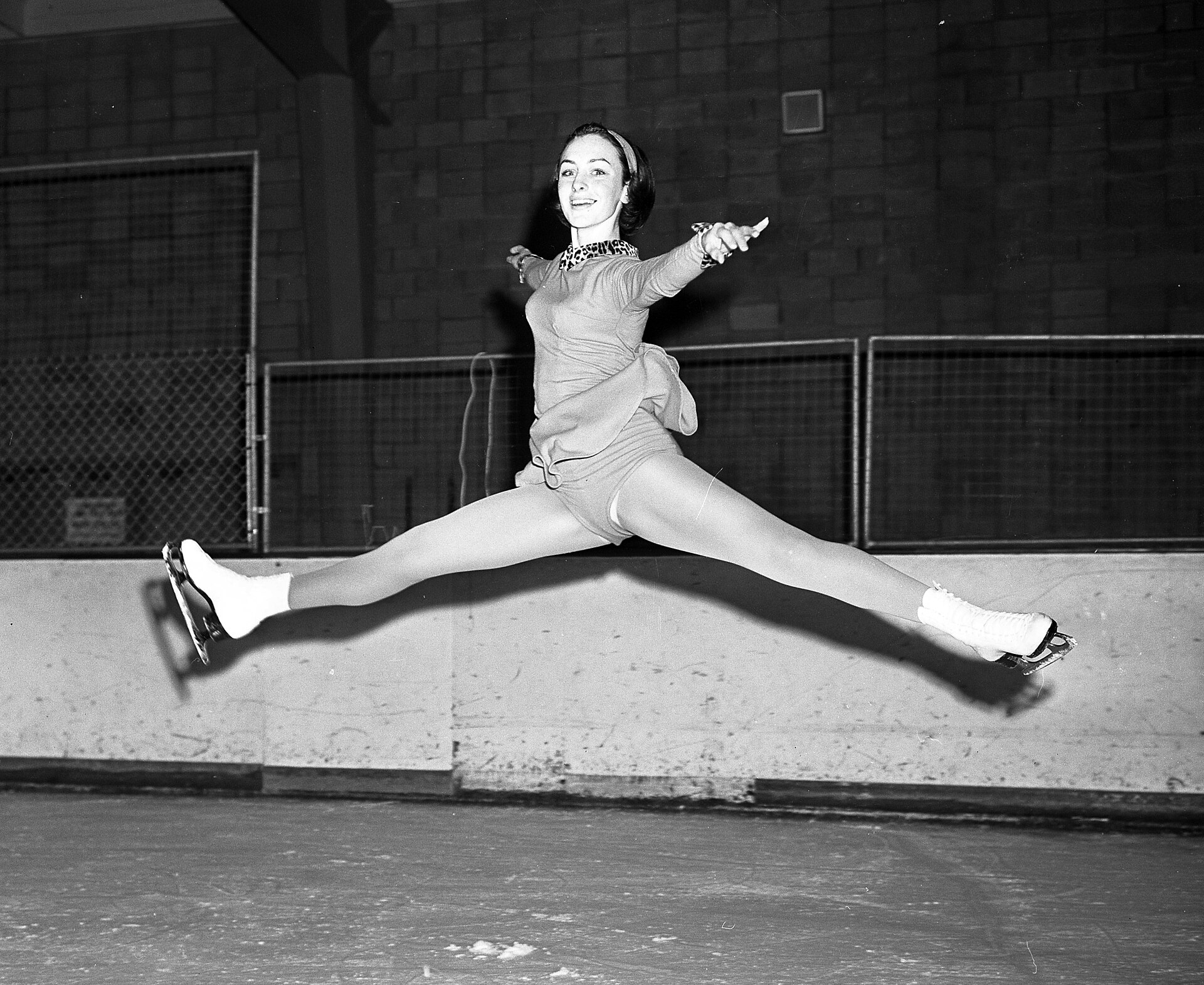
The crash killed every member of the U.S. world team aboard. The International Skating Union canceled the 1961 World Figure Skating Championships, a rare acknowledgment that the loss had gone beyond sport and into national mourning.
The names included some of the most promising and accomplished figures in American skating: Laurence Owen, Bradley Lord, Gregory Kelley, Maribel Owen and pair skater Dudley Richards among them. For many young skaters, these were not distant stars. They were training partners, club friends and role models.
That closeness made the damage harder to measure. A sport can replace a schedule. It cannot quickly replace the people who teach its habits, pass down its standards and give younger athletes a living example of what excellence looks like.
Why skating felt the blow for years
U.S. figure skating did not just lose competitors. It lost coaches at the top of the sport, including people responsible for developing the next wave.
In NPR’s account, Fleming later recalled that the crash took away “all the talent” and “all of the role models” younger skaters had looked up to. Her own coach at the time, William Kipp, was among those who died.
That is why the phrase “rebuilding” can sound too tidy. The sport was not starting a new season after a bad year. It was trying to function after losing a concentrated share of its expertise, leadership and emotional center.
U.S. Figure Skating later established a memorial fund in response to the disaster, a practical step with symbolic weight. The idea was not only to honor those who died but to support future skaters — to make sure the interrupted line of development did not end there.
Fleming became the visible comeback
Peggy Fleming was 12 when the crash happened. She was not yet the Olympic champion Americans would come to know, but she was already close enough to the sport’s inner circle to feel the loss directly.
Her rise over the next several years gave U.S. skating a focal point. By the mid-1960s, Fleming was winning national and world titles. In 1968, at the Winter Olympics in Grenoble, France, she won gold.
That medal carried unusual emotional force. It arrived seven years after the crash and stood as a public answer to a private fear: could American figure skating come back?
Olympic records and U.S. skating histories have long treated Fleming’s Grenoble victory as a landmark. It was also the United States’ only gold medal at those Winter Games, giving her performance an even larger place in the national sports memory.
The burden behind the symbol
Calling Fleming a symbol of hope is accurate, but it can flatten the story if it turns her into a simple emblem of resilience. She was a teenager carrying her own grief, training in a sport where the absence of familiar adults and models was constantly visible.
That tension is part of what makes the story endure. Fleming’s success did not erase the crash. It gave people a way to believe in the future while still living with what had been lost.
There is also a fair debate in how sports culture tells stories like this. The comeback narrative is powerful because it offers shape and meaning. But it can also rush past the long afterlife of trauma, especially for families, clubs and teammates who did not experience the tragedy as a prelude to triumph.
Fleming herself has described the shock as something that pulled “the rug out from underneath everyone,” according to archived remarks aired by NPR. That image is more useful than a neat slogan. The sport first had to find the floor again.
Boston’s lasting place in the memory
The Skating Club of Boston has remained deeply tied to the 1961 tragedy. Several skaters associated with the club were among those lost, and the club’s history has preserved the faces and names behind the broader national headline.
In NPR’s 2025 report, Paul George, who trained alongside members of the team, described the crash as “stunning” and remembered losing people he had grown up around. His recollection helps explain why the event still lives as personal history inside skating, not just as archival sports tragedy.
That matters because figure skating is often seen through Olympic broadcasts: bright costumes, four-minute programs, medals decided by fractions. The 1961 crash exposed the smaller world beneath that spectacle — clubs, coaches, families, shared rinks and friendships built over years.
When one plane went down, it was not only a national team that disappeared. Whole local skating communities were altered.
What the legacy still asks
The 1961 crash is often remembered through two facts: the team died, and Peggy Fleming later won Olympic gold. Both are true. Neither is enough by itself.
The fuller story is about continuity under strain. U.S. figure skating had to recruit, teach, fund and emotionally steady a generation of skaters after losing many of the people best equipped to do that work.
Fleming’s triumph gave the country a clear image of recovery, but the recovery belonged to many people: surviving coaches, parents, clubs, officials, donors and young athletes who kept showing up at the rink even after the sport’s future felt broken.
That is why the story still resonates. It is not just a memory of catastrophe or a celebration of one champion. It is a reminder that sports institutions are human networks — and that when those networks are shattered, rebuilding takes far longer than a single winning performance, even one as luminous as Fleming’s.
Leave a Reply