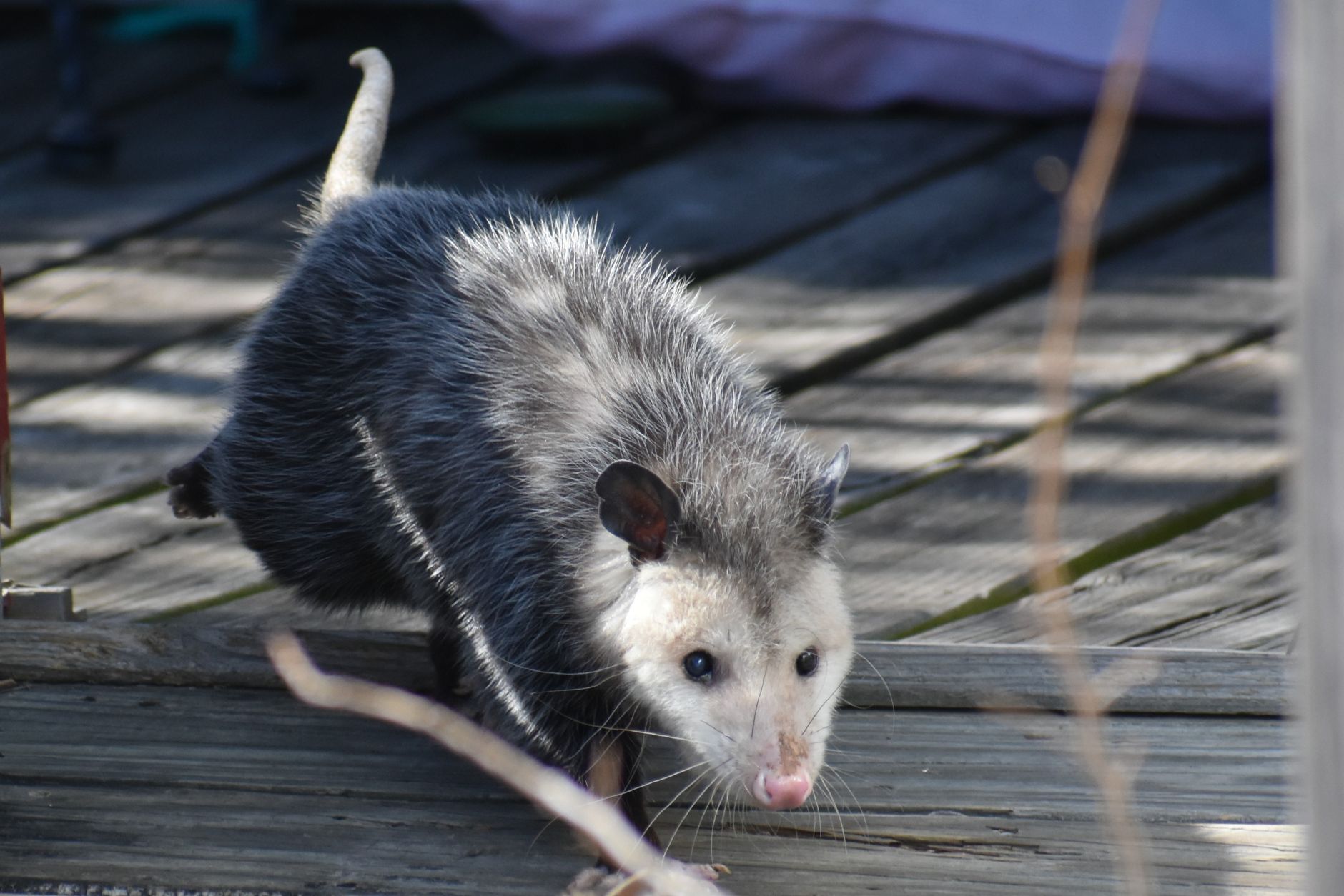
A nighttime opossum sighting may be less of a nuisance than it first appears. Wildlife guidance points to the animal’s appetite for several common garden and household pests, along with a few sensible boundaries for sharing space.
An opossum appearing in a residential yard can be good news for homeowners and their gardens. Wildlife guidance says opossums provide ecological benefits by eating unwanted pests around homes and gardens, including slugs, snails, insects and, at times, small rodents.
That does not mean every close encounter should be ignored. An opossum belongs at a distance, and a repeat visitor may point to easy food or a sheltered spot near the house. But a single animal moving through after dark is often doing exactly what a wild neighbor does: looking for a meal and avoiding trouble.
Not a rodent, but a marsupial
Opossums are frequently mistaken for oversized rats, a misconception that can make a yard sighting feel more alarming than it is. They are marsupials—pouched mammals—and are North America’s only marsupial.
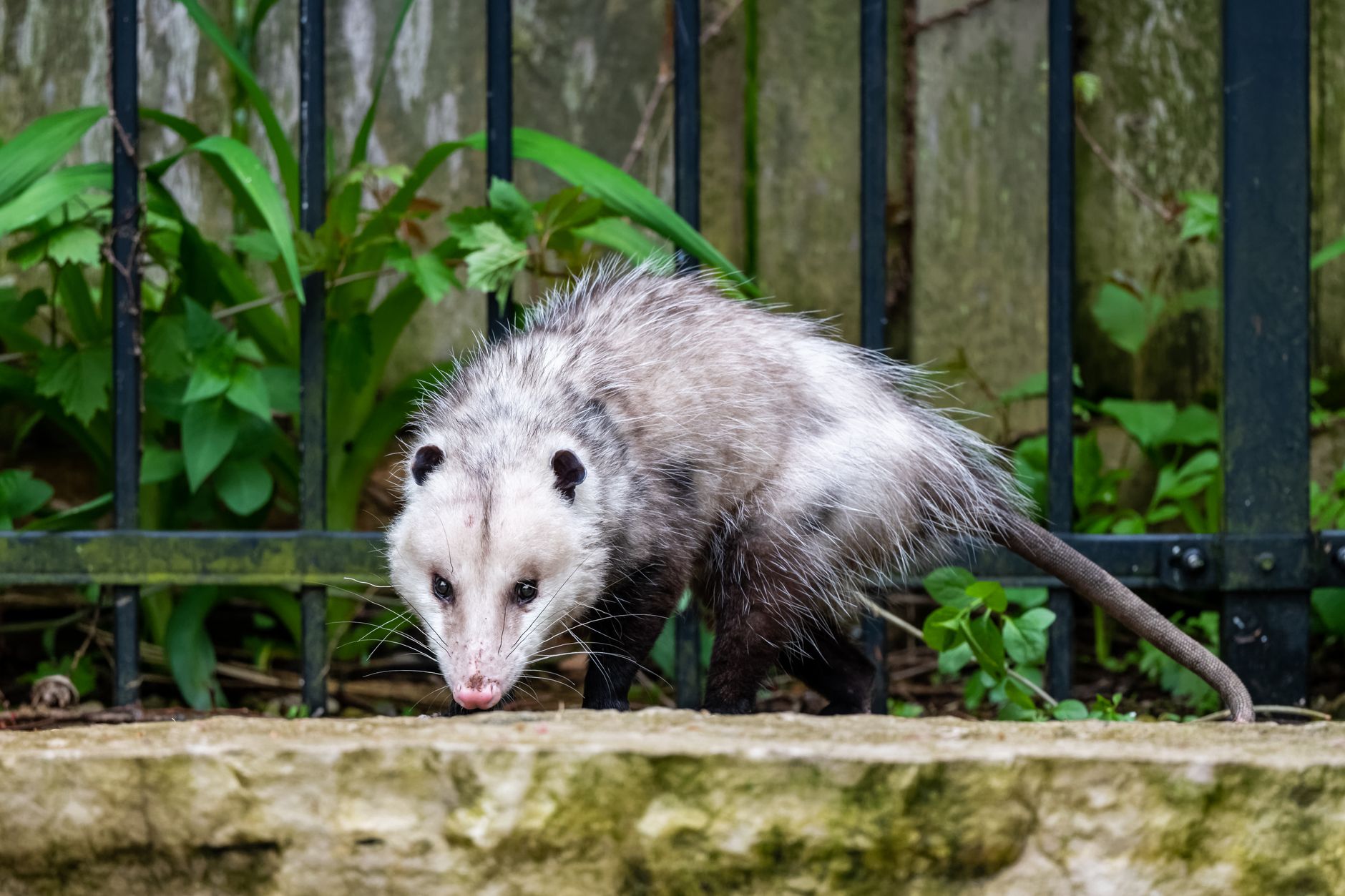
They are also highly adaptable. As development replaces or fragments habitat, opossums commonly make their way through suburban and urban neighborhoods, using brush, sheds, decks and other sheltered areas as temporary cover.
Seeing one at night is therefore not, by itself, evidence that a property is dirty or infested. Opossums are opportunistic foragers. A yard can be part of their route without becoming their permanent home.
A pest eater with limits
The clearest upside is diet. The City of Galveston says opossums eat unwanted pests around homes and gardens, naming snails, slugs, spiders, cockroaches, rats, mice and snakes among the animals they may consume. Long Beach Animal Care Services similarly notes that opossums can eat snails, slugs, insects and sometimes small rodents.
For gardeners, snails and slugs are the especially tangible benefit. They can damage tender leaves, seedlings and ripening produce. An opossum’s presence is not a substitute for protecting a vegetable bed, but it can be one small part of a backyard food web that keeps some nuisance populations in check.
- Garden visitors: Snails, slugs and many insects are part of an opossum’s varied diet.
- Cleanup crew: Opossums may eat fallen fruit and spilled garbage, which also explains why they return to some properties.
- Not a targeted service: A wild animal does not reliably remove every pest, and its diet changes with what is available.
That last point matters because online claims about wildlife often turn a useful animal into a miracle worker. Opossums may consume some pests, but homeowners should be wary of assuming that one opossum will solve a specific infestation.
Why they look more threatening than they are
Opossums can bare their teeth, hiss, drool or collapse into the famous “playing possum” posture when frightened. Those displays can be startling, particularly when a dog encounters one on a nighttime walk. They are generally defensive behaviors, not signs that the animal is looking for a fight.
Galveston’s wildlife guidance describes opossums as generally docile and non-aggressive, while stressing that any animal may defend itself if threatened. That is the practical distinction: give an opossum room to leave, and do not try to corner, catch or handle it.
Pets should be supervised outdoors at night, not because an opossum is ordinarily hunting them, but because a dog may injure wildlife or trigger a defensive bite. Keeping a dog inside after dark can protect both animals and reduce barking that disturbs neighbors.
Make the yard less inviting
Coexisting with a passing opossum is different from encouraging a repeat visitor near doors, crawlspaces or a garage. If the animal returns often, the first step is to remove the things that reward the trip.
Galveston recommends picking up fallen fruit, not leaving pet food outside overnight, clearing dense hiding places such as woodpiles and checking potential access points around a home. Doors and garages should be closed at night, and gaps near vents, subfloors, walls and attics should be secured.
The goal is not to punish the animal. It is to avoid turning the property into a dependable food source or den site. Removing attractants is usually more durable—and more humane—than reacting to each sighting.
When a sighting needs attention
A healthy opossum moving through a yard at night usually needs no intervention. The safest response is to watch from indoors or leave it alone until it continues on its way.
There are exceptions. An animal that appears injured, is trapped, is found in an unsafe area, or is an orphaned youngster may need professional help. Galveston advises contacting a local wildlife rehabilitator, veterinarian or animal shelter when an opossum is injured or orphaned.
Daytime activity alone can be confusing, but it is not enough to diagnose illness. Opossums are mainly nocturnal, yet they can sometimes be seen during the day. Visible injury, inability to move normally, or unusual distress is a stronger reason to call local animal-control or wildlife-rehabilitation professionals rather than attempting a rescue yourself.
The useful middle ground
The impulse to remove every wild animal from a residential yard is understandable, especially when an animal looks unfamiliar or prompts a pet to bark. The competing concern is that indiscriminate removal can erase a modest ecological benefit from a landscape already shaped heavily by people.
A sensible middle ground is simple: do not feed or touch an opossum, protect access to the house, keep pets under control and let a healthy animal pass through. If it is only visiting, an opossum may be doing more for a garden than against it.
That is why an opossum sighting can be good news—not because the animal is risk-free or because it belongs indoors, but because a calm, practical response makes room for a useful native neighbor without giving it a reason to move in.
Leave a Reply