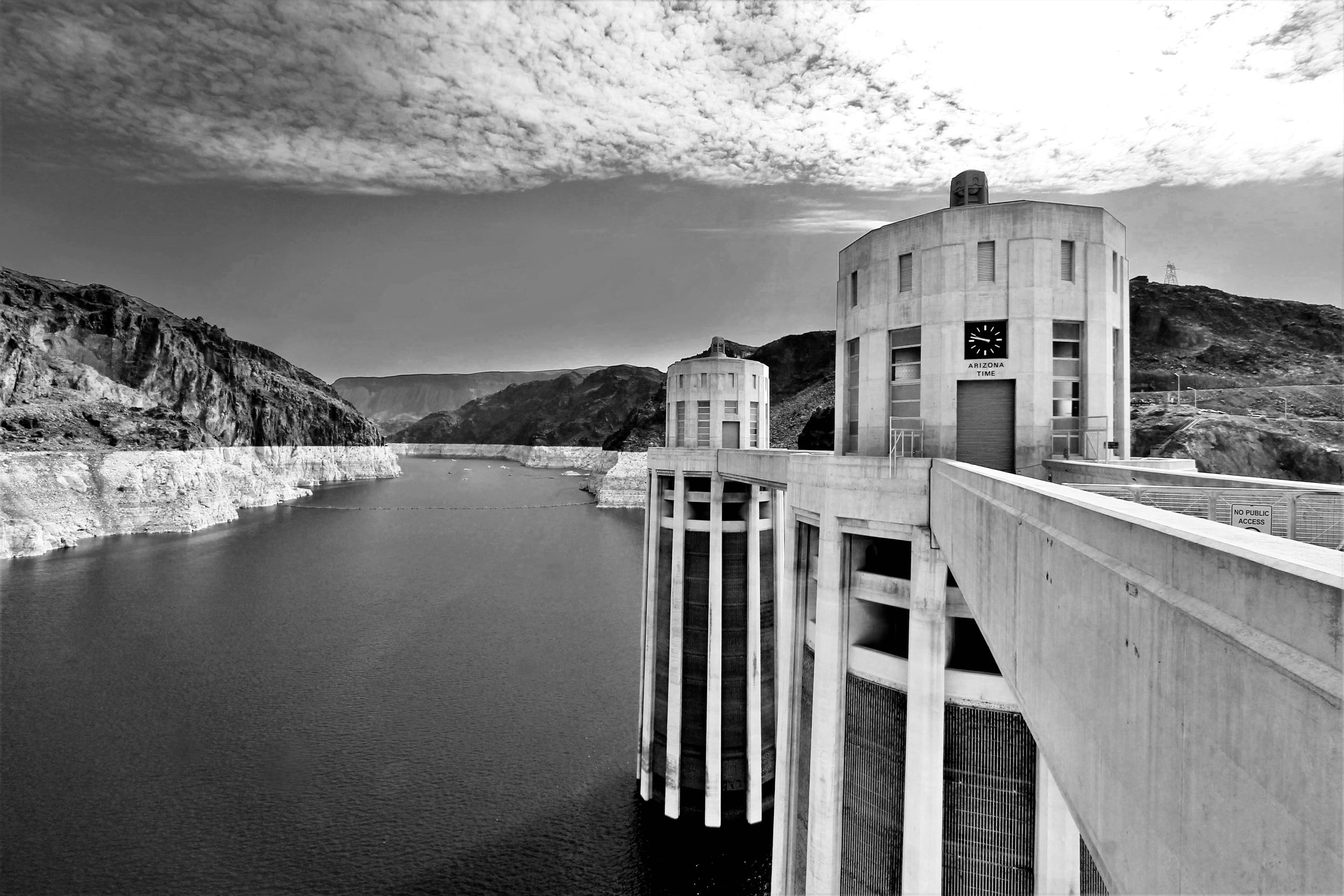
Hoover Dam still generates electricity, but lower water levels mean it cannot produce as much as it can under fuller-reservoir conditions. The bigger concern is how shrinking margins at Lake Mead and upstream Lake Powell could turn a water-management crisis into a long-running power challenge.
Hoover Dam is producing less hydroelectric power as Lake Mead falls and the Colorado River crisis deepens, putting a major electricity source for the American Southwest under pressure. The dam has 2,074 megawatts of installed generating capacity and has historically produced roughly 4 billion kilowatt-hours annually—power associated with about 1.3 million people—but lower water levels reduce the force available to turn its turbines.
The immediate concern is not that Hoover Dam has stopped working. It is that a system built around massive reservoirs is losing its buffer, threatening regional electricity supplies while cities, farms and water agencies are already competing for a smaller Colorado River.
Why lower water means less power
Hydropower depends on more than water simply moving through a dam. It depends on elevation: the vertical distance water falls before reaching turbines. Engineers call that pressure-producing drop hydraulic head.
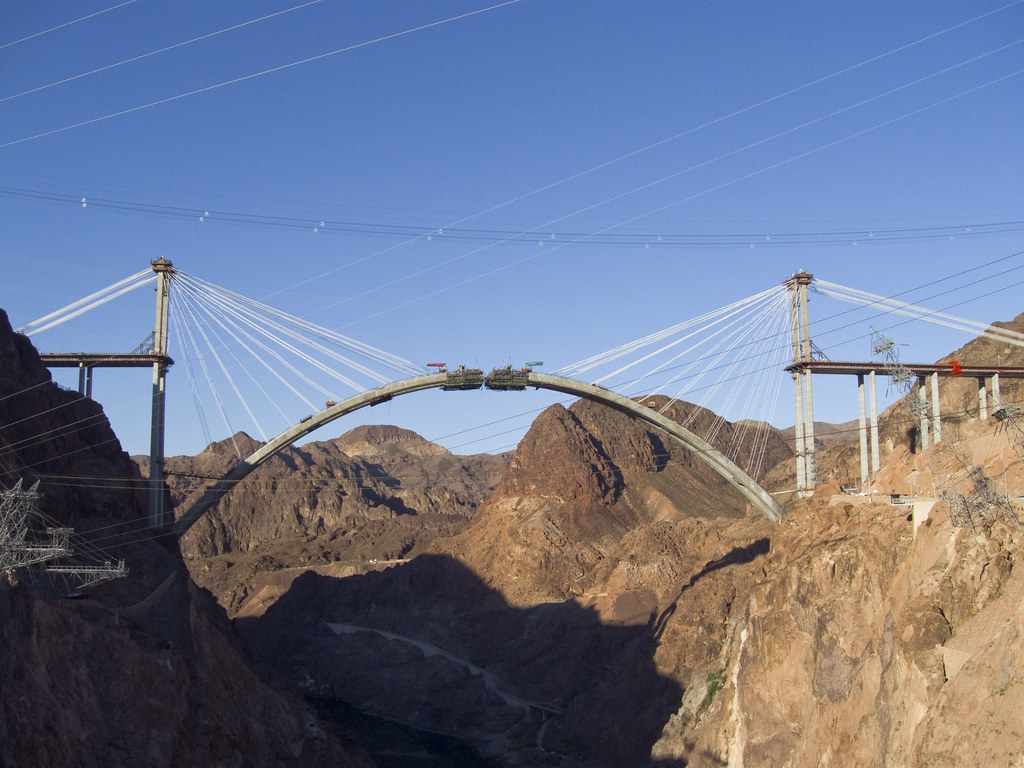
When Lake Mead is higher, water entering Hoover Dam’s intake structures carries more energy. As the reservoir declines, that drop shrinks. The turbines can still operate if enough water reaches them, but each unit of water produces less electricity than it would at higher elevations.
That is the central distinction in the current debate. Hoover Dam is not facing an instant, all-or-nothing shutdown. Its declining output reflects a gradual loss of generating efficiency as Lake Mead’s level remains far below the reservoir’s historic highs.
Popular Mechanics reported that Hoover’s hydropower output could fall by 40% of maximum capacity this year as the basin faces weak snowpack and extreme heat. That is a forecasted production constraint, not a claim that the dam’s entire 2,074-megawatt fleet has permanently disappeared.
Lake Mead is only one link
Hoover Dam sits near the downstream end of an interconnected water system. Lake Mead, impounded by Hoover on the Colorado River, receives water released from Lake Powell behind Glen Canyon Dam upstream.
That connection is why the problem cannot be solved by looking at one reservoir in isolation. Water held at Lake Powell can help protect Lake Mead, but every operational choice carries tradeoffs for power generation, water delivery, environmental management and future storage.
The U.S. Bureau of Reclamation manages both reservoirs as part of a broader Colorado River system that serves seven U.S. states, tribal nations, Mexico, major agricultural regions and fast-growing cities. The river system has long been asked to provide more reliable water than recent runoff conditions can comfortably support.
Since 2000, persistent drought conditions and hotter temperatures have cut into runoff and increased evaporation. The result is a difficult arithmetic problem: reservoirs can temporarily soften dry years, but they cannot create water that does not arrive.
The danger is shrinking flexibility
Experts often focus on Lake Powell’s “minimum power pool” because it illustrates how reservoir elevation can limit what a dam can do. At an elevation of 3,490 feet, water can no longer be routed through Glen Canyon Dam’s power-producing penstocks.
Below that point, water could still be released through lower river outlets, but without generating electricity. At still lower elevations, even those outlets become unusable under gravity flow. The dam does not vanish, but its designed operating options become much narrower.
Popular Mechanics cited Colorado River expert John Berggren, of Western Resource Advocates, describing the larger situation as the “slowest-moving train wreck in history.” The phrase captures why this story has been easy to overlook: the decline unfolds in measurements, forecasts and negotiated water cuts rather than in a single dramatic failure.
Yet the gradual nature of the threat is exactly what makes it consequential. Each foot of reservoir decline can affect turbine performance, water-release planning and the amount of emergency room available when an unusually dry year arrives.
Power losses have a wider impact
Hoover Dam’s electricity is delivered to customers and public agencies in Nevada, Arizona and California. Hydropower has particular value because it can be adjusted quickly, helping balance a grid when demand changes or when variable wind and solar production shifts.
That does not mean a decline at Hoover automatically produces blackouts. The Southwest has a much larger and increasingly diverse electricity system, including natural gas, solar, wind, nuclear generation, transmission imports and battery storage.
Still, replacing lost hydropower is not always simple. Other resources can provide electricity, but they may have different fuel costs, emissions profiles, operating limits and response times. Less Hoover generation can mean utilities and power customers need more help from elsewhere during critical periods.
There is also a financial dimension. Hydropower revenues help support dam operations and related programs, while lower output can alter the economics for the public power entities that receive Hoover electricity.
Water policy is the real pressure point
The Colorado River crisis is ultimately a water-supply problem before it is a power problem. Hydropower is one visible measure of reservoir stress, but municipal deliveries, irrigation, tribal water rights, ecosystem needs and cross-border commitments all depend on the same constrained system.
Federal officials, basin states and water users have already relied on conservation programs and mandatory reductions to protect reservoir levels. Those actions can reduce immediate risk, but they do not settle the larger question of how much water the river can reliably provide in a hotter climate.
Competing views tend to center on pace and responsibility. Some water users argue that more storage protection and conservation can stabilize the system. Others say the basin needs deeper structural cuts because decades of agreements were based on river flows that are no longer dependable.
Both positions share a practical reality: keeping water higher in reservoirs preserves more flexibility for power generation. But retaining water upstream can also complicate deliveries downstream, making every decision politically and operationally difficult.
What to watch at Hoover Dam
The key numbers are reservoir elevations, winter snowpack, spring runoff and the water-release plans issued by the Bureau of Reclamation. Those indicators determine whether Lake Mead and Lake Powell gain breathing room or move closer to critical operating thresholds.
For Hoover Dam, the near-term question is not whether its turbines suddenly become useless. It is how much dependable power the dam can provide as Lake Mead’s elevation changes—and how much the broader grid must compensate when that output falls.
The longer-term uncertainty is tougher. The Colorado River Basin can recover ground after wetter seasons, but the system remains vulnerable if heat, low runoff and high water demand persist. Hoover Dam’s diminishing output is therefore a warning signal: the Southwest’s water and power systems are inseparable, and both are being tested by the same shrinking reservoir levels.
Leave a Reply