
A lawsuit from New Mexico’s attorney general and a state Truth Commission report have turned Epstein’s former ranch into a new flashpoint. The fight centers on what the Justice Department should release, and whether state investigators can still act.
Investigations into Jeffrey Epstein’s former New Mexico ranch are ramping up, and the investigations are putting pressure on the Justice Department after New Mexico officials have taken action related to the probe. On Wednesday, Aug. 5, New Mexico Attorney General Raúl Torrez filed a lawsuit accusing the DOJ of hiding information and stonewalling; a legislative Truth Commission released an interim report the same day. The fight now bears on acting Attorney General Todd Blanche and the department’s handling of Epstein-related matters.
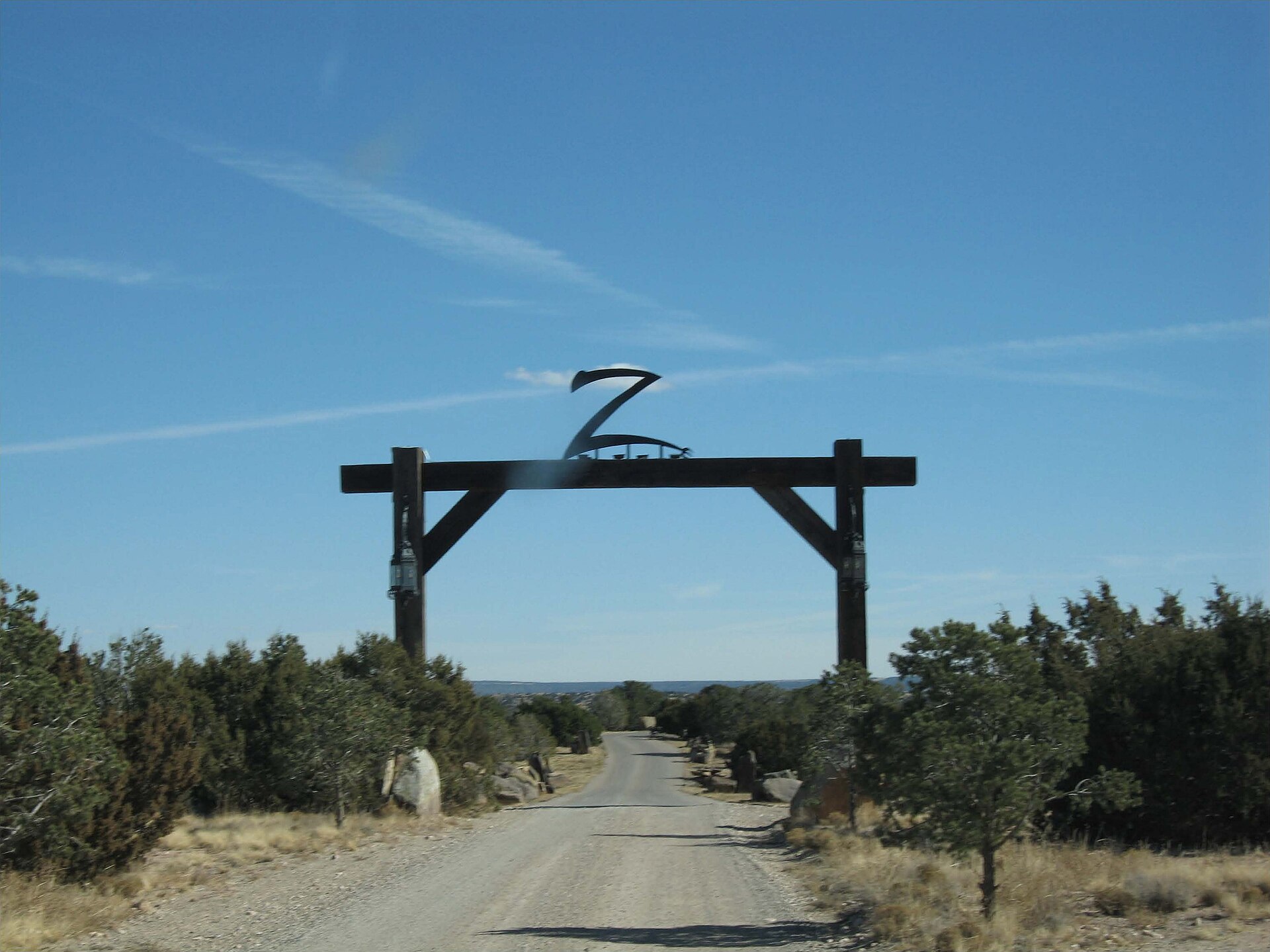
For years, Epstein’s mysterious New Mexico ranch, known as Zorro Ranch, has sat at the edge of the broader Epstein scandal: widely discussed, heavily documented in files, but still not fully resolved in public. The new state actions matter now because New Mexico officials say federal files could determine whether anyone connected to Epstein can still be held accountable there.
New Mexico raises the stakes
Torrez’s lawsuit frames the dispute as a direct challenge to the Justice Department’s control over Epstein records. According to CNN’s account of the filing, Torrez accused the DOJ of withholding information about Epstein and alleged co-conspirators and of blocking New Mexico’s investigation.
The attorney general argued that New Mexico may be one of the few jurisdictions still positioned to pursue accountability connected to Epstein’s associates or to provide some measure of justice for survivors. His filing said federal inaction does not merely delay the state’s work, but deepens the harm to survivors.
That is a serious claim, and it puts the DOJ in a difficult position. Federal officials have already faced criticism over what was released, what was redacted and what remained unavailable after Congress pushed for broader disclosure of Epstein files.
The state’s move also lands at a politically sensitive moment for Blanche, who has been the department’s point person on Epstein-related issues while seeking confirmation as President Trump’s next attorney general. CNN reported that Blanche’s nomination advanced out of committee Tuesday and now heads toward a full Senate vote, where the margin could be narrow.
The DOJ cites survivor privacy
The Justice Department’s public position is that it is not required to give New Mexico the unredacted records being sought. In a statement reported by CNN, a DOJ spokesperson said victims’ privacy interests outweigh the state’s request and that New Mexico had provided no lawful basis for such sweeping disclosures.
That argument is not trivial. Epstein records include deeply sensitive material involving people who say they were abused, trafficked or exploited. Any release of unredacted documents could expose names, identifying details or allegations that have not been tested in court.
But New Mexico officials and some survivors are challenging the department’s credibility on that point. Torrez said the DOJ could seek changes to protective orders if necessary and argued that federal officials had not shown consistent concern for survivors’ interests in the past.
A group of survivors also backed Torrez’s effort, according to CNN, saying the DOJ’s privacy rationale was hard to accept after previous releases exposed names and personal information. Their statement accused the department of protecting abusers by holding onto the files.
The ranch remains unresolved
Zorro Ranch has long been a central location in public questions about Epstein’s conduct outside his better-known homes in New York, Florida and the U.S. Virgin Islands. The New Mexico property has appeared repeatedly in Epstein-related records, but the extent of what happened there remains under investigation.
Torrez’s lawsuit said the files the DOJ released earlier this year contained more than 13,000 references to Zorro Ranch and 5,000 references to New Mexico as locations where victims were allegedly trafficked, groomed and assaulted. Those numbers do not, by themselves, prove specific criminal conduct by any particular person. They do show why state investigators see the ranch as more than a footnote.
The released files also included an unverified 2019 email allegation that two foreign girls were buried somewhere outside the ranch. That claim is especially sensitive because it is unverified, and officials have not presented public findings establishing it as fact.
That combination — thousands of references, grave allegations and incomplete public answers — explains why the ranch continues to generate pressure. For New Mexico, the question is whether state authorities can move beyond the paper trail and conduct a meaningful investigation while federal records remain partly sealed or redacted.
A second probe complicates matters
The attorney general is not the only New Mexico entity looking into Zorro Ranch. A state Truth Commission led by four members of the New Mexico House released an interim report the same day Torrez filed suit.
The commission called for records being withheld by the DOJ under the Epstein Files Transparency Act to be released. Its report said the panel’s work is ongoing and did not make final investigative findings or formal recommendations.
The report’s length — 119 pages — signals the scale of the review, but much of it draws from Epstein files already released by the Justice Department. The commission said it is still seeking information and tips from survivors, witnesses and members of the public, and may try to obtain sworn testimony from certain witnesses.
There is also a coordination problem. The commission said it has been negotiating with the New Mexico Department of Justice over information-sharing and cooperation on interviews and depositions. But the report acknowledged that no agreement had been reached. CNN reported that some survivors have expressed confusion about whether the two New Mexico efforts are working together.
Why the timing matters
The pressure campaign is building after Congress forced the Justice Department to release millions of Epstein-related files through a bipartisan measure last year. Those releases did not settle the matter. Heavy redactions, and in some cases flawed redactions that exposed victim information, created a new wave of criticism from lawmakers and survivors.
The DOJ’s internal watchdog is reviewing the redaction process, according to CNN. That review matters because it could shape whether the department’s claims about privacy and disclosure are trusted going forward.
For Blanche, the dispute creates confirmation-stage exposure. Senators weighing his nomination may now face fresh questions about whether the DOJ is cooperating with state investigators, whether its privacy claims are being applied consistently and whether it has been transparent enough about Epstein’s network.
For New Mexico, the timing is about investigative leverage. If the state believes statutes, witnesses or evidence still allow action, delays could matter. If the DOJ believes disclosure would violate court orders or expose survivors, the agency may resist even under intense political pressure.
What remains unanswered
The central unresolved issue is whether New Mexico can obtain the unredacted records it says it needs. A court may have to decide how far the DOJ must go, whether protective orders can be modified and what safeguards would protect survivors’ identities.
Another open question is whether the attorney general’s investigation and the Truth Commission can coordinate without duplicating efforts or creating confusion for witnesses and survivors. Parallel inquiries can broaden pressure, but they can also create gaps if agencies do not share information.
There is also the larger question that has shadowed the Epstein case for years: whether public releases can produce real accountability, or merely expose more fragments of a sprawling record. New Mexico officials are arguing that the ranch files could still matter in legal terms. The Justice Department is arguing that disclosure has limits.
The immediate takeaway is clear: Zorro Ranch is no longer just a symbol of unanswered questions in the Epstein case. It is now the center of a state-federal fight over evidence, privacy, survivor trust and who gets to decide what the public — and investigators — are allowed to see.
Leave a Reply