
The dispute is drawing attention because Pirro is not simply a political media figure: she is the Senate-confirmed U.S. attorney for the District of Columbia. Available reporting points to friction over how alleged vandalism cases should be handled, while key details of Navarro’s demand remain unclear.
Jeanine Pirro is facing criticism as Peter Navarro is demanding that a prosecutor be removed, putting a political and legal controversy around the U.S. attorney for the District of Columbia into sharper view. The immediate question is why Pirro comes under fire while Navarro presses for a prosecutor’s removal—and what the clash says about pressure on federal prosecutors handling politically charged cases.
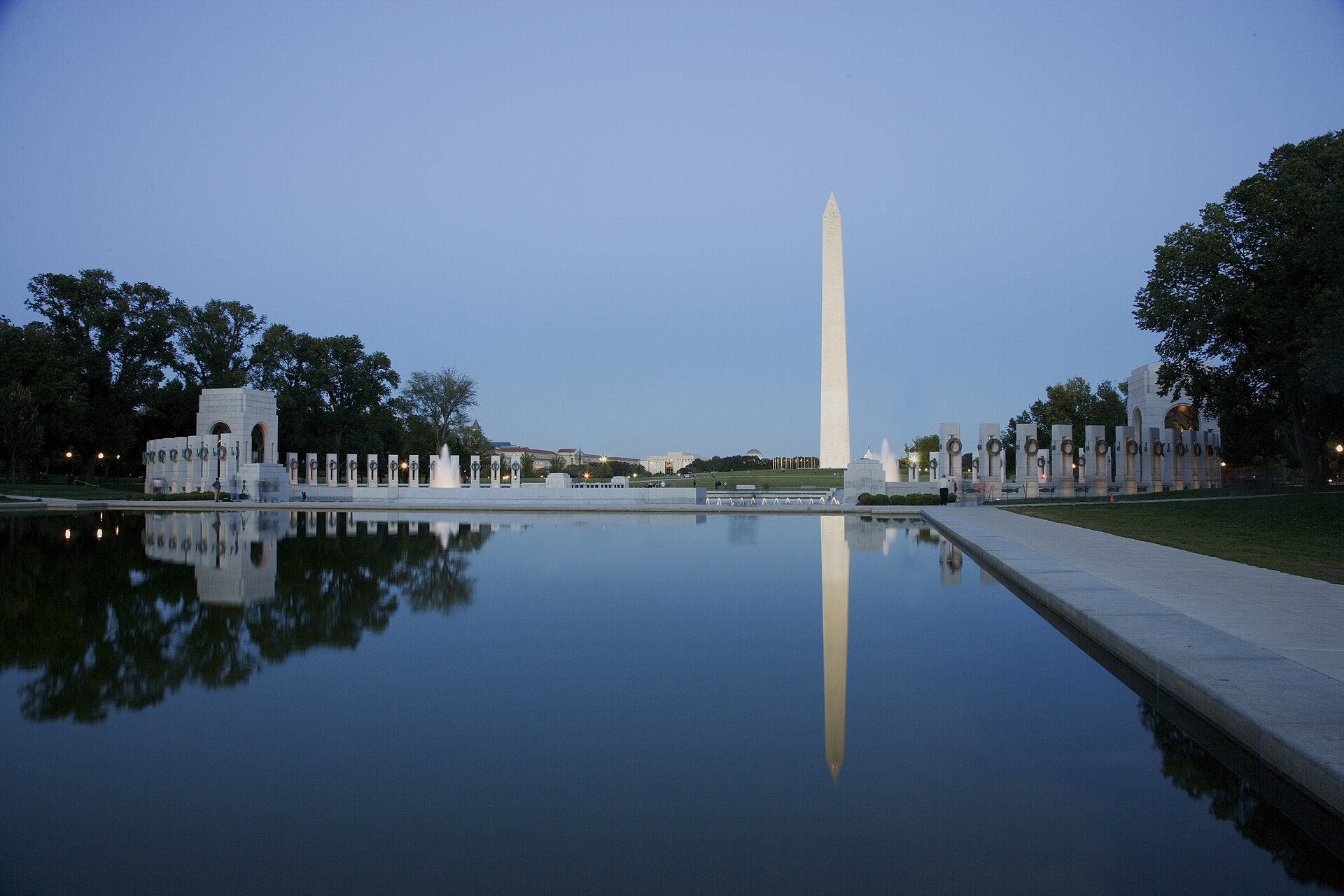
Available reporting links the tension to disagreements over cases involving alleged vandalism near Washington’s Reflecting Pool. But the public material reviewed does not fully identify the prosecutor Navarro wants removed, spell out the legal basis for his demand, or establish that Pirro herself is the target of that demand.
Pirro’s role raises the stakes
Pirro is not commenting from the sidelines. The Justice Department identifies Jeanine Ferris Pirro as the U.S. attorney for the District of Columbia, the chief federal prosecutor in one of the country’s most consequential jurisdictions.
The office handles a wide range of federal matters in Washington, including cases that can intersect with protests, government property, public safety and disputes that rapidly become national political flashpoints. That makes any public push to remove a prosecutor more than a personality fight.
According to the Justice Department’s biography, Pirro began serving as interim U.S. attorney in May 2025 and was confirmed by the Senate in August 2025. She arrived with a long prosecutorial résumé, including service as a Westchester County assistant district attorney, judge and district attorney.
Her prominence also changes the political dynamics. Pirro had already built a national profile before taking the federal post, meaning her decisions and perceived disagreements can attract attention that would not follow a lower-profile prosecutor.
The dispute centers on vandalism cases
The Washington Post reported on August 8, 2026, that Pirro’s position appeared at risk after what it described as a rare break with President Donald Trump over cases of alleged vandalism. Its report tied the friction to events around the Reflecting Pool.
That is the clearest available context for the criticism now surrounding Pirro. It suggests the disagreement is not abstract: it concerns how prosecutors should respond to particular alleged offenses and, by extension, how aggressively the government should pursue them.
Still, a reported dispute over case handling should not be mistaken for a complete account of what happened. The available source material does not provide the charging documents, internal Justice Department communications or a detailed account of Pirro’s position on each alleged vandalism case.
It also does not establish whether Navarro’s removal demand followed a particular filing, prosecutorial decision or public statement. Those missing facts matter because calls for a prosecutor’s removal can carry very different implications depending on whether they concern evidence, ethics, staffing or dissatisfaction with an enforcement decision.
Navarro’s demand leaves key questions
Navarro’s demand for a prosecutor’s removal is the catalyst for the latest attention, but it should be read with care. A demand from a political figure is not itself an official personnel action, a court ruling or proof that a prosecutor acted improperly.
The materials provided for this report do not identify the prosecutor at issue or say whether Navarro made his demand through a formal complaint, a public statement or another channel. They also do not describe a response from Pirro, the Justice Department or the prosecutor who may be involved.
That uncertainty is central rather than incidental. Political controversies often move faster than the records needed to evaluate them, particularly when disputes involve federal law enforcement and high-profile allies of an administration.
For now, the verified core is narrower: Navarro is seeking a prosecutor’s removal, Pirro is facing criticism amid a reported dispute over alleged vandalism cases, and the publicly available details do not yet resolve how directly those developments are connected.
Why prosecutorial independence matters
Prosecutors exercise substantial discretion. They assess evidence, decide whether charges are warranted and make choices about how cases should proceed. Those decisions are routinely debated, especially in cases with political symbolism or public-order implications.
Critics of aggressive enforcement may argue that prosecutors should distinguish carefully between serious property crimes and conduct that is political, minor or difficult to prove. Supporters of tougher enforcement may argue that vandalism against public spaces or government property requires a firm response to protect order and deter repeat conduct.
Both positions can be debated. The harder issue arises when disagreement over prosecutorial judgment becomes a demand to remove an individual prosecutor. That can be viewed by supporters as accountability; by critics, it can look like pressure intended to influence legal outcomes.
Pirro’s status as the U.S. attorney for Washington makes that tension especially visible. The District’s cases often have national resonance, and decisions made there can be interpreted through partisan lenses even when prosecutors are applying ordinary legal standards.
Pressure can outlast one case
The controversy also underscores the unusual position occupied by political appointees with legal responsibilities. Pirro’s history as a prominent Trump ally may lead supporters to expect alignment, while her role as U.S. attorney requires decisions grounded in the facts and law of individual cases.
Those expectations can collide. A prosecutor may face criticism for pursuing a case too forcefully, declining to pursue it, recommending a particular penalty or failing to match the political tone surrounding an incident.
That does not mean criticism is inherently improper. Public officials can be scrutinized, and prosecutors’ choices can be challenged through legal processes, oversight and public debate. The distinction is whether scrutiny is based on a specific, supportable concern or becomes a campaign to secure a preferred outcome.
In this instance, the public record available so far is too incomplete to determine which characterization fits. The reported underlying dispute deserves attention, but so does the absence of a detailed public explanation for the removal demand.
What remains unresolved
The next important developments would be an on-the-record explanation from Navarro, a response from Pirro or the Justice Department, and documentation identifying the prosecutor involved. Any formal personnel move or court filing would also provide a firmer basis for judging the claims.
Until then, the episode is best understood as a live dispute over prosecutorial judgment and political pressure, not as proof of wrongdoing by Pirro or any unnamed prosecutor. The available reporting establishes real tension around alleged vandalism cases; it does not settle responsibility for that tension.
The takeaway is straightforward: a public demand to remove a prosecutor has put renewed focus on Jeanine Pirro’s leadership of the U.S. attorney’s office in Washington. What happens next will depend on facts that have not yet been made public—not simply on the volume of political criticism surrounding the case.
Leave a Reply