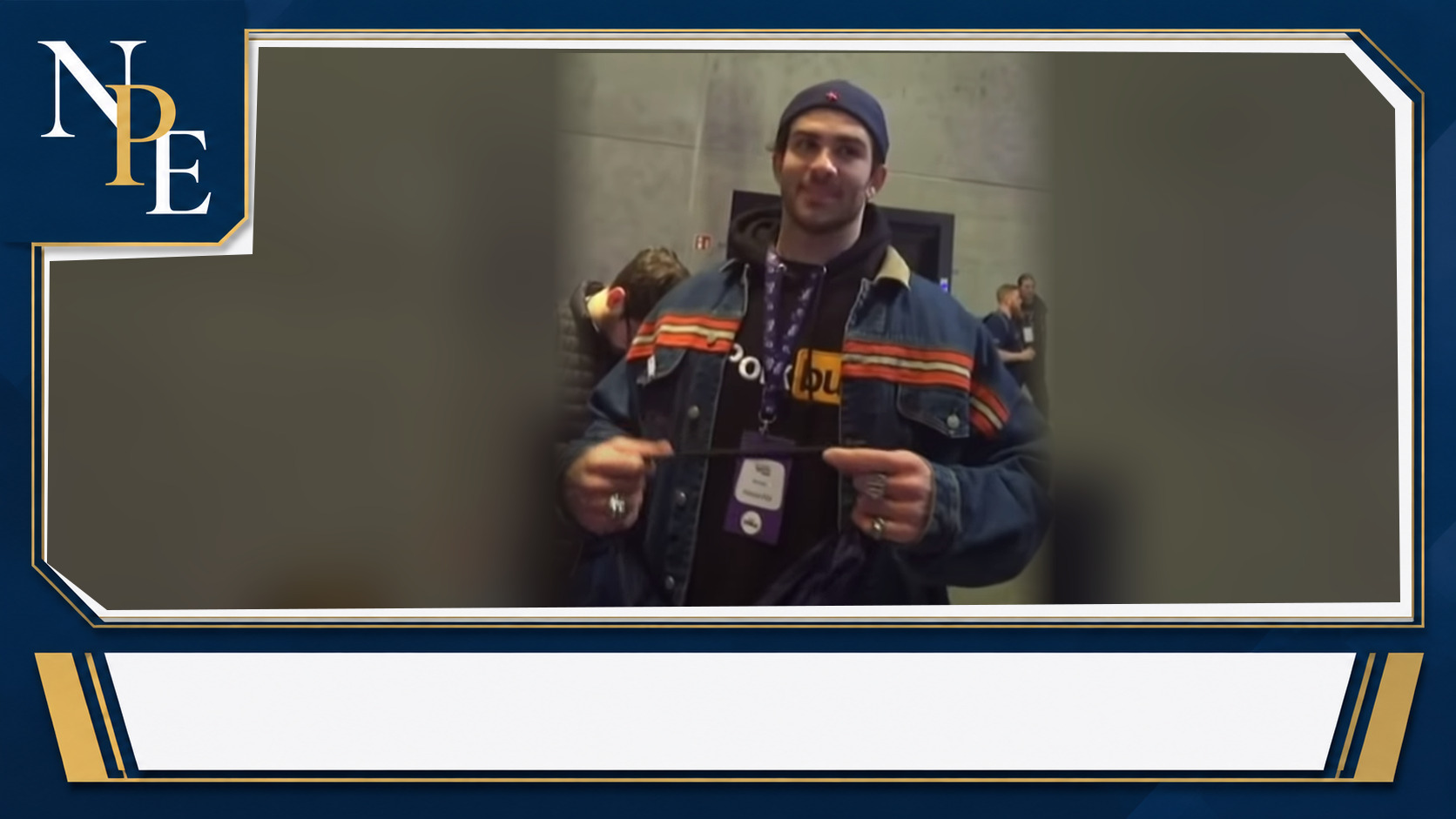
Hasan Piker’s objection to violent rhetoric aimed at him has put old accusations about his own language back in focus. The episode underscores how quickly online political debate can blur the line between provocative commentary, hyperbole and real-world threats.
Hasan Piker opposes violent rhetoric directed at him, according to a recent Mediaite headline, while critics point to past statements they characterize as calls for the murder of his opponents. The contrast between Piker’s current position and allegations about his past rhetoric is now central to a wider argument about accountability for major political streamers.
The immediate principle is not complicated: threats and incitement aimed at any public figure are unacceptable. The harder question is whether influencers who condemn violence directed at them apply the same standard when discussing ideological opponents, public officials or institutions they fiercely oppose.
Threats are not ordinary criticism
There is a meaningful difference between criticizing Hasan Piker’s politics, mocking his commentary or challenging his factual claims, and directing threats of physical harm at him. The first categories are part of public debate. The last is a safety issue.
That distinction should hold regardless of a speaker’s ideology, audience size or past behavior. A person’s controversial remarks do not make threats against that person acceptable, and criticism of Piker’s rhetoric should not become permission for others to escalate into violent language.
Online arguments often collapse those categories. Strong political disagreement becomes personal hostility; personal hostility becomes dehumanizing rhetoric; and dehumanizing rhetoric can make explicit threats seem more normal than they are.
The claims being revived
The available source material does not provide the full reporting or clips behind the Mediaite headline. It does, however, show that allegations about Piker’s language have been circulating in political and media debates for some time.
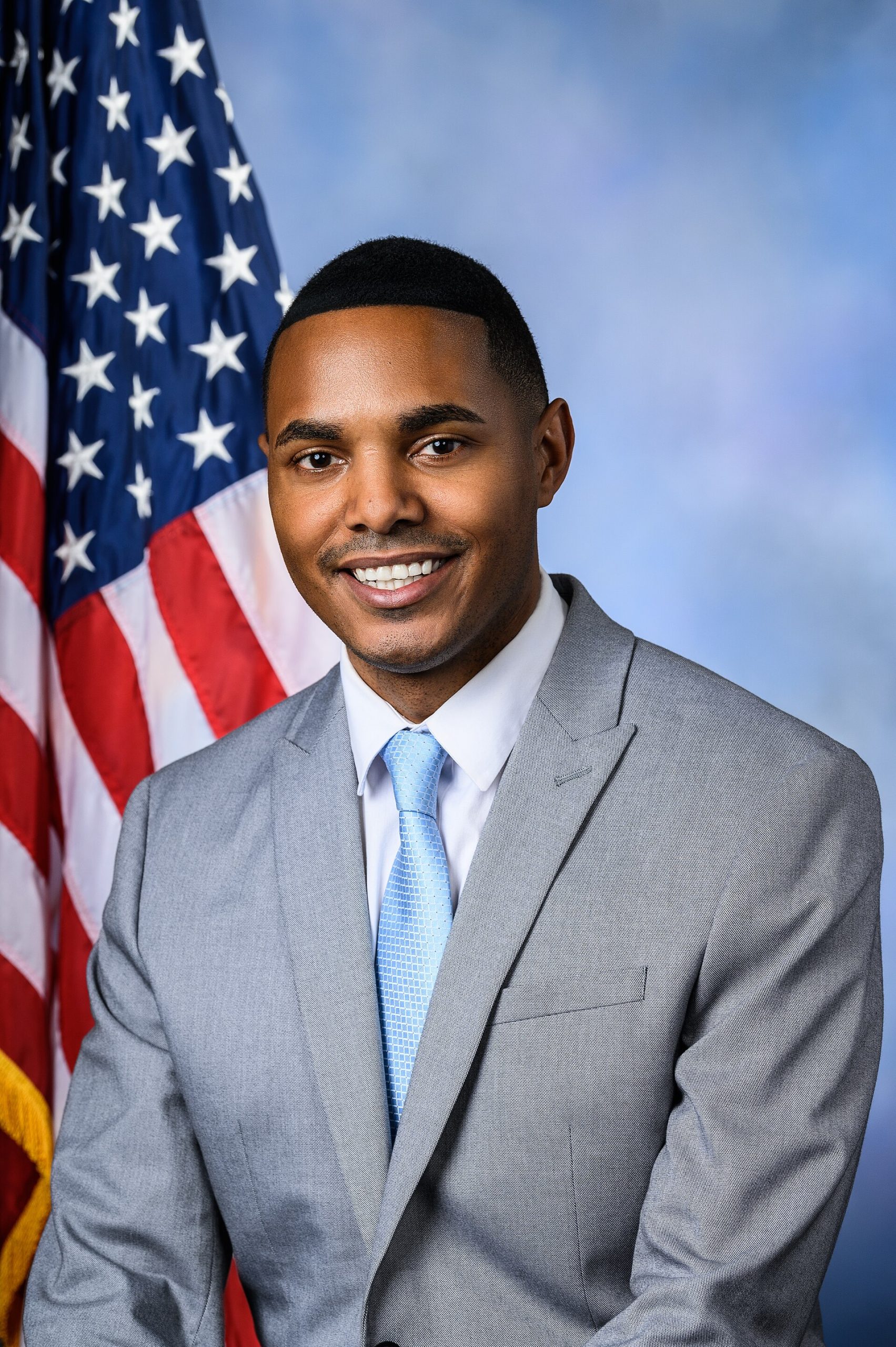
In a letter published on his official House website, Rep. Ritchie Torres accused Piker of using language that encouraged violence, including remarks the congressman described as telling followers to “kill” and “murder” people in the streets. Torres presented those statements as evidence that platforms should scrutinize Piker’s content.
Those are serious allegations, but they require careful handling. The congressional letter is an advocacy document from an elected official, not an independent adjudication of the clips, their full context, their intended targets or Piker’s response to each claim.
Without the complete video segments, dates and surrounding discussion, it is not responsible to treat every accusation as settled fact. It is fair, however, to examine the broader concern raised by the allegations: whether highly visible creators can use violent imagery or commands as political rhetoric and later insist that such language must never be aimed back at them.
Context changes meaning, not consequences
Political streamers frequently speak in a style built for live audiences: quick reactions, sarcasm, exaggeration, anger and confrontation. Supporters may interpret phrases such as “kill” or “murder” as hyperbole, a joke or an expression of fury rather than a literal instruction.
Critics counter that audience context does not erase impact. When a creator has a large, engaged following, even rhetorical violence can normalize the idea that opponents deserve harm. That risk grows when the target is identifiable or when a message is repeated during a heated news cycle.
Both points can be true. Context matters when assessing intent, but reach matters when assessing responsibility. A phrase that might be dismissed as over-the-top banter among friends can carry a different weight when broadcast to millions of viewers and clipped for social media.
Consistency is the real test
The strongest criticism of Piker in this dispute is not that he should accept threats because he has faced accusations over his own language. He should not. The stronger criticism is that public figures who denounce violent rhetoric against themselves should apply that rule consistently to everyone else.
That standard extends beyond Piker. Political commentators across the ideological spectrum regularly condemn threats against allies while excusing, laughing at or amplifying violent-sounding language against adversaries. The hypocrisy is often obvious because the standard changes with the target.
For audiences, consistency is a more useful test than partisan loyalty. Does a creator reject threats against political opponents? Do they correct language that can be reasonably heard as a call to violence? Do they discourage followers from turning outrage into harassment? Those questions matter more than whether the person being criticized is popular or politically aligned with the viewer.
Platforms have a separate responsibility
The House letter from Torres also focused on Twitch and its parent company, Amazon, arguing that platforms should take a harder look at influential streamers’ conduct. That raises a separate issue from whether any particular statement meets a legal definition of incitement.
Platforms do not need to wait for a criminal threshold before applying clear rules against direct threats, targeted harassment or content that encourages violence. At the same time, vague enforcement can become a tool for punishing unpopular political viewpoints rather than dangerous conduct.
A credible approach requires transparency: clear policies, consistent enforcement, meaningful appeal processes and attention to the full context of clips. Selective punishment based on political pressure would undermine trust, but ignoring repeated violent rhetoric because a creator is valuable or influential would do the same.
What remains unclear
The available material leaves important questions unanswered. It does not identify the precise threats Piker is currently condemning, provide his full response to the accusations about earlier remarks, or establish the context for every quotation cited by critics.
Those gaps matter. A fair assessment should distinguish direct threats from harsh criticism, literal incitement from rhetorical hyperbole, and verified clips from viral claims stripped of their original setting.
Still, the broader takeaway is clear. Nobody should be threatened for speaking online, including Hasan Piker. And every influential commentator, especially one whose audience may treat their words as political marching orders, has a responsibility to reject violent rhetoric consistently—not only when it is aimed at them.
Leave a Reply