The dispute shows how courtroom scheduling can become a high-stakes issue when immigration protections, work permits and removal risks are tied to pending litigation.
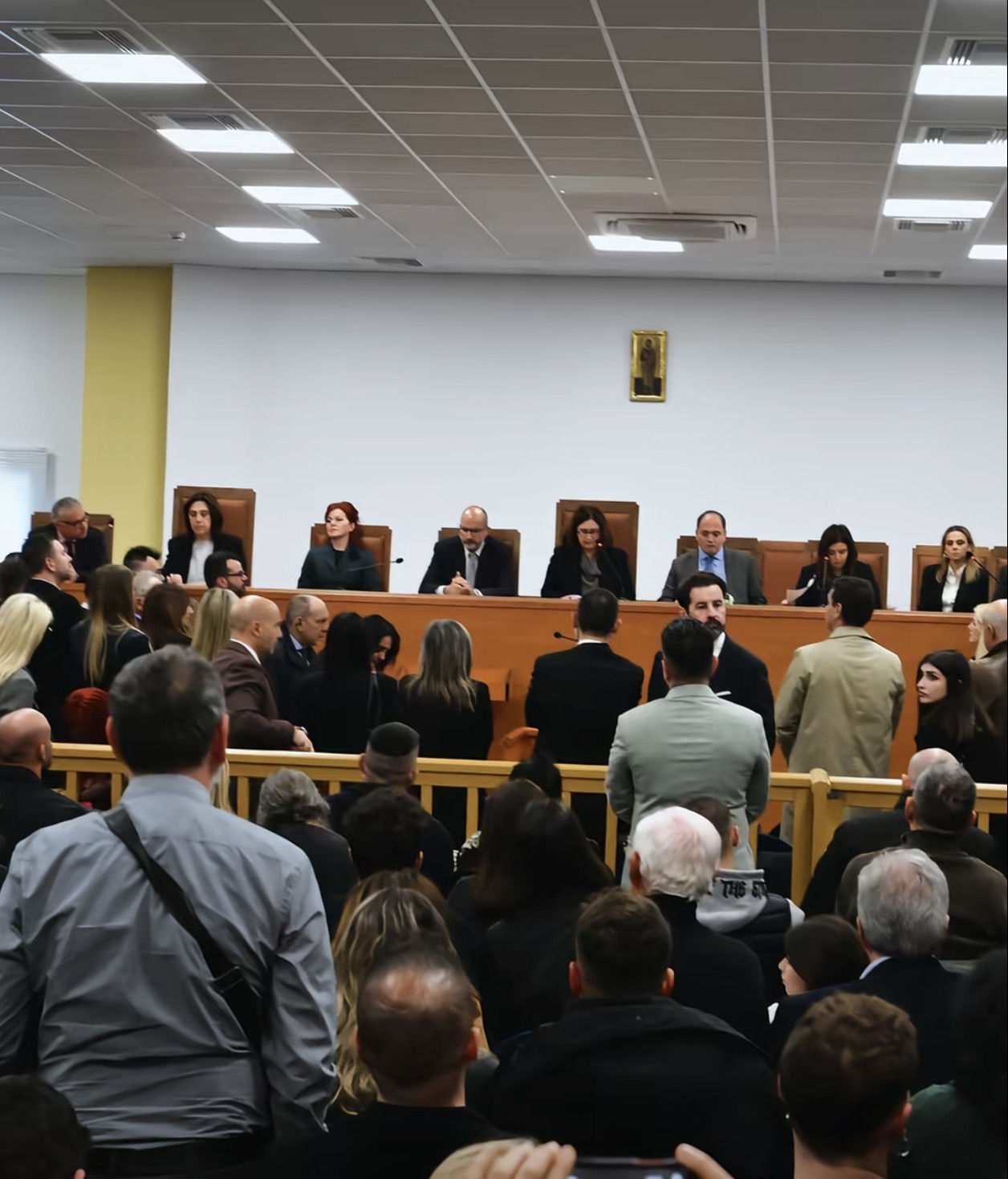
A district judge criticized a Trump administration lawyer for complaining about the pace of briefing in a Temporary Protected Status case, turning a dry scheduling dispute into a sharp rebuke. The dispute concerns the TPS case and its briefing schedule: the lawyer objected to what was described as a “sluggish briefing schedule,” and the judge responded by calling the complaint “shameful,” according to a Law & Crime report surfaced on MSN.
The clash matters because Temporary Protected Status can decide whether people already in the United States may remain protected from removal and continue working while litigation over the Trump administration’s policy moves through court.
A schedule fight turns sharp
Briefing schedules are the gears of litigation. They set when each side must file arguments, evidence and responses before a judge decides whether to grant relief, pause government action or let a policy proceed.
In this TPS case, the Trump administration lawyer’s complaint about the pace of briefing appears to have landed badly with the court. The judge’s use of “shameful,” as reported, signals more than ordinary impatience. It suggests the court viewed the government’s objection as out of step with the stakes or with its own role in creating the timeline.
That is why the exchange is drawing attention beyond legal circles. Immigration lawsuits often move under emergency pressure, but courts still have to balance speed, fairness and the need for a complete record.
Why TPS timing matters
Temporary Protected Status is not a minor administrative label. USCIS says TPS may be granted to eligible nationals of designated countries when conditions temporarily prevent safe return, including ongoing armed conflict, environmental disaster, epidemic or other extraordinary and temporary conditions.
During a designated period, USCIS says TPS beneficiaries are not removable from the United States, can obtain employment authorization and may receive travel authorization. Once granted TPS, a person also cannot be detained by DHS solely because of immigration status, according to USCIS.
That makes timing central. A briefing schedule can affect how soon a court weighs in on whether a termination, extension or related agency decision can take effect. For the government, delay can slow policy implementation. For TPS holders, delay can mean weeks or months of uncertainty over work authorization, family stability and removal exposure.
TPS is also temporary by design. USCIS notes that it does not itself lead to lawful permanent resident status or create another immigration status. That built-in impermanence is part of what makes court deadlines so consequential.
The judge’s message to government counsel
Judges rarely use language like “shameful” over routine scheduling unless they believe something larger is at stake. A rebuke aimed at a government lawyer can serve as a warning: litigation conduct matters, especially when the government is asking a court to move quickly or complaining that a case is not moving fast enough.
The government’s likely position is straightforward: agencies argue they need timely rulings so elected administrations can carry out policy decisions. Courts often recognize that interest, particularly when national immigration policy is involved.
But plaintiffs in immigration cases often argue that speed should not come at the expense of due process or meaningful review. If a policy change could strip protections from large groups of people, they may seek time to build a factual record and respond fully to the government’s arguments.
The judge’s criticism suggests the court saw the complaint about a “sluggish briefing schedule” as unfair, premature or inconsistent with the realities of the case. Without the full order or transcript, the precise reason for the judge’s anger remains unclear.
TPS sits in a volatile legal lane
The broader TPS landscape has been legally active and politically charged for years. Decisions over whether to designate, extend or terminate TPS are made by the Department of Homeland Security, but those decisions can trigger lawsuits when affected immigrants, advocates or states argue the process was unlawful.
USCIS’s own TPS page currently notes that on June 25, 2026, the U.S. Supreme Court issued a decision concerning TPS terminations in Mullin v. Doe, 609 U.S. ____ (2026), which the agency describes as favorable. That reference shows how TPS disputes are not limited to one trial-court fight; they can move through the federal judiciary and shape national policy.
Legal challenges in this area often revolve around administrative procedure, statutory authority and claims that the government failed to adequately explain a decision. The human consequences, though, are far less abstract: people may be planning jobs, rent, schooling and family care around whether their protection remains valid.
That gap between procedural language and lived consequences helps explain why a fight over a briefing calendar can become heated.
What remains unclear
The initial report identifies the flashpoint — a Trump administration lawyer’s complaint about the briefing schedule and the district judge’s unusually sharp response — but several practical details remain important.
- Which TPS designation or group of TPS holders is directly affected by the litigation.
- Whether the disputed schedule changes the timing of any immediate deadline for beneficiaries.
- Whether the judge’s rebuke came in a written order, hearing or other court filing.
- Whether the government will seek a faster schedule, appeal a related ruling or adjust its position.
Those details matter because not every TPS lawsuit has the same immediate impact. Some cases concern broad termination policies; others focus on specific countries, agency procedures or implementation dates.
The takeaway is procedural power
The headline moment is the judge’s rebuke of a Trump administration lawyer. The deeper issue is that court procedure can determine how quickly immigration policy changes reach real people.
For readers who do not follow federal litigation, “briefing schedule” can sound like paperwork. In TPS cases, it can shape whether a policy is paused, accelerated or fully tested before consequences arrive.
The judge’s reported use of “shameful” does not decide the merits of the TPS dispute. It does, however, reveal tension between a government seeking movement and a court signaling that speed alone cannot be the only measure of fairness.
Leave a Reply