Jackie’s illness drew intense concern from a global online audience and put a small wildlife rehabilitation center under unusual pressure. Her death also underscores the difficult line between public interest and the quiet work of wildlife care.
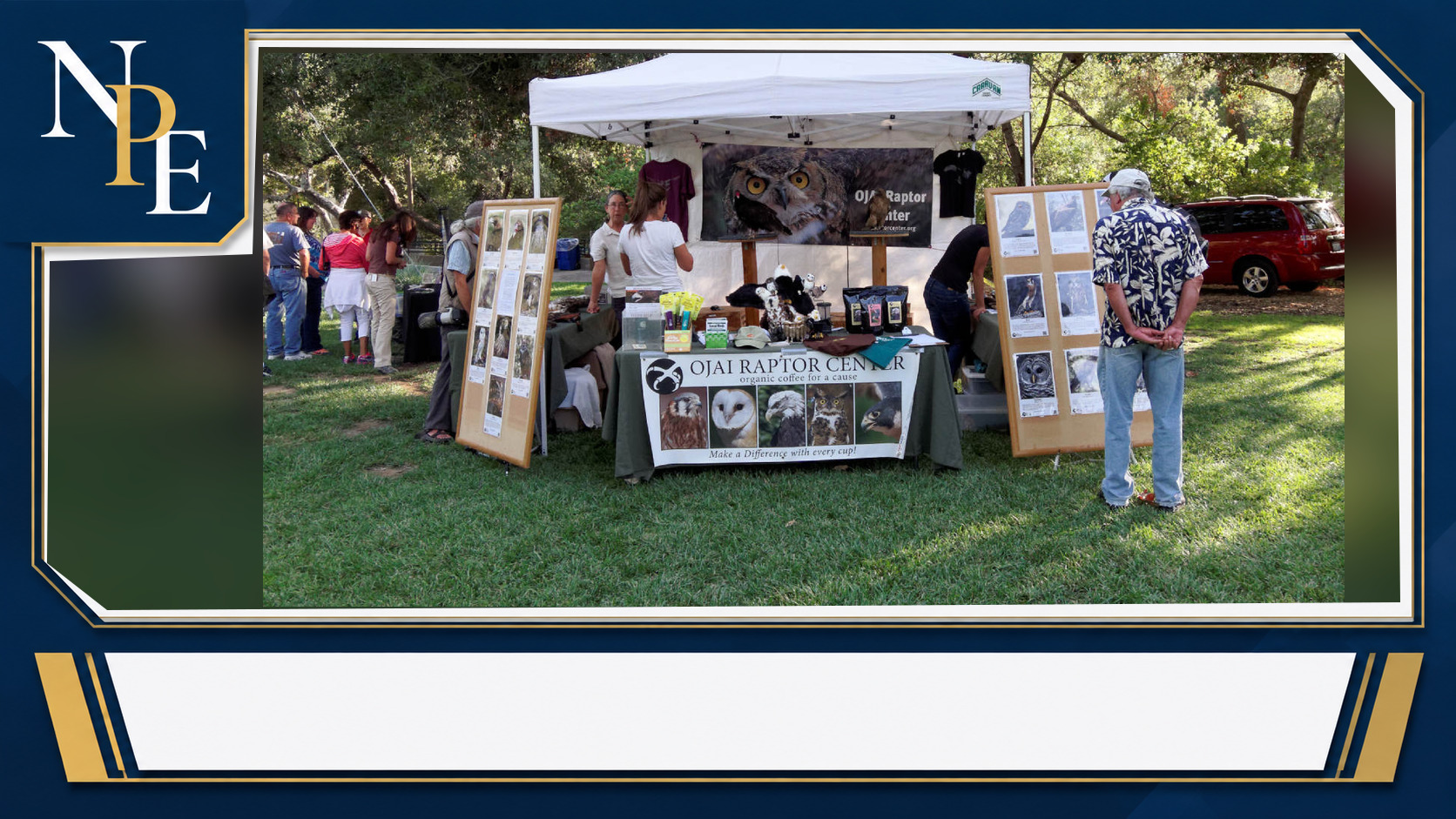
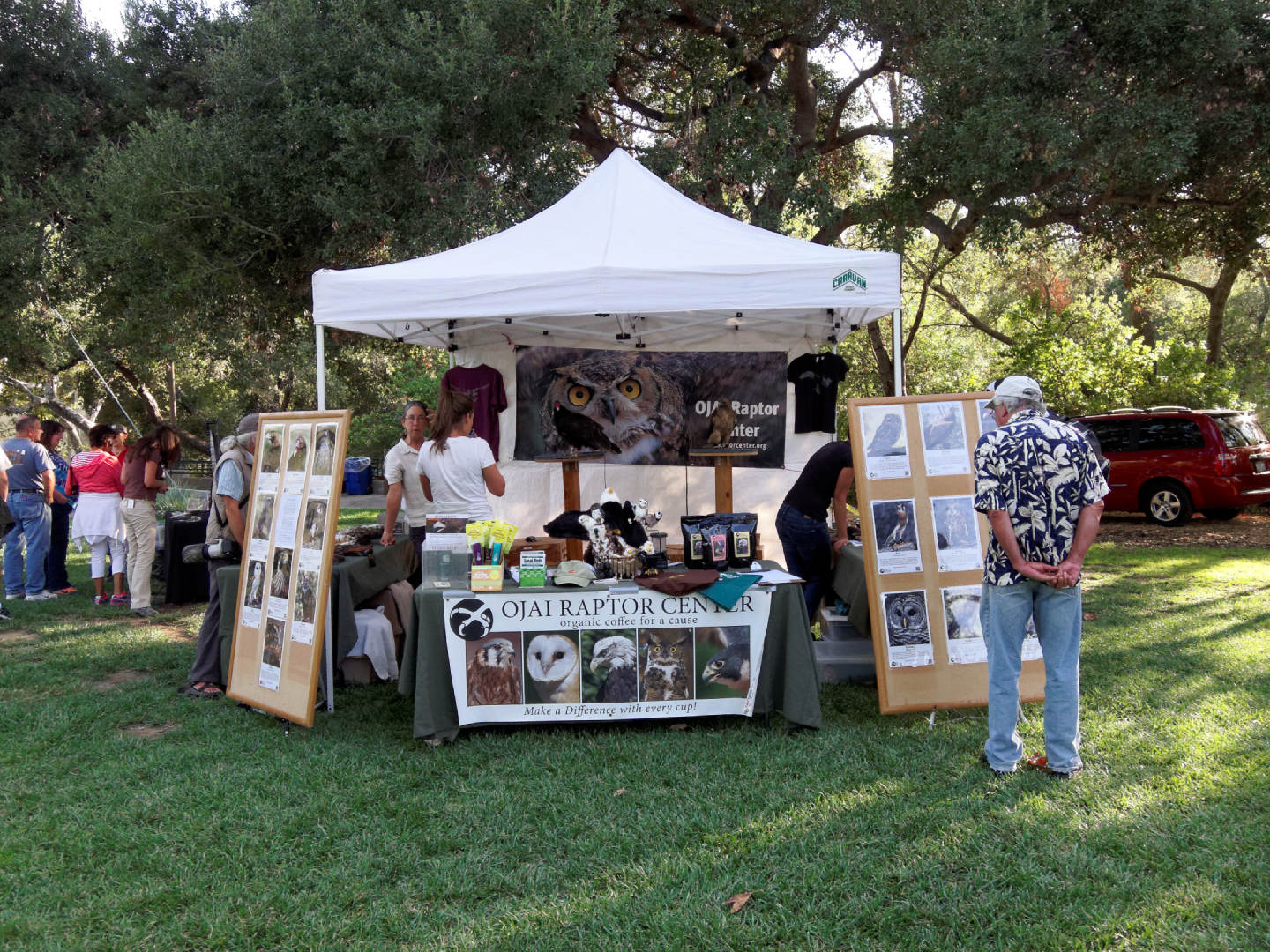
Bald eagle Jackie has died after entering the Ojai Raptor Center for treatment roughly three weeks earlier. Jackie, made famous by a California nest cam near Big Bear Lake, had been receiving intensive care in Ojai as veterinarians investigated a serious underlying illness.
The Ojai Raptor Center announced her death in a Facebook post, according to reporting by The New York Times. Her final weeks turned a wildlife rescue into a closely watched public story, with her caregivers balancing medical treatment against a wave of anxious online attention.
Jackie’s treatment became a public vigil
Jackie arrived at the Ojai Raptor Center in mid-July after becoming ill while living in the Big Bear Lake area with her longtime mate, Shadow. Friends of Big Bear Valley’s around-the-clock nest camera had made the pair, and the eaglets they raised, familiar to viewers far beyond Southern California.
By early August, the center said Jackie was in critical condition and receiving oxygen therapy, supportive treatment and round-the-clock monitoring. Her care also included diagnostic testing, a blood transfusion and consultations with specialists, USA Today reported before her death.
One key concern was her packed cell volume, a measure of the proportion of red blood cells in the blood. The center said that number was dangerously low when Jackie arrived, improved briefly, then fell again as her condition worsened.
Doctors were still seeking answers
The Ojai Raptor Center had not publicly identified a complete diagnosis before Jackie died. Its staff said a CT scan and bone marrow biopsy had produced useful information, but that more specialized testing was needed to understand the full picture.
That uncertainty is central to the story. Wildlife medicine often proceeds with incomplete information, particularly when clinicians are treating a large wild bird whose symptoms may have several possible causes and whose condition can change quickly.
It remains unclear whether the center will release further findings about the illness that brought Jackie into care. The available reporting establishes that she was seriously ill, but it does not support a definitive public conclusion about the cause of her death.
A nest cam created unusual attachment
Wildlife cameras can make distant animal lives feel immediate. Viewers watched Jackie and Shadow defend their territory, incubate eggs and raise eaglets, creating the kind of sustained familiarity that is usually reserved for recurring human characters on television.
That attachment helped generate enormous concern when Jackie disappeared from the nest area for treatment. It also explains why routine medical updates carried outsized emotional weight: followers were not simply tracking a rescued bird, but an animal they had watched across multiple nesting seasons.
There is a positive side to that connection. Nest cams can introduce people to raptor behavior, habitat protection and the uncertainty built into wild animal life. They can also inspire donations and volunteer support for conservation groups.
But intimacy through a screen can blur an important boundary. A public audience can feel invested in an animal’s care without having access to the medical facts, clinical decisions or operational limits faced by the people treating it.
Caregivers faced a flood of demands
Before Jackie’s death, the Ojai Raptor Center said repeated calls, messages, unplanned visits and social-media activity were becoming distractions from patient care. The facility said concern was understandable, but urged people to allow its veterinary and rehabilitation staff to work without interruption.
Friends of Big Bear Valley likewise asked followers not to contact or visit the center demanding updates. The organization criticized an online petition seeking more detailed information, saying it could hinder the people focused on Jackie’s recovery.
Some followers argued that frequent, specific updates were reasonable because the nest cam community had spent years caring about Jackie. The competing view from the rehabilitation organizations was that transparency has limits when a patient is critically ill and a small staff must prioritize treatment.
The conflict was intensified by false or speculative content online. The Ojai Raptor Center warned that artificial-intelligence-generated images, videos and articles can look convincing, allowing rumors to circulate before verified information is available.
Wildlife care is not a livestream
Jackie’s case shows a tension likely to grow as animal livestreams become more popular. Cameras create access, but emergency care is different from viewing an active nest: it involves medical privacy, uncertain diagnoses, changing conditions and decisions made for animal welfare rather than audience expectations.
The Ojai Raptor Center treats many sick, injured and orphaned birds each year, according to USA Today. Jackie’s fame made her situation exceptional, but the basic demands of rehabilitation were not: quiet, trained staff, time and careful attention to each animal in the facility.
For viewers mourning Jackie, the most reliable information will come from the Ojai Raptor Center and Friends of Big Bear Valley rather than unverified posts, altered images or secondhand claims. The organizations’ updates may not answer every question immediately, but they remain the clearest route to confirmed details.
Her online legacy will outlast treatment
Jackie’s death ends the immediate medical vigil, but not the connection many viewers formed with her through the California nest cam. Her story brought public attention to bald eagles, the pressures on wildlife rehabilitators and the emotional force of watching wild animals live their lives in real time.
It also leaves a more complicated takeaway: caring deeply about a wild animal can be constructive, but it does not make an online audience part of the treatment team. In a crisis, the most useful support may be patience, verified information and space for caregivers to do difficult work.
Leave a Reply