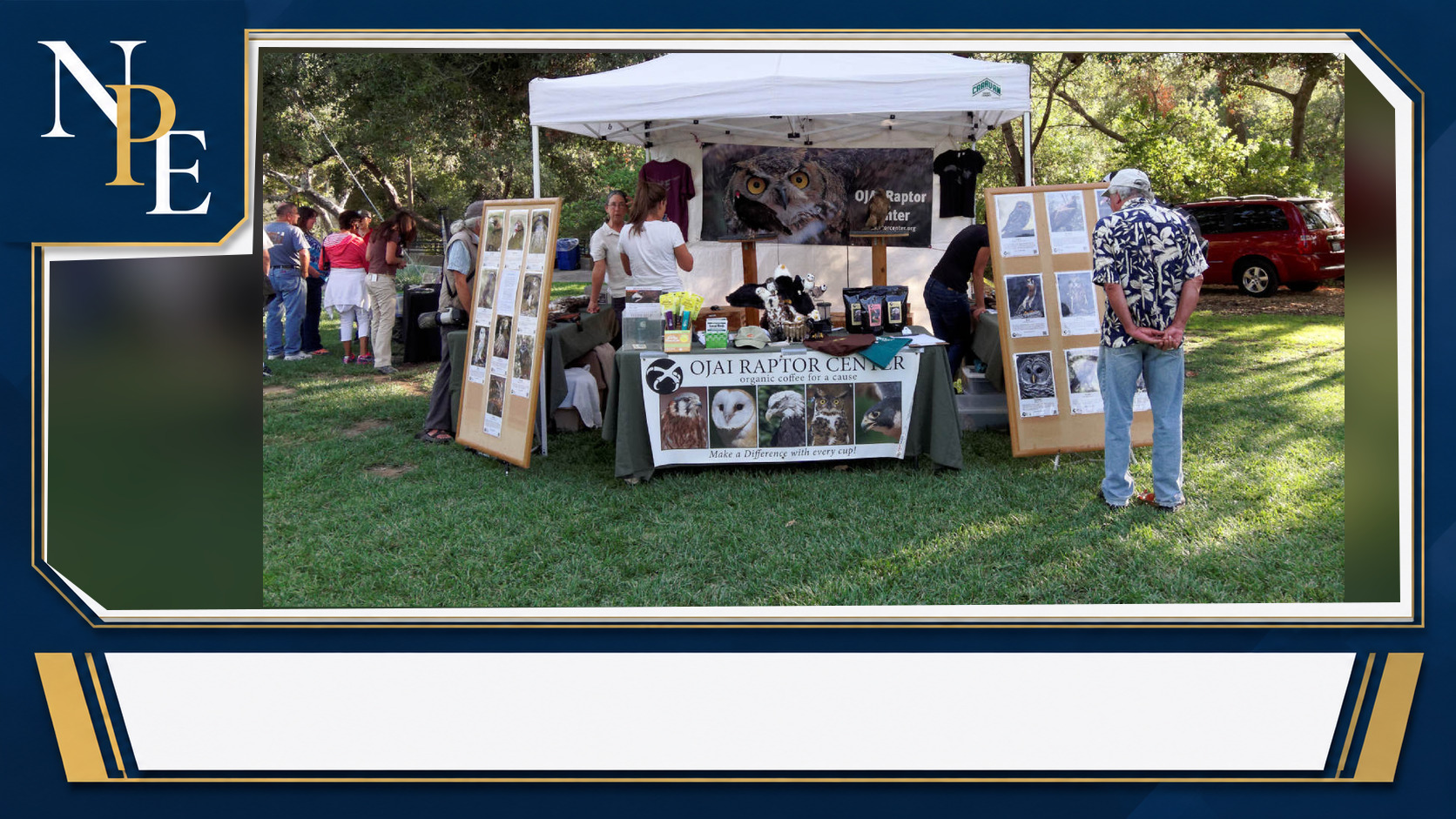
The death of Jackie ends a closely watched rescue effort for an eagle whose nest life with partner Shadow drew a worldwide audience. Wildlife officials are expected to provide further information about her care and test results.
Jackie, the Big Bear bald eagle, has died after more than three weeks of intensive medical care in California. The Ojai Raptor Center, the California veterinary center that reported Jackie’s death, said the eagle died early Monday after her condition deteriorated despite treatment, oxygen therapy and around-the-clock monitoring.
For the many people who followed Jackie’s nest with her partner, Shadow, the news closes a tense rescue effort that had moved far beyond Big Bear. Her case drew attention because she was not simply a bird being treated at a rehabilitation center; she was a familiar wild animal whose nesting seasons and eaglets had been watched by viewers around the world.
A difficult end to treatment
Ojai Raptor Center identified Jackie in its care as Patient 26-519 and said she died in the early hours of Monday. The center said she had received intensive care for more than three weeks.
In its announcement, the center said Jackie’s health had continued to decline in her final days despite the work of its veterinary team and consulting specialists. Staff had provided oxygen therapy, supportive treatment and continuous monitoring in an intensive-care setting.
The organization said its decisions were guided by available medical evidence and Jackie’s welfare. It described the loss as heartbreaking and said it had been an extraordinary privilege to care for her.
That language matters because the public had been following a precarious medical situation, not a routine rehabilitation. The center had previously described Jackie as critically ill and unstable, making clear that treatment was being delivered against serious odds.
Her condition had become critical
Jackie had been at Ojai Raptor Center after she was rescued following a fight with two other eagles, according to a CBS News Los Angeles report published before her death. She later became ill and was described by the center as anemic.
One marker of the severity was her packed cell volume, a measure used to assess the proportion of blood made up of red blood cells. CBS reported that the level had fallen as low as 6%, then rose to 9% in an update shortly before her death. The center cautioned at the time that the improvement was small and that her overall condition remained extremely serious.
Those details explain why the rescue effort became so closely watched. An eagle can look powerful and resilient from a distance, but wildlife medicine often hinges on conditions that are difficult for the public to see: anemia, stress, injury, infection risk and whether an animal can recover enough to return safely to the wild.
Ojai Raptor Center has not yet released the fuller medical account it said it is preparing. The center said it plans to provide additional information about Jackie’s treatments and test results.
Why Jackie meant so much
Jackie was famous for raising several eaglets in Big Bear with Shadow, her longtime partner. Their nest became a gathering point for people who watched the eagles’ daily routines, their breeding seasons and the unpredictable challenges of raising young in the wild.
That kind of connection can make news about a wild animal feel unusually intimate. Viewers see nest-building, feeding, stormy weather and parental care in real time, but the birds remain wild and face dangers without the protections available to pets or animals in managed settings.
The public response also reflects a broader shift in wildlife viewing. Remote cameras and social-media updates have made local animals recognizable individuals to large audiences. That visibility can encourage interest in habitat, conservation and rehabilitation work, while also creating intense concern when an animal is injured or dies.
There is a balance to keep in mind. Jackie’s popularity gave rehabilitation staff an audience eager for news, but medical teams still had to prioritize the bird’s condition over the public’s desire for constant updates. Ojai Raptor Center said its focus throughout had remained on her welfare.
What happens after Jackie’s death
Ojai Raptor Center said Jackie’s remains were transferred to the California Department of Fish and Wildlife. The center also said it is working with the department and the U.S. Fish and Wildlife Service.
It remains unclear when officials will release the promised additional medical details or whether testing will identify a more complete explanation for Jackie’s decline. The center has not presented a final public account of the test results in the information released so far.
That distinction is important. The known facts are that Jackie had been rescued after an encounter with other eagles, underwent extensive treatment and deteriorated while critically ill. A definitive cause or a complete medical timeline should come from the veterinary and wildlife agencies involved, rather than speculation built around a beloved animal’s death.
The center turned off comments on its announcement, asking for patience and kindness while staff process the loss. That request underscores the emotional weight of the case for both the people caring for Jackie and the viewers who followed her.
A loss felt beyond Big Bear
Jackie’s death will likely be felt most sharply by the people who had made a ritual of checking on the Big Bear nest. For them, the story was not only about a bald eagle in distress. It was about a familiar pair, Jackie and Shadow, and the seasons of life they had watched unfold.
It also highlights the demanding role of wildlife rehabilitation centers. Their work can be highly visible when an animal has an audience, yet the decisions remain clinical and difficult: stabilize the patient, limit stress, assess recovery and make choices based on welfare rather than public attachment.
Jackie’s final weeks brought those realities into view. The care team had resources, specialists and a wide base of support, but severe illness can still outpace treatment. The clearest takeaway is not that her rescue effort failed, but that a well-known wild eagle received sustained care during an exceptionally serious medical crisis.
As officials prepare further information, Jackie’s legacy in Big Bear remains tied to the nest she shared with Shadow and the eaglets she raised there. Her story gave thousands of viewers a closer look at bald eagles as living, vulnerable wild animals rather than distant symbols.
Leave a Reply