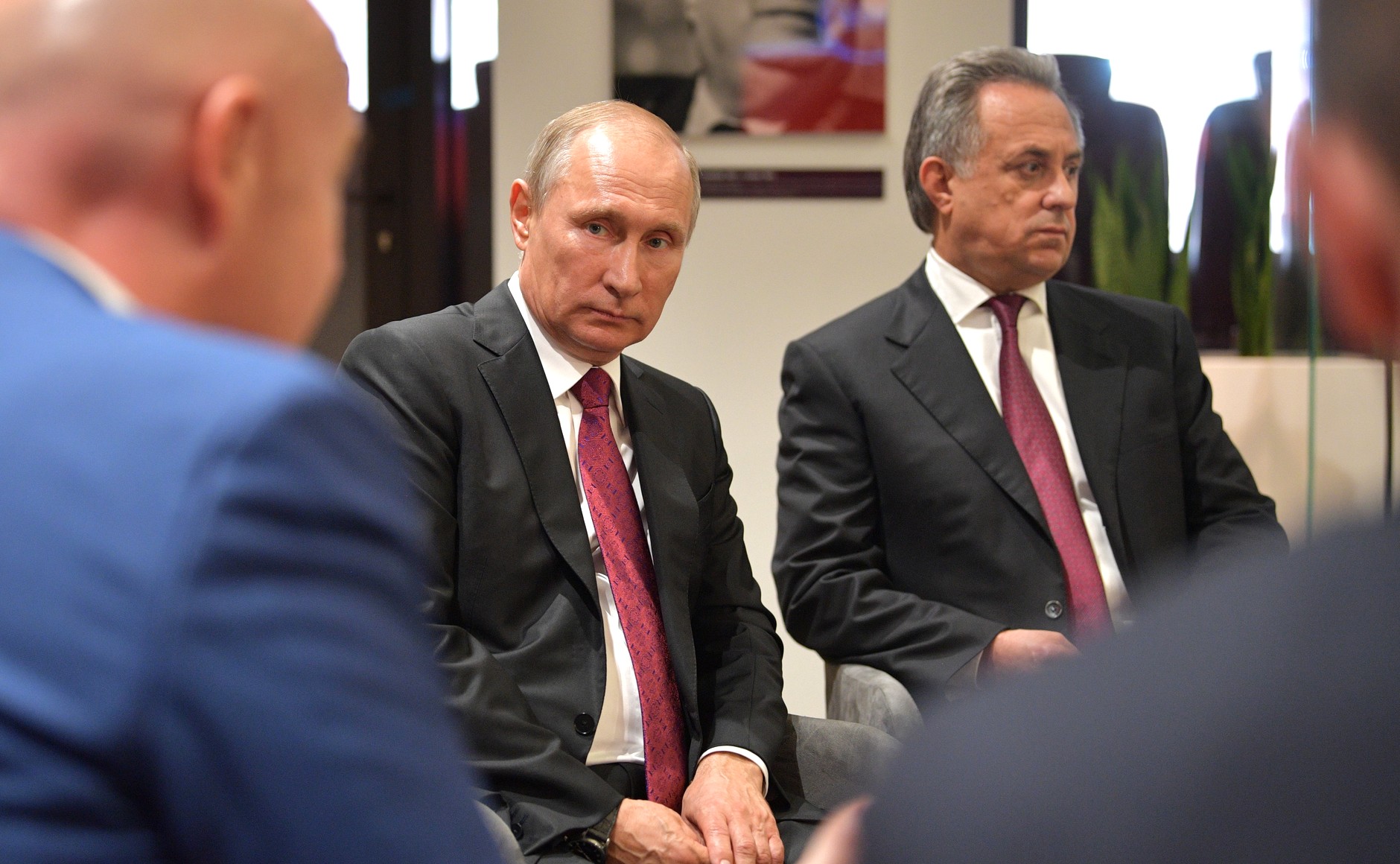
A proposal to sell a stake tied to World Cup commercial rights has turned into a governance fight for FIFA. The backlash now reaches beyond football politics and directly targets Infantino’s leadership.
Gianni Infantino is facing intensified backlash over a FIFA plan to sell a stake in World Cup-related commercial rights. He is being called on to resign as FIFA president, and the dispute has triggered controversy among football bodies after a key adviser, Carlos Cordeiro, resigned in protest.
The question now is whether the pressure can damage Infantino’s leadership of FIFA or force changes to a proposal critics say puts football’s biggest tournament too close to private investors. The Guardian reported that the plan would create an investment vehicle holding World Cup commercial rights and sell a portion to investors for $4.2 billion, or £3.1 billion.
A rights plan became a leadership fight
On paper, the proposal sounds like finance: package commercial rights tied to the World Cup, place them in a new investment vehicle, then sell a stake. In football terms, it lands very differently.
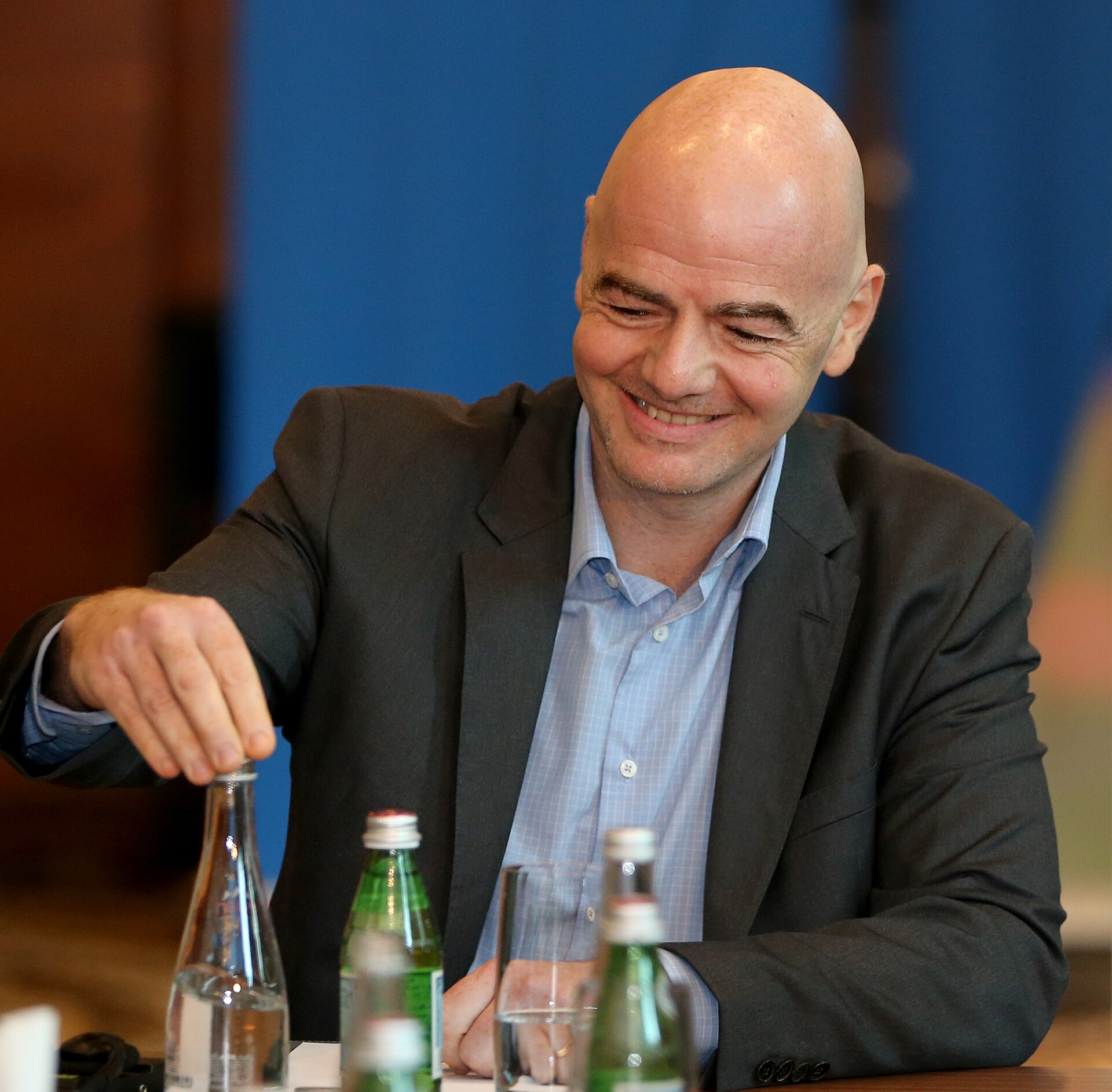
The World Cup is FIFA’s crown jewel, the event that funds much of the global game and gives the governing body its central authority. Any move that appears to carve off part of its commercial upside raises immediate questions about control, accountability and who benefits.
That is why the backlash has moved beyond objections to a business structure. Critics are framing the plan as a test of whether Infantino understands the symbolic weight of the tournament he oversees.
FIFA, according to The Guardian’s account, has been sticking with the plan despite fury from UEFA and other membership bodies. The report also cited the threat of a boycott from all 55 European nations, an extraordinary escalation even if it functions partly as leverage.
Cordeiro’s resignation raised the stakes
The pressure sharpened when Carlos Cordeiro, described as one of Infantino’s senior advisers, resigned over the proposal. Reuters reported Cordeiro’s resignation following the plan to sell a FIFA stake, and The Guardian quoted him calling it “a bad deal for football.”
Cordeiro’s statement was blunt: he said he could not stand by while FIFA considered selling a stake in the World Cup, said he had no involvement in the proposal and opposed it unequivocally.
That matters because adviser resignations are not ordinary criticism from the outside. They suggest unease close to the decision-making circle and give opponents a cleaner argument: if someone near Infantino believes the deal is wrong for FIFA’s members and the long-term game, why should national associations accept it?
Cordeiro’s role also gave the move extra visibility. The Guardian reported he had worked for FIFA since 2021 as a senior adviser to Infantino and also served as a senior adviser to the White House taskforce for this summer’s World Cup.
Why football bodies are alarmed
The dispute cuts into an old tension inside FIFA: the World Cup is both a public sporting institution and a giant commercial machine. FIFA sells media, sponsorship and hospitality rights, but it does so on behalf of a membership system that includes national associations across the world.
Supporters of a financial restructuring could argue that outside investment might unlock value, modernize commercial operations or produce money that can flow back into development. Not every commercial change is automatically privatization, and FIFA has long operated the World Cup through major global business deals.
The counterargument is sharper: once investors own a stake connected to World Cup rights, their interests become part of the tournament’s future. Even if FIFA retains formal control, critics worry that private return expectations could influence scheduling, expansion, pricing, sponsorship strategy or revenue distribution.
That is why the language has become so emotional. Andy Burnham, quoted by The Guardian, said football belongs to the people who fill stands and stand on touchlines, not to investors. His line that the World Cup “is not a product” captures the core objection.
Burnham turns criticism personal
Burnham’s intervention pushed the controversy directly onto Infantino. The Guardian reported that he called the proposal “outrageous” and said the idea that it could even be brought forward showed the FIFA president was “the wrong man to lead the organisation.”
That is not simply a request for more consultation. It is a call for Infantino to resign as FIFA president.
The Guardian described Burnham’s remarks as the first call from a leader of a major country for Infantino to step down. Whether that becomes a broader political wave is unclear, but it gives the revolt a different kind of weight.
Football bodies can challenge FIFA from inside the sport. Political leaders can turn the same dispute into a public legitimacy problem, especially when fans already distrust governing bodies that appear remote, wealthy and insulated.
Infantino’s real problem is trust
There is no verified sign from the available reporting that Infantino is preparing to resign. FIFA presidents do not usually fall because of one angry news cycle, and the organization’s power structure rests heavily on votes and support from member associations.
Still, the current backlash creates a problem that is hard to solve with financial explanations alone. If member bodies believe the World Cup is being monetized in a way they did not authorize or fully understand, the issue becomes governance, not just valuation.
Several key details remain unclear from the public reporting: what exact rights would sit in the investment vehicle, how long investors would hold exposure, what governance rights they would receive, and how proceeds would be distributed. Those questions are not technical footnotes. They determine whether the plan looks like smart financing or a partial sale of the game’s biggest prize.
The demand for an urgent governance review reflects that uncertainty. For FIFA, transparency may now be as important as the deal itself.
What could happen next
The immediate options are narrow but consequential. FIFA could press ahead and dare opponents to follow through. It could pause the plan for consultation. It could revise the structure to remove investor control concerns. Or it could abandon the idea and absorb the political damage.
For Infantino, the danger is that the plan becomes shorthand for a wider complaint about FIFA leadership: too centralized, too commercial and too dismissive of member unease. That perception can harden quickly if major confederations and national associations stay aligned against him.
The resignation calls are serious, but they are not the same thing as a resignation process. The real test is whether the backlash expands from public outrage into organized pressure within FIFA’s voting and governance machinery.
For now, one thing is clear: a proposal designed to raise billions has created a leadership crisis. The longer FIFA defends the World Cup stake plan without answering the control and governance questions, the more Infantino’s critics will argue that the deal itself proves their point.
Leave a Reply