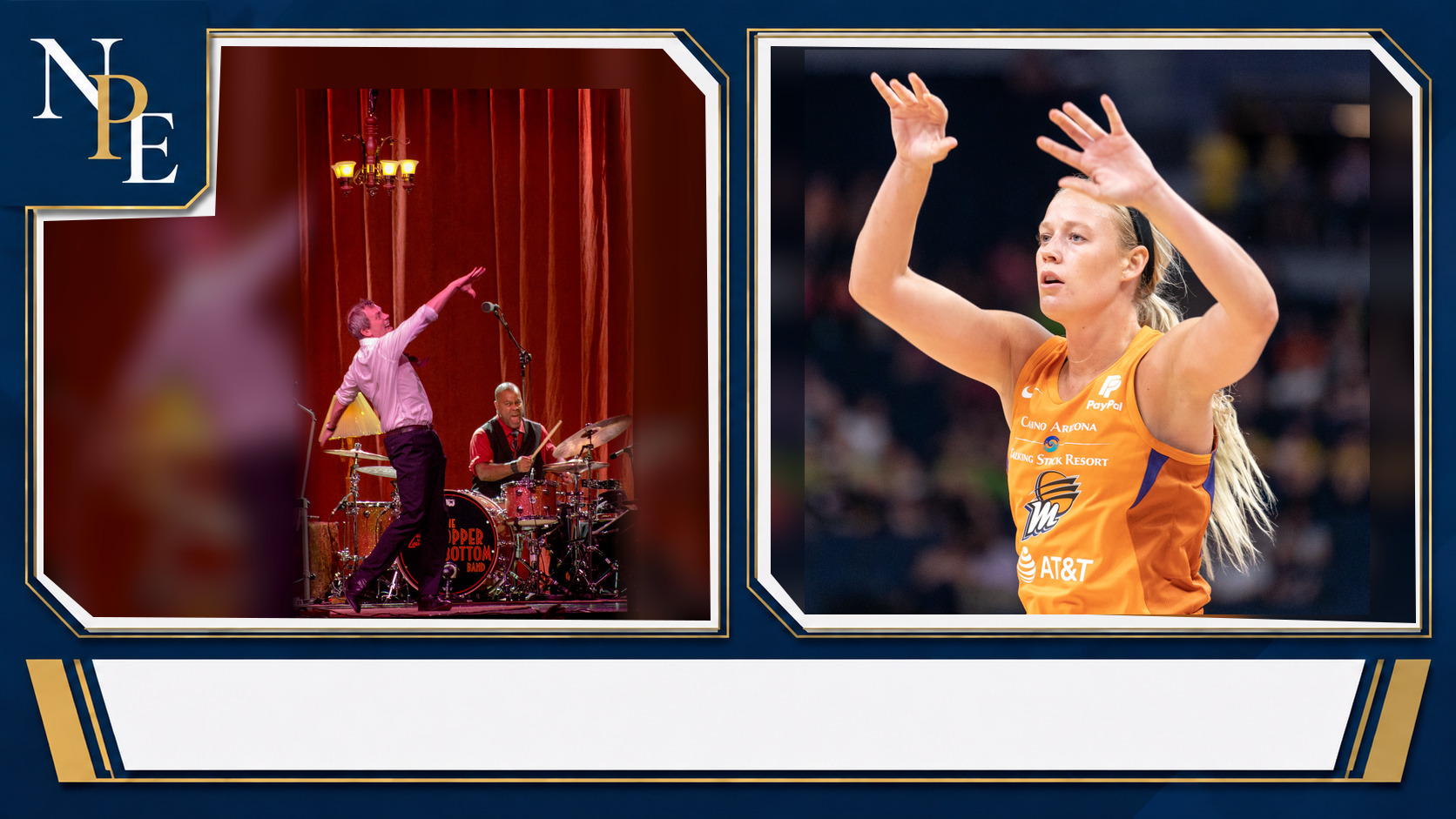
The actor’s exchange on X put him at the center of an argument that reaches far beyond one celebrity post. It also shows how quickly a short statement of support can become a test of a public figure’s relationship with fans.
Hugh Laurie publicly supported Sophie Cunningham after the WNBA player made comments opposing transgender inclusion in women’s sports, and fans reacted negatively to Laurie’s position. The House actor said on X that he supported Cunningham during an exchange reported August 11, after a post originally shared August 9 brought him into the trans sports dispute.
Laurie’s intervention matters because it moved a divisive argument from sports and politics into celebrity culture. His comments did not settle the underlying debate, but they did prompt disappointed responses from followers who saw his position as harmful to transgender people.
Laurie made his position explicit
According to PinkNews, Laurie entered the conversation while replying to an X post from writer Graham Linehan. The original post to which Laurie replied was later deleted, so its full wording and context are not available.
Laurie wrote that he did not believe men should compete against women. When Linehan urged him to state support for Cunningham more plainly, Laurie replied that he did support her.
That final response is the clearest part of the exchange. It tied Laurie directly to Cunningham’s stance, rather than leaving his view as a broad or abstract observation about sports eligibility.
It also illustrates a recurring problem with high-profile social-media disputes: the sharpest replies can remain visible after the original prompt disappears. Readers can see Laurie’s wording and the reaction to it, but cannot independently assess every part of the deleted post that set off the exchange.
Cunningham’s remarks set the stage
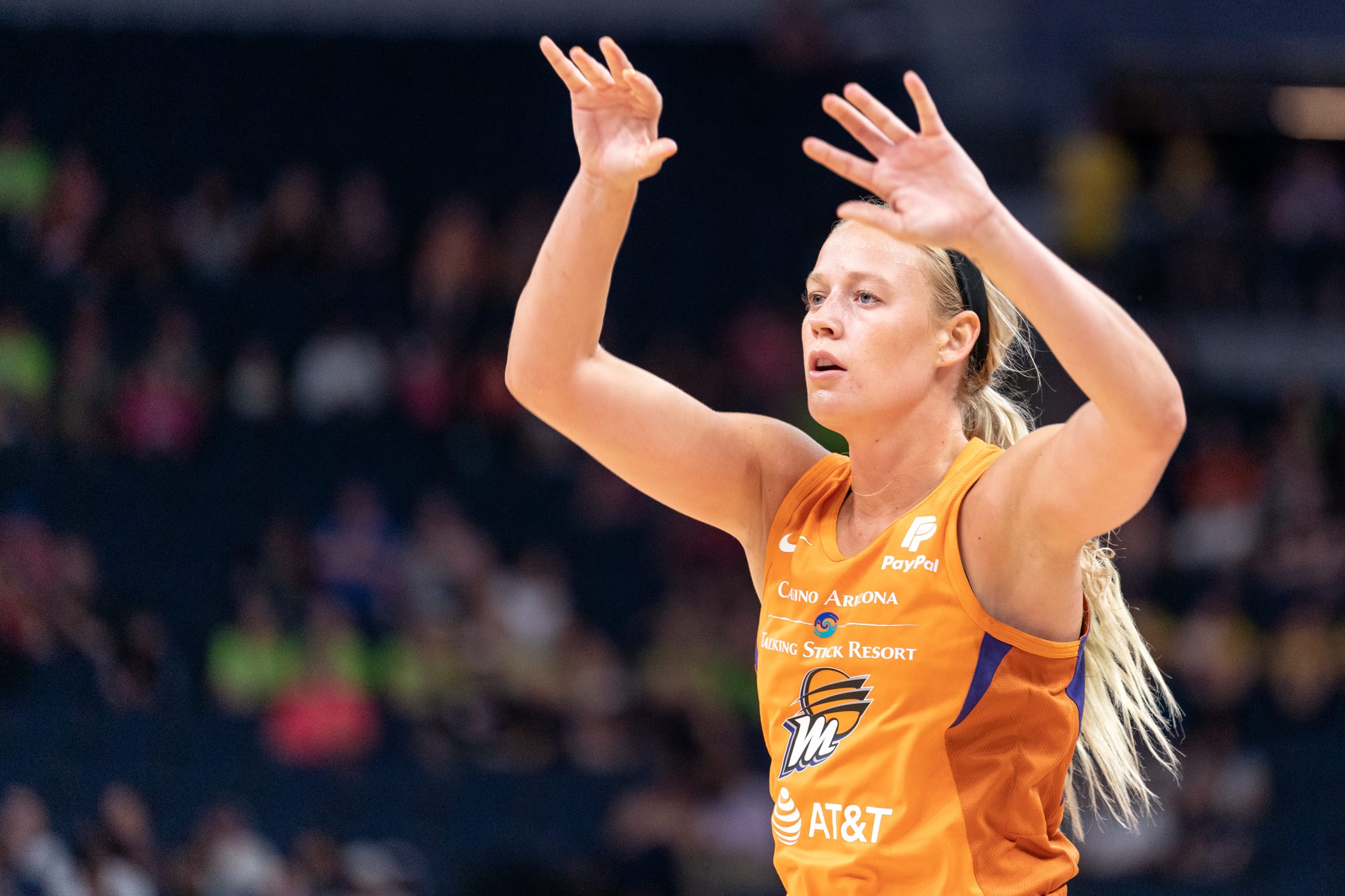
Cunningham, a guard for the Indiana Fever, had already attracted attention for comments about transgender participation in women’s sports. In an interview with ESPN cited by PinkNews, she said she had received criticism accusing her of hating trans people and rejected that characterization.
She said she wanted to extend love while also speaking what she called “truth.” Cunningham framed her position around protecting young girls in locker rooms and in sports, saying they should not have to compete against biological males.
Speaking to reporters before a game against the Connecticut Sun, Cunningham said she stood by those remarks. Her comments placed her within a larger public argument about competitive categories, youth sports, participation rules and the treatment of transgender athletes.
Her supporters tend to frame the issue around fairness, privacy and sex-based competition. Critics argue that broad claims about transgender participation flatten a complicated subject and can contribute to stigma against trans women and girls, including people who simply want access to school and community sports.
Why fans took issue with Laurie
The response reported beneath Laurie’s post was not merely disagreement over tone. Some fans said they were disappointed that an actor they associated with empathy and progressive values had aligned himself with Cunningham in this debate.
One reply quoted by PinkNews called Laurie’s position pathetic. Others expressed dismay and suggested they had expected something different from him. Those comments are not a measure of all of Laurie’s fans, but they show a visible part of the backlash his statement generated.
For public figures, an endorsement carries more weight than a casual reaction. Laurie did not just describe a general concern about women’s sports; he said he supported a named athlete whose comments had already become controversial.
That distinction helps explain why the reaction was personal. Fans who support transgender inclusion may read the endorsement as a rejection of their values, not simply a disagreement about a sporting rule.
The wording debate leaves little room
Transgender participation in sports is often argued through slogans that leave out key distinctions: elite versus recreational competition, adult versus youth leagues, and rules that differ from one governing body to another. Laurie’s exchange did not address those distinctions.
Neither did it clarify what policy he would favor, how he would define eligibility, or whether he was speaking about every level of women’s sport. His public position was limited to support for Cunningham and the view he expressed in the reply.
That limited record has not stopped wider conclusions from being drawn. Supporters of Laurie’s position may see his bluntness as a defense of female sporting categories. His critics may see the same language as treating trans women as a threat rather than as athletes and people whose circumstances require nuance.
Both reactions point to the difficulty of discussing the issue online. Social platforms reward short, forceful statements, while the questions behind those statements involve policy, medical considerations, governing bodies and the lived experience of transgender athletes.
A celebrity post becomes a values test
Laurie is best known for performances in House, Blackadder and The Night Manager, not for being a leading voice on sports policy. That is precisely why the exchange gained attention: celebrities can widen the audience for an issue even when they add little detail to the policy conversation.
Fans are also free to reassess a public figure after a political or cultural statement. The negative replies do not mean Laurie has lost universal support, but they demonstrate that celebrity goodwill can be conditional when a star enters a contentious debate.
For Cunningham, Laurie’s backing adds a famous name to a position she has said she will continue to hold. For critics of both figures, it reinforces concerns that public discussion of trans athletes is being conducted in terms they view as exclusionary.
What remains unclear after the exchange
There is no indication in the reported exchange that Laurie plans to make further comments, and the deleted original X post means a full account of how the conversation began is unavailable. It is also unclear whether Cunningham has responded to Laurie’s support.
The immediate outcome is more modest but still significant: Laurie publicly aligned himself with Cunningham, and some fans publicly objected. The larger argument over transgender participation in sport remains unresolved, with participants still divided over how fairness, inclusion and safety should be weighed.
What the episode makes clear is that a celebrity’s few lines online can become part of that wider conflict almost instantly. In this case, Hugh Laurie’s support for Sophie Cunningham turned a sports-policy dispute into a direct conversation about what some of his fans expect from him.
Leave a Reply