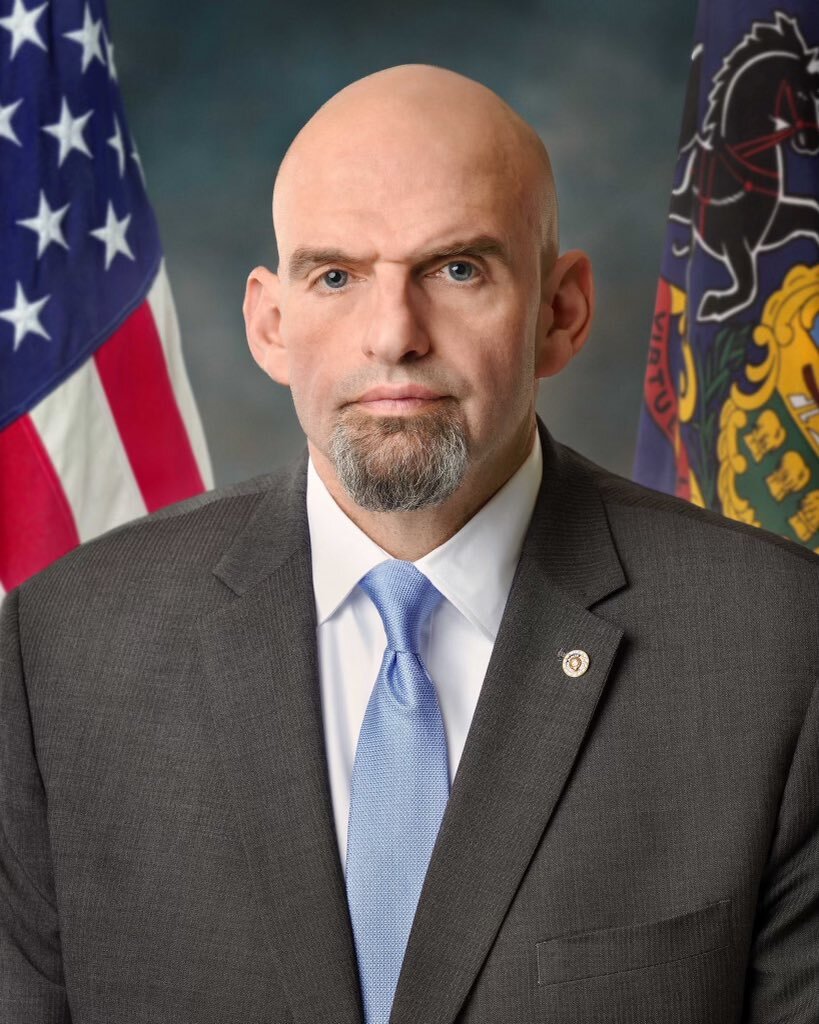
The Pennsylvania Democrat’s opposition matters because he has backed some Trump nominees before. With Susan Collins already opposed and two Republicans undecided, Blanche’s confirmation path is getting narrower.
John Fetterman plans to oppose Todd Blanche’s nomination to lead the Justice Department, and Fetterman will vote against Blanche if Senate Majority Leader John Thune brings the nomination to the floor. The Pennsylvania Democrat’s position matters because Blanche, the acting attorney general, needs Senate confirmation to serve permanently.
The problem for Thune and Senate Republicans is not just Fetterman. Sen. Susan Collins has already said no, while Lisa Murkowski and Bill Cassidy remain undecided, leaving GOP leaders with little room for error before the Senate’s August recess.
Fetterman draws a line
Fetterman laid out his position on The Weekly Show with Jon Stewart, saying he would not back Blanche for the Justice Department’s top job.
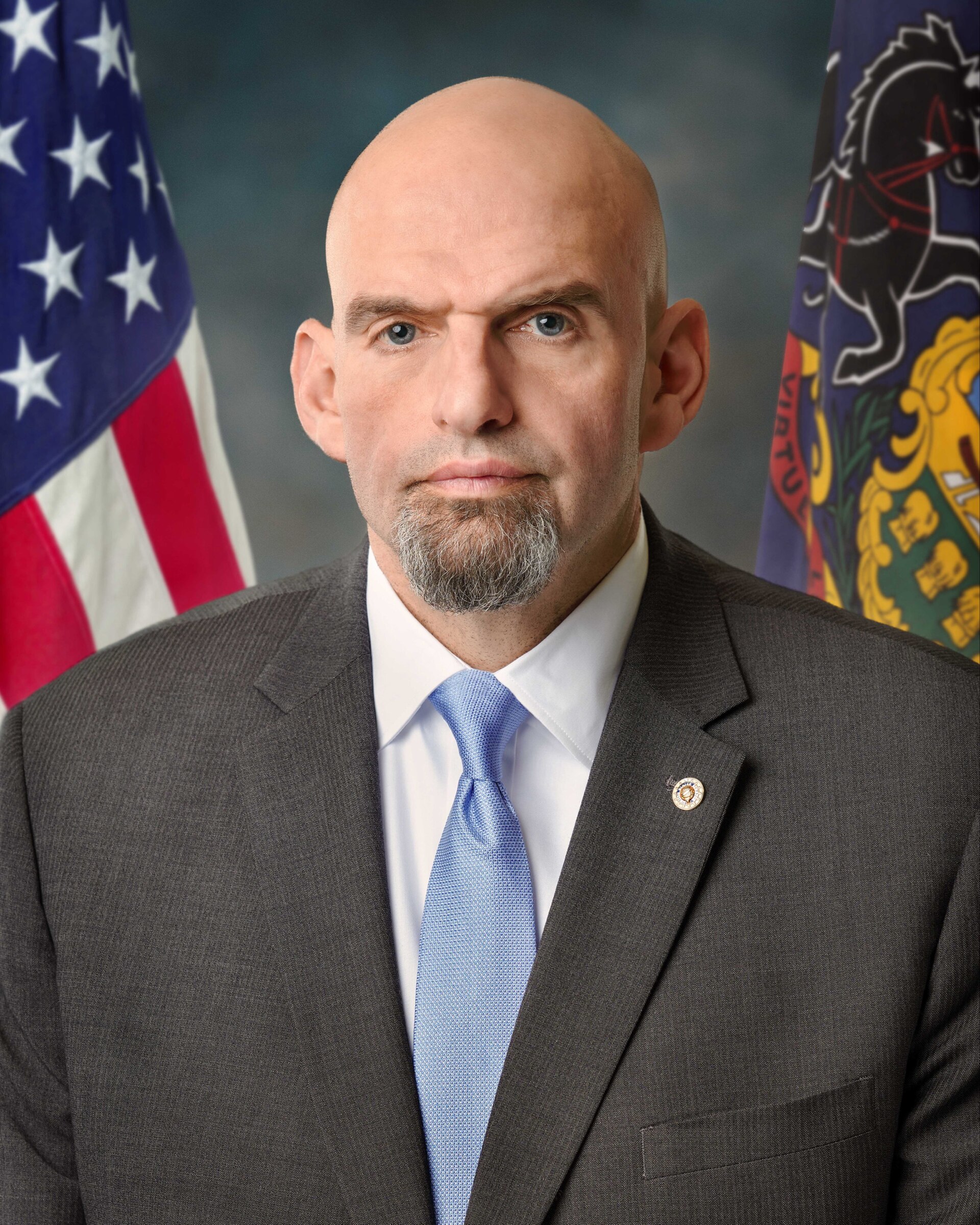
“If you’re going to bring up Blanche, I’m not going to vote for him,” Fetterman said, according to The Hill.
That is a notable marker because Fetterman has not treated every Trump executive-branch nominee the same way. He told Stewart there are nominees he would support and others he would reject because he does not believe they are right for the job.
His argument was framed less as blanket opposition to President Trump’s picks and more as a case-by-case judgment. Fetterman said he tries to “call balls and strikes,” while also criticizing former Homeland Security Secretary Alejandro Mayorkas, who served under President Biden.
Why this no vote matters
In many confirmation fights, a Democrat’s opposition to a Republican president’s nominee would be expected and not especially consequential. Fetterman’s opposition lands differently because he has built a reputation for occasionally breaking from his party’s default posture.
The Hill reported that Fetterman previously supported some Trump Cabinet picks, including Markwayne Mullin’s nomination to serve as secretary of Homeland Security. Fetterman could have blocked that nomination in committee because Sen. Rand Paul, the Republican chair of the Homeland Security Committee, voted against Mullin.
That history gave Republicans at least a reason to hope Fetterman might be gettable on Blanche. His public no closes off that possibility and puts more weight on Republicans who are still wavering.
For Thune, the question is not whether Blanche can win over Democrats broadly. It is whether he can keep enough of his own conference together, particularly with Collins already opposed and Murkowski and Cassidy still not publicly committed.
Thune’s narrowing Senate count
Thune told reporters Wednesday he remained confident Blanche would be confirmed, though he acknowledged the vote count was still being worked.
“I’m confident. We’re having conversations with the folks, the small number of people who will be undecided in this, and I’m hopeful we’ll get there,” Thune said, according to The Hill. “But, again, it’s a work in progress and we’re not there yet.”
The GOP leader said his “intention and hope” is to hold a final confirmation vote before senators leave for a five-week August recess.
The timing matters. Once the Senate leaves town, delayed nominations can become more politically exposed, especially for high-profile Justice Department posts. A stalled nomination can also give opponents more time to organize and undecided senators more time to hear pressure from both sides.
Collins is already opposed
Collins, a Maine Republican who often plays a pivotal role in close votes, announced Tuesday that she would vote no on Blanche. That immediately changed the math for Thune.
According to The Hill, Thune cannot afford to lose more than two Republican senators on the nomination. The outlet noted he is working with an effective 52-seat GOP majority while Sen. Mitch McConnell is absent for the foreseeable future because of a serious health issue.
Murkowski of Alaska and Cassidy of Louisiana are the two Republican senators publicly identified as undecided. Both have histories of weighing institutional and legal concerns carefully, which makes them important votes to watch in a Justice Department confirmation fight.
Fetterman’s opposition does not by itself defeat Blanche. But paired with Collins’s no vote, it removes one possible bipartisan cushion and makes every remaining Republican hesitation more consequential.
Blanche’s path through Justice
Blanche is not new to Senate confirmation. Senate records show Todd Blanche of Florida was confirmed as deputy attorney general on March 5, 2025, in a roll call vote on his nomination.
The current fight is different because the job is different. Leading the Justice Department permanently as attorney general carries broader authority, higher political visibility and direct responsibility for an institution often caught between law enforcement, presidential priorities and congressional oversight.
That is why confirmation fights over the attorney general can become proxy battles over the rule of law, prosecutorial independence and trust in federal law enforcement. Supporters of a nominee often emphasize executive authority and the president’s right to choose a legal team. Opponents often focus on temperament, judgment and whether the nominee can keep the department credible across party lines.
Fetterman’s comments put him squarely in the second frame. He did not present his position as a partisan reflex; he presented it as a personnel judgment.
What remains unclear
The immediate unanswered question is whether Thune has the votes he says he is confident he can secure. His public posture suggests the nomination is still alive, but his own words — “we’re not there yet” — show the whip count was not settled.
It is also unclear whether Murkowski or Cassidy will announce positions before a floor vote or keep negotiating with leadership and the White House. In close confirmation fights, senators sometimes use the final days to seek commitments, clarifications or political cover.
For Democrats, Fetterman’s no vote gives them a clearer line against Blanche without having to rely on party unity alone. For Republicans, the pressure now shifts to internal discipline: one more defection could force Thune into a much tougher final count.
The clean takeaway is that Blanche’s nomination is still moving, but the margin has tightened. Fetterman’s opposition may not be the decisive vote on its own, yet it makes Thune’s job harder at the exact moment Senate Republicans are trying to finish the confirmation before recess.
Leave a Reply