Data centers are central to the AI buildout, but communities near proposed projects are raising alarms about their costs. That local anger is now becoming a consequential issue in congressional, Senate and governor races.
Opposition to data center development is growing, and the backlash is affecting midterm races. Democratic candidates and a growing number of Republican candidates are campaigning against data centers as concern spreads over electricity prices, water use and the influence of major technology companies.
Rising data center opposition matters because the facilities behind the AI boom are increasingly visible in communities, while the political costs and benefits of approving them are becoming harder for candidates to ignore.
Local fights reach campaign ads
The political shift is visible in campaign messaging, not just zoning meetings. The New York Times reported that a Texas ad opens with a chatbot query about why an electric bill is rising, while an Ohio ad criticizes a Republican senator over the growth of data centers.
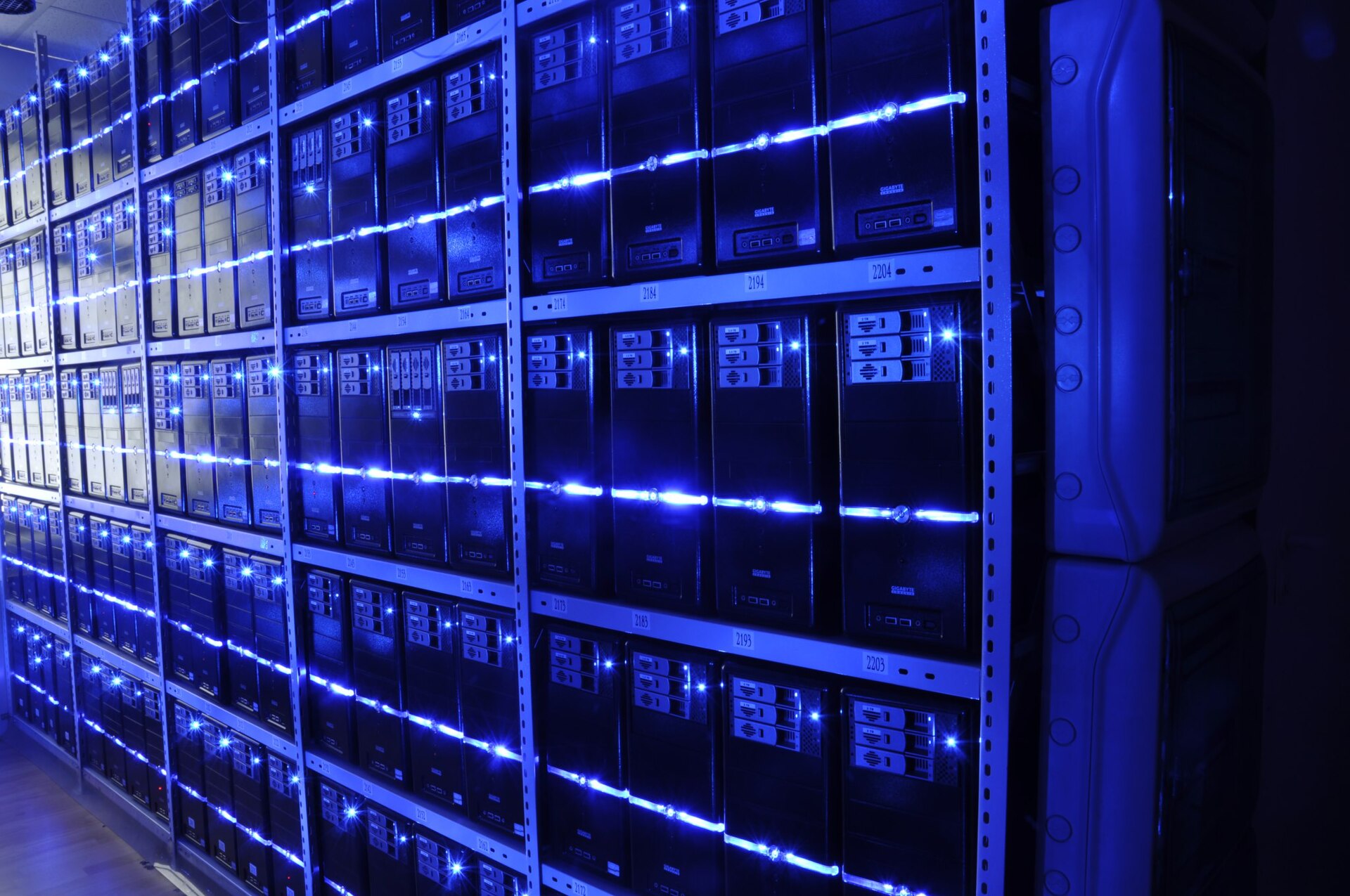
Democratic challengers in House battlegrounds in Michigan, Wisconsin and Pennsylvania have also run ads targeting the large server facilities. The emerging message is straightforward: candidates are tying a massive national technology buildout to costs voters can see at home.
That framing gives an abstract topic, artificial intelligence infrastructure, a local face. A data center may be described as essential digital infrastructure by its developer, but nearby residents may see a large industrial project, new transmission needs and uncertainty about who will ultimately pay for more power capacity.
Why power bills drive anxiety
Data centers use substantial amounts of electricity, and the rapid expansion of AI has intensified attention on where that power will come from. For households already sensitive to utility bills, a proposed facility can become an easy symbol of a system that appears to favor large companies over ordinary ratepayers.
That does not mean every increase in an electricity bill can be pinned on a data center. Utility rates reflect many factors, including fuel costs, grid maintenance, weather, generation investments and state regulatory decisions. Still, the question of whether new industrial demand requires costly grid upgrades is politically potent.
Campaigns do not need to resolve every technical element of utility planning for the issue to resonate. They need only show voters a possible connection between the projects arriving in their area and financial pressures they already feel.
The Times reported that Democrats have largely been quicker to harness anger over power costs, water use and distrust of the technology sector. Their argument is often aimed at Republicans they say have been too eager to approve projects backed by industry.
Water and land sharpen resistance
Electricity is not the only concern. Depending on their design and cooling systems, data centers can use significant water, a particularly sensitive issue in places facing drought, strained water supplies or fast population growth.
Residents also raise questions that resemble those surrounding other large-scale development: traffic during construction, noise from equipment, changes to rural or suburban land, tax incentives and the number of permanent jobs created after building is complete.
Those concerns can unite people who otherwise disagree politically. A voter may support AI innovation in principle while opposing a specific project near a neighborhood, school, farm or watershed. That is one reason data center politics can resist the usual partisan script.
Anna Greenberg, a Democratic pollster quoted by the Times, described the opposition as a bottom-up movement and said views often depend on how close people live to a facility. Proximity can turn national arguments about AI into an immediate local dispute.
Republicans face a difficult split
The issue presents a notable tension for Republican candidates. President Donald Trump has strongly supported the AI industry, and party leaders have warned that slowing data-center construction could hurt economic growth and U.S. competitiveness with China.
Yet some Republican candidates have begun voicing skepticism about data centers, according to the Times. That response reflects a practical electoral reality: voters unhappy with a project in their community may not share Washington’s enthusiasm for a national race to build AI capacity.
Democrats face their own balancing act. They can criticize developers and demand stronger protections, but they also must contend with the economic-development case for projects that can bring construction work, tax revenue and related infrastructure investment.
The result is less a clean partisan divide than a contest over conditions. Candidates may support data centers in theory while arguing for tougher utility rules, water safeguards, local review or limits on public subsidies.
The AI debate gets tangible
For years, many discussions about artificial intelligence have centered on jobs, misinformation, privacy and the power of technology companies. Data centers add a physical dimension: warehouses full of computing equipment that need land, power lines, cooling and permits.
That visibility creates a new opening for political campaigns. Instead of debating AI only as a future technology, candidates can point to a proposed building, a transmission project or a utility bill and argue that public policy should determine who bears the burden.
Critics see the facilities as evidence that powerful companies are moving quickly while local communities are asked to absorb the consequences. Supporters counter that the infrastructure is necessary for economic growth, scientific research, cloud services and the country’s technological position.
Neither side can simply dismiss the other. AI infrastructure requires real-world resources, but broadly blocking construction could also constrain industries and services that increasingly rely on computing capacity.
What voters will be watching
The key question in the midterms is whether concern about data centers remains concentrated around individual projects or becomes a broader voting issue. The Times described the backlash as an unusually fast-moving force in races for the House, Senate and governor’s offices.
Its strength may vary sharply by location. A candidate in an area with no planned facility may find the issue remote; a candidate facing a contentious permitting fight or a debate over grid investment may find it unavoidable.
Voters will likely hear competing claims about jobs, tax revenue, energy reliability, consumer utility costs, water use and national competitiveness. The most consequential campaigns may be those that move beyond simple support or opposition and explain who pays, who benefits and what protections would be required.
Data centers were built to operate largely out of sight. In this election cycle, their physical footprint is putting them squarely into public view.
Leave a Reply