
The dispute reaches beyond tariff rates, with autos, metals and consumer goods exposed to rising costs. Competing accounts of the failed talks could also make a return to negotiations more difficult.
Canada plans to retaliate against new U.S. tariffs after Canada and the United States failed to reach a trade deal. Prime Minister Mark Carney says the failed talks are worsening relations between the two countries, as 50% U.S. tariffs on some Canadian goods affect about $20 billion in Canadian exports and place Canadian industries and cross-border supply chains under pressure.
Canada’s proposed response is meant to answer the U.S. measures “dollar for dollar.” But the immediate question is not just which goods Ottawa might target. The wider challenge is whether a dispute touching cars, metals, lumber and consumer products can be contained before it further damages a relationship built on deeply linked production and trade.
Tariffs arrive without a deal
The United States imposed 50% tariffs on some Canadian goods after negotiations failed to avert the new levies. Carney said Canada would respond to protect Canadian workers and businesses, using the U.S. administration’s calculation that the measures affect roughly $20 billion in Canadian exports.
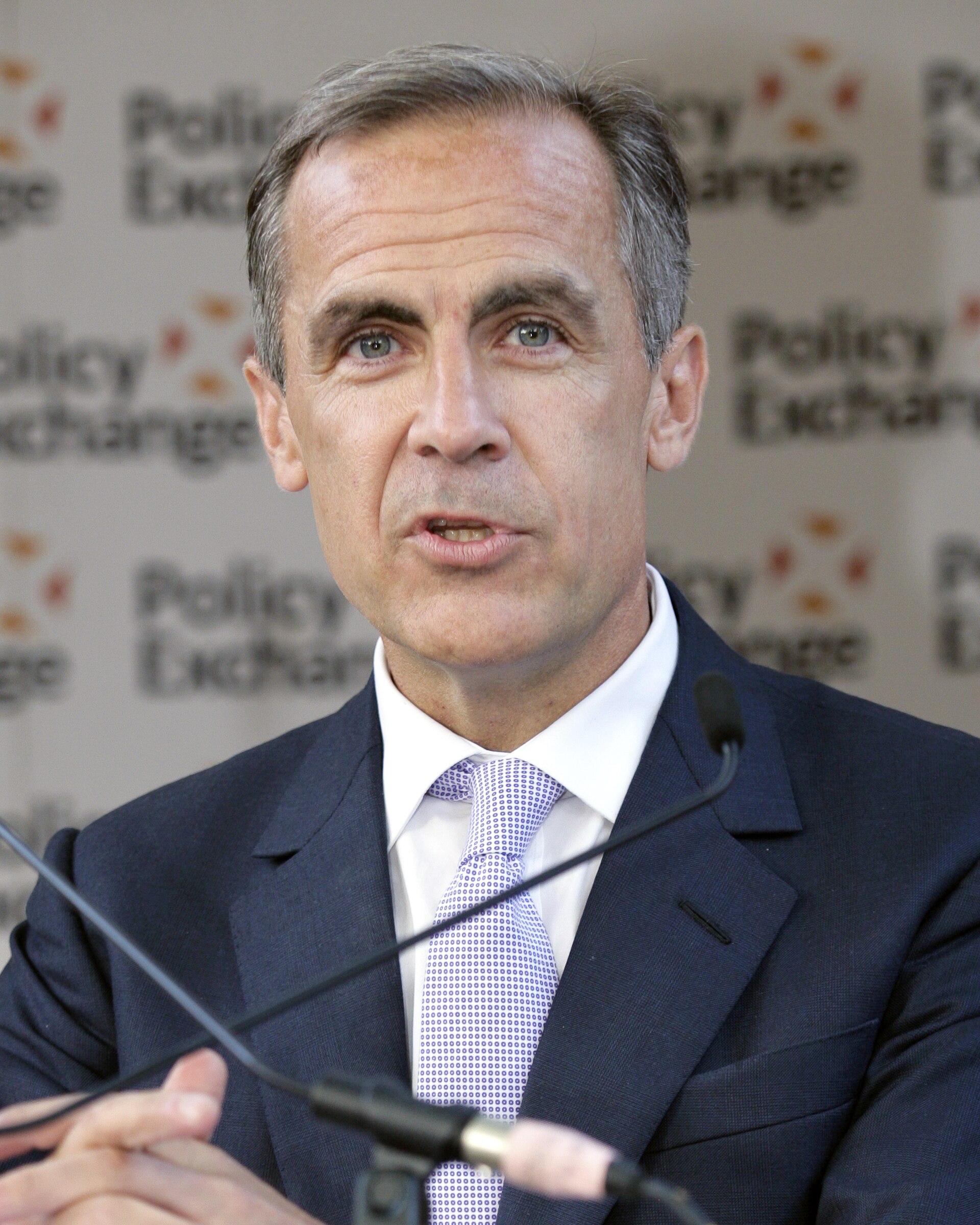
U.S. Customs and Border Protection issued guidance to importers indicating that designated Canadian products would face the duties. Canada has said it will counter with retaliatory tariffs, though the specific U.S. products that could be targeted and the timing of any countermeasures remain unclear.
Retaliatory tariffs are designed to impose a cost on the country that imposed the initial duty, creating leverage for a possible settlement. Yet they can also lift prices for domestic businesses and consumers when imported inputs or products have few readily available replacements.
Two governments blame each other
Carney said he suspended the talks after the U.S. side introduced last-minute terms that called into question whether an agreement would be reliable. His account portrays Canada as rejecting an arrangement that could have left it exposed to continuing tariffs and uncertain commitments.
U.S. Trade Representative Jamieson Greer presented a sharply different version. Greer said Canada declined to finalize a deal under terms agreed earlier in the week, accusing Canadian negotiators of adding demands and stepping back from previous commitments.
Those opposing accounts matter because the impasse is not presented simply as a disagreement over one tariff rate. Each government is publicly suggesting the other cannot be relied upon to complete or honor a negotiated settlement, a dynamic that makes a quick reset politically harder.
The dispute has therefore moved beyond the technical details of market access. Both sides are framing the collapse as evidence that the other side caused the breakdown, raising the stakes for any renewed negotiations.
Autos expose the supply-chain risk
Automobiles are among the most difficult issues because Canadian and U.S. auto production is closely intertwined. Vehicle parts can cross the border several times before a finished car reaches a dealer, meaning a tariff at one point in the process can add costs across the chain.
People briefed on the negotiations told The New York Times that one proposed arrangement would have reduced U.S. tariffs on Canadian autos to 15% from 25%, with adjustments tied to U.S. content. Executives and analysts cited in that report said the result could still have made Canadian production unprofitable.
That helps explain why a partial agreement was not necessarily an easy political or commercial answer. A lower duty could still leave manufacturers facing enough uncertainty and expense to change investment decisions, supplier relationships or future production plans.
The same concern reaches beyond automaking. When companies build supply systems around repeated cross-border movement, the costs of a trade fight are not limited to the goods named in a tariff schedule.
Metals and lumber remain contested
Steel and aluminum were also major obstacles. Canada sought relief from tariffs of up to 50% on the metals, while proposals discussed in the talks would have reduced some rates but retained significant barriers, including limits on the volume eligible for a lower rate.
Softwood lumber, meanwhile, remains part of a much older pattern of Canada-U.S. trade friction. The failed negotiations leave that longstanding disagreement unresolved while introducing fresh uncertainty for exporters, buyers and companies that depend on cross-border materials.
Consumer goods could also feel the impact as the conflict widens. Tariffs can be a negotiating tool, but manufacturers, retailers and households often bear disruption long before governments reach a final agreement.
Domestic politics constrain both sides
Canada entered the talks seeking to reduce or eliminate U.S. tariffs while defending industries central to employment and regional economies. Ontario Premier Doug Ford, whose province has a large auto sector, supported Carney’s decision to reject an agreement he considered inadequate.
Polling cited by The New York Times found that 56% of respondents in a Léger survey opposed additional Canadian trade concessions. That does not eliminate the economic cost of retaliation, but it gives Ottawa a domestic argument for a tougher stance rather than a deal that leaves lasting tariffs in place.
The United States had its own objectives, according to the report: ending provincial restrictions on American wine and spirits, removing Canada’s retaliatory tariff on U.S. cars and changing Canadian dairy market access.
Supporters of a harder U.S. line can view tariffs and market-access demands as ways to seek better terms for American producers. Critics argue that penalizing a major trading partner can harm U.S. manufacturers reliant on Canadian inputs and invite countermeasures against American exports.
The next escalation is undefined
Canada and the United States work together on defense, energy, border management and continental manufacturing. That makes this trade conflict more consequential than a narrow customs dispute: a prolonged fight can affect corporate decisions about plants, contracts, suppliers and cross-border investment.
For now, Canada has not specified its retaliatory list or when the measures would begin. It is also unclear whether the two sides have a workable route back to negotiations after the public exchange of blame.
U.S. officials indicated that President Donald Trump could be offered options to respond if Canada acts. Canada’s planned tariff response is intended to show it will not absorb the new U.S. measures without imposing a cost of its own; whether that produces leverage for a deal or a longer trade conflict depends on whether both governments conclude that the economic damage outweighs the political value of holding their positions.
Leave a Reply