
The canceled meeting does not end California’s challenge to Paramount’s proposed Warner Bros. Discovery acquisition. It does show how quickly confidential settlement efforts can become another front in a high-stakes antitrust fight.
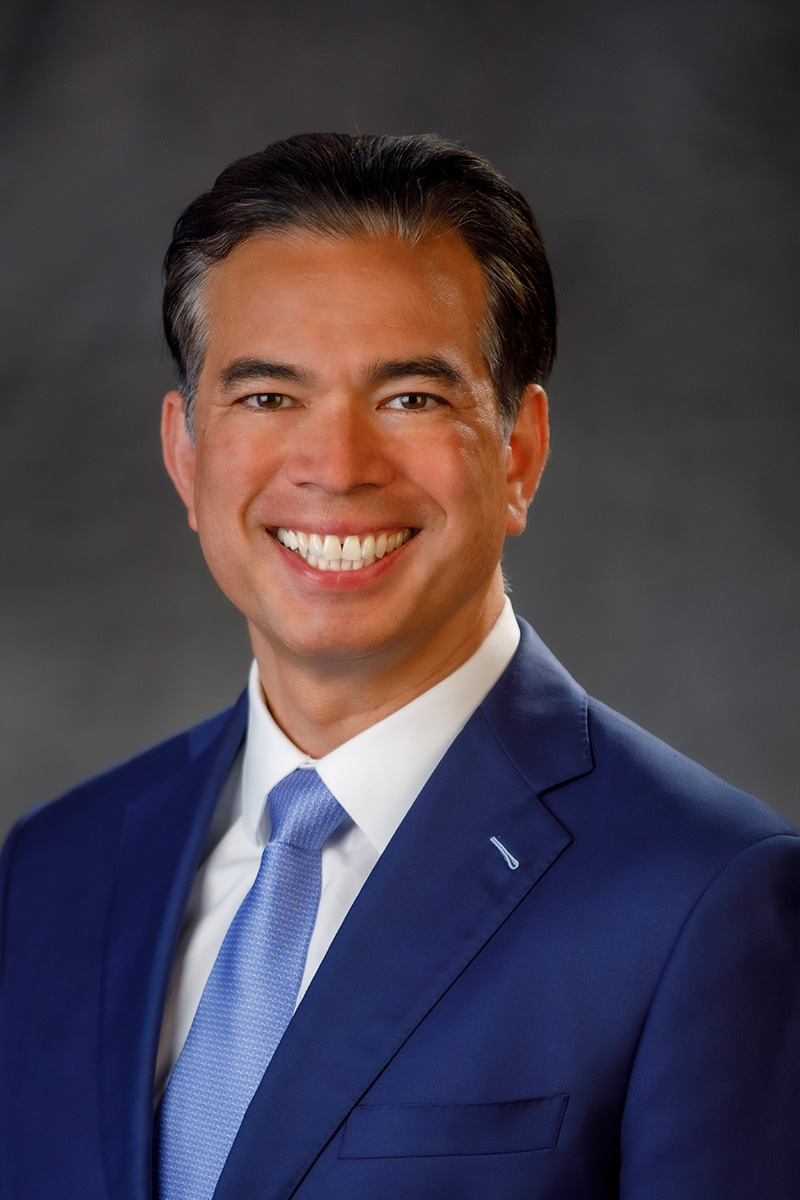
California Attorney General Rob Bonta called off settlement talks with Paramount on Monday and accused the company of “playing games” as California pursues an antitrust lawsuit seeking to block Paramount Skydance’s proposed acquisition of Warner Bros. Discovery. The canceled Paramount settlement talks were meant to begin addressing a challenge to the $111 billion deal.
Bonta says Paramount leaked and misrepresented earlier discussions, undermining good-faith negotiations. Paramount disputes that it was responsible for publicizing confidential talks and says it remains willing to seek a resolution with the attorneys general.
A meeting canceled before it began
The meeting had been scheduled for Monday as an initial discussion about a possible settlement between California and Paramount. According to reporting by The New York Times, Bonta called it off late Sunday after the sides had met on Friday.
This was not described as a final bargaining session or a meeting guaranteed to produce a deal. It was a preliminary step, but it carried importance because it suggested the state and company might begin testing whether their dispute could be resolved outside a prolonged court fight.
California is one of 12 states that sued to block Paramount’s proposed Warner Bros. Discovery acquisition. The states’ challenge places a major obstacle in front of a transaction valued at $111 billion, a scale that would reshape parts of the film, television and streaming business.
Bonta’s complaint is about trust
Bonta’s objection was not simply that negotiations had failed to produce an agreement. He alleged that Paramount disclosed the purported substance of confidential settlement discussions and presented those talks inaccurately.
“Not only did Paramount leak the alleged substance of settlement discussions, but they misrepresented these discussions, demonstrating a lack of good faith,” Bonta said in a statement provided to The New York Times.
He added that his office would be willing to meet again if Paramount stopped “playing games” and engaged sincerely. That phrasing leaves room for talks to resume, but it also makes clear that California is demanding a reset in how any future discussions are handled.
Settlement negotiations often depend on parties being able to speak candidly about possible compromises without having every proposal become a public pressure campaign. Bonta’s allegation, if unresolved, could make that kind of candid exchange harder.
Paramount rejects the accusation
Paramount has pushed back on Bonta’s account. A company spokeswoman said Paramount was not responsible for sharing information about the confidential discussions.
In its statement, Paramount said it shared Bonta’s concerns about public discussion and misreporting around the transaction. The company said it remained hopeful that good-faith talks could continue and that a resolution would allow it to move ahead with plans it says would increase competition and output for talent and entertainment workers.
The two positions are sharply different. California says disclosures and alleged mischaracterizations show bad faith; Paramount says it did not cause the disclosure problem and is still prepared to negotiate.
Neither account, based on the public statements reported so far, settles who was responsible for information becoming public or precisely what was said in the earlier meeting. That unresolved factual dispute is now part of the broader merger fight.
The lawsuit remains the central fight
The canceled meeting does not dismiss California’s case, approve the acquisition or automatically end prospects for a settlement. It means the planned opening conversation did not happen on schedule.
At issue is California’s effort, alongside 11 other states, to stop the transaction on antitrust grounds. The states are seeking to prevent Paramount from acquiring Warner Bros. Discovery, whose assets include major movie, television and streaming businesses.
Antitrust challenges to large media transactions commonly focus on whether combining companies could reduce competition, give a merged firm too much leverage, or harm consumers, workers, suppliers or rival businesses. The specific claims and potential remedies in this case will ultimately be tested through the legal process unless the parties reach a deal.
A settlement, if talks restart and succeed, could theoretically involve changes to the transaction or commitments intended to address regulators’ concerns. No agreement has been announced, and the reported Monday meeting was only expected to be preliminary.
Why California’s stance matters
California has unusual weight in a dispute involving entertainment companies because of the state’s central role in the film and television economy. Its attorney general’s office is also among the coalition challenging the deal, making its willingness to negotiate consequential for Paramount.
The possibility of talks had been viewed as a meaningful development after Paramount threatened to leave California and Gov. Gavin Newsom expressed a preference for settling the case, according to The New York Times. The cancellation shows that a public appetite for a settlement does not eliminate the practical problem of getting opposing sides to trust the process.
For Paramount, reopening a channel with California could help reduce uncertainty around a deal facing multistate opposition. For Bonta’s office, insisting on confidential and accurate negotiations is a way to protect its leverage and signal that settlement discussions cannot become a substitute for litigation strategy.
There is also a wider lesson for corporate dealmaking: a merger can be contested in court, in regulatory filings and in public messaging at the same time. When those tracks collide, even a meeting meant to lower the temperature can become a new point of conflict.
What happens after the canceled talks
Bonta’s statement did not close the door permanently. His office said it would be happy to meet again if Paramount engaged sincerely, while Paramount said it stands ready to continue good-faith discussions.
That leaves several open questions: whether either side will seek a new meeting, what assurances California would want before returning to the table, and whether the dispute over the alleged leak will deepen or fade.
For now, the clearest outcome is procedural rather than final. California’s lawsuit over Paramount’s proposed Warner Bros. Discovery acquisition remains active, but a potentially useful opening for settlement has been postponed by an argument over how the negotiations themselves were conducted.
Leave a Reply