
The filing puts an extraordinary new layer of pressure on the judge handling a major challenge to the Trump administration’s deportation policy. It also revives a basic question: where is the line between judicial oversight and political retaliation?
On July 28, 2025, the Justice Department filed a misconduct complaint against U.S. District Judge James E. Boasberg after Attorney General Pam Bondi said she directed the action over his alleged public comments about Donald Trump and his administration. Boasberg has clashed with the Trump administration over deportations to a prison in El Salvador, making the complaint a major escalation in an already volatile court fight.
The conduct described by critics as “truly frightening” centers on the administration’s accusation that Boasberg crossed a line by discussing fears of a constitutional crisis. The judge, meanwhile, has questioned whether officials complied with his order concerning flights headed to El Salvador.
What the complaint alleges
According to the complaint, Boasberg made remarks in March during a meeting involving Chief Justice John Roberts and other federal judges. The Justice Department alleged that he said the administration could cause a constitutional crisis by disregarding federal court rulings.
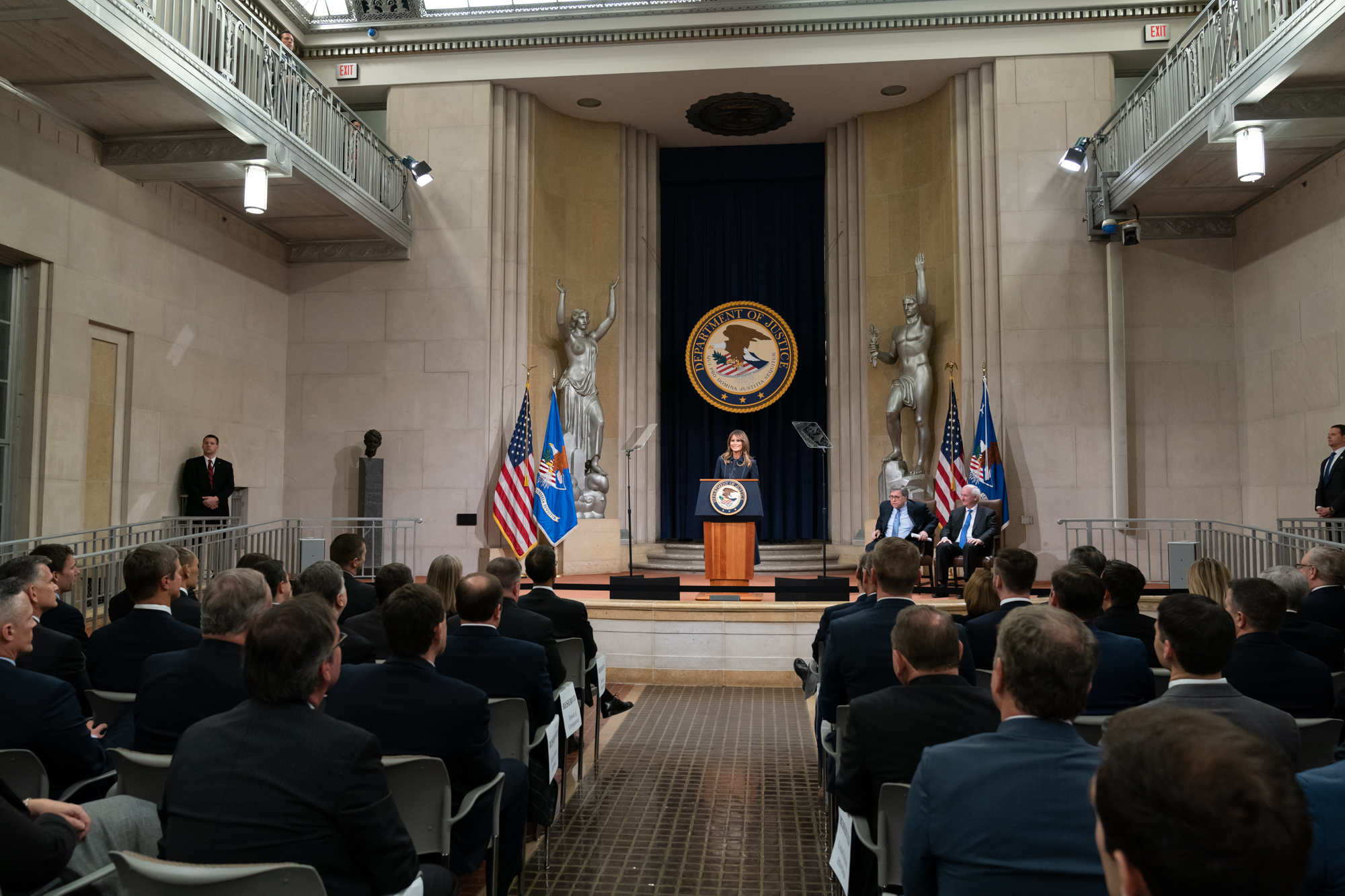
Bondi said the filing concerned what she called improper public comments about Trump and his administration. The complaint argues that the reported remarks damaged the judiciary’s integrity and impartiality.
Those are allegations in an administrative judicial complaint, not a finding that Boasberg committed misconduct. The reported comments came from a memo said to summarize a meeting of the Judicial Conference, the federal judiciary’s governing body. Its meetings are not public.
The deportation case behind it
The dispute cannot be separated from Boasberg’s handling of challenges to deportation flights carried out under wartime authorities in an 18th-century law. The Trump administration used those authorities in connection with the removal of Venezuelan migrants.
Days after the meeting cited in the complaint, Boasberg ordered that flights bound for El Salvador be stopped. His verbal direction included turning around planes that were already en route.
The flights continued, according to the account of the litigation. Boasberg later found probable cause to believe the administration had committed contempt of court, a serious preliminary determination that keeps the central compliance dispute alive.
The administration has maintained that it complied with court orders. That assertion is at the heart of the conflict: the executive branch says it followed the law, while the judge has pressed for answers about whether his directive was honored.
Why El Salvador became central
More than 250 Venezuelans were sent to El Salvador’s Terrorism Confinement Center, widely known as CECOT, in the deportation operation at issue. The prison has become a symbol of the administration’s aggressive approach to immigration enforcement.
Later in July, those Venezuelans were sent back to Venezuela under an arrangement that also freed 10 U.S. citizens and permanent residents who had been held there. Their return did not end the court case over the original flights or the government’s response to Boasberg’s order.
That distinction matters. A change in where people are held does not automatically resolve whether government officials followed a judicial order when the flights departed.
A complaint with unusually broad demands
The Justice Department’s filing asks for an investigation and seeks reassignment of the deportation case while an inquiry is pending. It also requests sanctions if the allegations are substantiated, including a possible recommendation that Boasberg be impeached.
The complaint was filed with Judge Sri Srinivasan, the chief judge of the U.S. Court of Appeals for the District of Columbia Circuit. That starts a judicial-conduct process; it does not itself remove Boasberg from office or decide the underlying deportation litigation.
Requests for impeachment carry particular political weight, but federal judges can be removed only through impeachment by the House and conviction by the Senate. A misconduct complaint is a separate process with its own review steps and possible outcomes.
The larger fight over judges
Trump had already called for Boasberg’s impeachment. Roberts responded publicly at the time, saying disagreement with a judicial decision should be addressed through the normal appellate process rather than calls to impeach a judge.
That rare intervention underscored how sharply the case had moved beyond a routine legal disagreement. The present complaint puts the administration’s criticism of Boasberg into a formal channel while the judge continues to oversee the underlying dispute.
Supporters of the Justice Department’s position may argue that judges must avoid remarks that could create an appearance of prejudgment or political bias. Critics are likely to see the complaint as pressure directed at a judge who challenged the administration’s conduct in a high-profile case.
Both concerns speak to judicial legitimacy, but they point in opposite directions: one toward strict limits on judges’ public statements, the other toward preserving judicial independence when courts review executive power.
What remains unresolved
It is not yet clear how the complaint will be handled, whether investigators will substantiate any allegation, or whether Boasberg’s deportation case will be reassigned. The available reporting does not establish a final ruling on the claims against him.
It is also unresolved whether the administration’s handling of the flights will lead to further consequences in the contempt matter. Boasberg’s probable-cause finding was not the final word on contempt, but it signaled that the court viewed the compliance questions as substantial.
The immediate takeaway is that the dispute now runs on two tracks. One concerns the legality of the El Salvador deportations and the government’s response to a court order. The other concerns whether the judge who scrutinized those actions violated standards meant to protect the appearance and reality of an impartial federal judiciary.
Leave a Reply