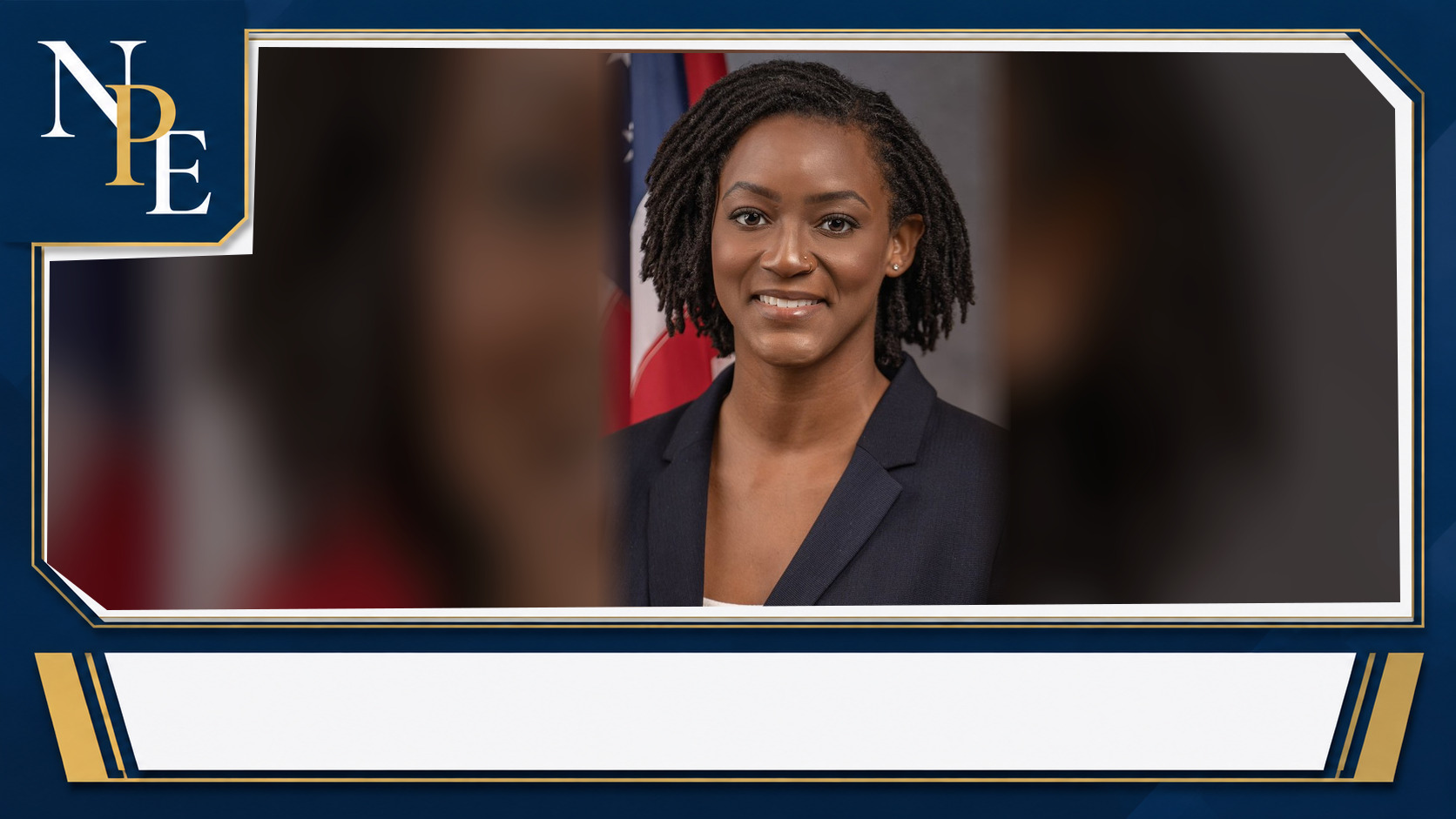
Nixon’s rejection of the socialist label puts a familiar campaign question in focus: how much should an organization’s name define an individual candidate? Her answer is likely to keep attention on ideology, affiliation and the policies she intends to champion.
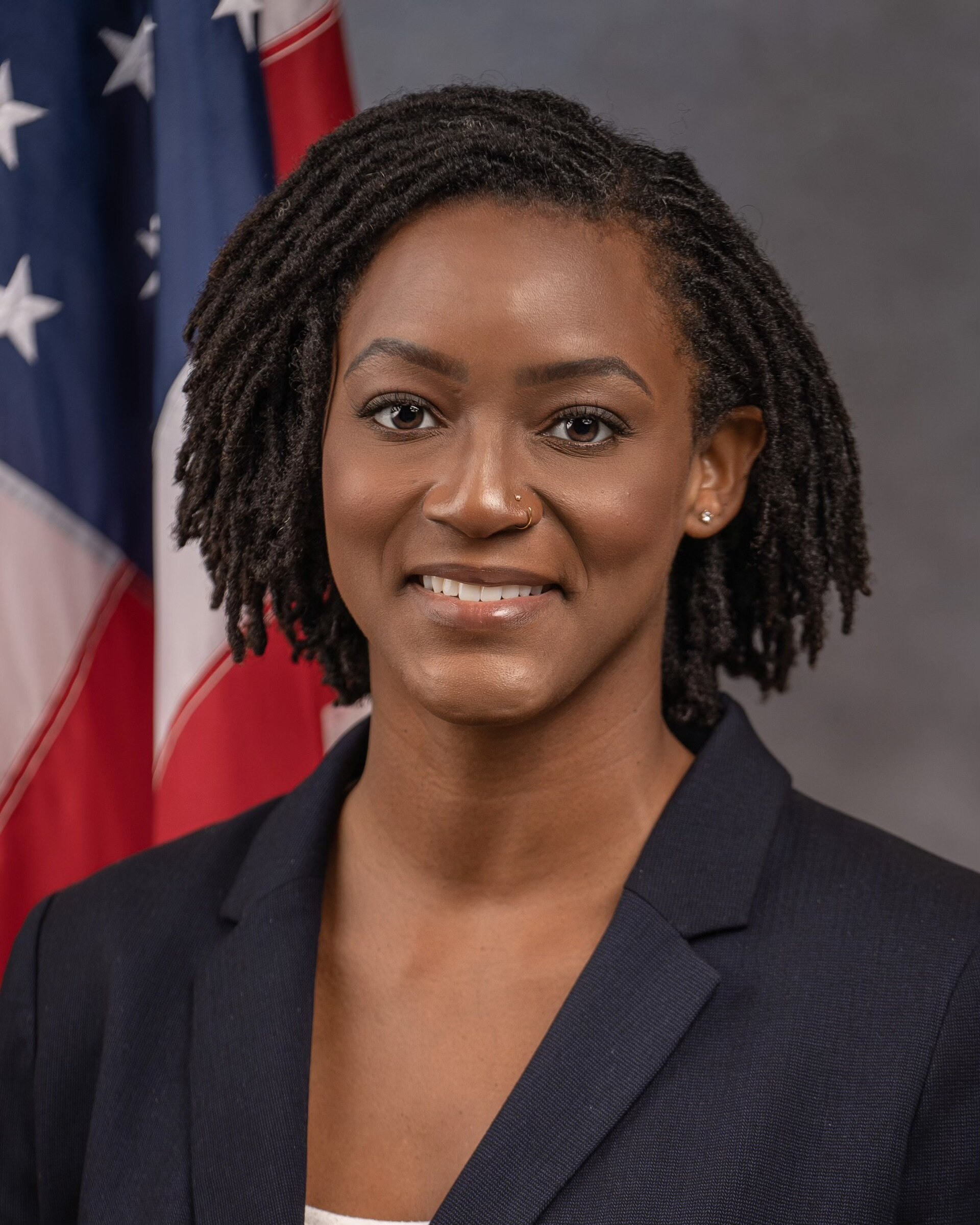
Angie Nixon, a Florida Democratic Senate nominee, insists that she is not a socialist even after joining the Democratic Socialists of America, or DSA. The tension between Nixon’s DSA membership and her rejection of the socialist label is now central to how her Florida Senate campaign will be read by supporters, critics and voters who may attach very different meanings to the word.
Nixon’s position, highlighted in recent NBC News coverage, draws a line between an organizational affiliation and a personal political identity. It also raises a practical campaign question: can a candidate embrace a group associated with democratic socialism while asking voters not to treat that affiliation as a complete description of her views?
Nixon’s statement draws a line
The clearest point is Nixon’s own: she says she is not a socialist. That is not the same as denying that the Democratic Socialists of America uses the word “socialists” in its name, or that opponents may use the affiliation to characterize her politics.
It is, instead, an effort to define herself on her own terms. Candidates routinely face pressure to accept labels that compress a complex record, coalition or set of policy preferences into one politically charged word.
For Nixon, the challenge is especially immediate because the DSA affiliation creates an obvious contrast between the organization’s name and her personal description. Her response suggests she does not regard membership as a declaration that every ideological label attached to the group applies to her.
Why the DSA name matters
The Democratic Socialists of America is a political organization whose name makes it unusually easy to turn affiliation into campaign shorthand. For many voters, “socialist” is a specific ideological identity. For others, it is a broad and often imprecise label used in arguments over taxes, health care, labor policy, housing and the role of government.
That gap is the heart of Nixon’s argument. Joining an organization can signal shared interests, preferred priorities or a desire to work with a political network; it does not automatically settle every question about how an individual member describes their ideology.
Critics may see the distinction as hard to sustain because DSA is not a neutral-sounding civic group. Supporters may view Nixon’s answer as a reasonable reminder that voters should judge a candidate by her stated platform and record rather than by a single affiliation.
Labels can eclipse policy debates
Political labels are powerful because they save time. They also risk obscuring more than they reveal. A voter can hear “socialist,” “moderate,” “progressive” or “conservative” and assume a detailed set of positions without examining what a candidate has actually proposed.
That is why Nixon’s language matters beyond one television exchange. If the campaign becomes chiefly a debate over whether she fits a label, the discussion may move away from the policies she says would address Florida’s costs, services, wages or other state concerns.
At the same time, ideological identity is not irrelevant. Voters reasonably weigh the groups candidates join, the coalitions they build and the language they use. Nixon’s membership and her stated self-description are both relevant facts; neither, on its own, supplies a full account of her politics.
Florida gives the dispute weight
In a Florida Senate contest, national ideological language can carry particular force. Candidates and outside groups often seek quick ways to frame opponents, and the term “socialist” has long been used as both a self-description by some on the left and an attack line from the right.
Nixon’s insistence may be aimed at preventing her opponents from defining her before she can define her agenda. But it also places an obligation on her campaign to make the distinction understandable: what does DSA membership mean to her, and what does it not mean?
The available source material establishes Nixon’s statement and her DSA membership, but it does not provide a detailed explanation of when she joined, what role she holds in the organization, or a complete list of policies she connects to that decision. Those details would help voters assess the practical significance of the affiliation.
The debate will turn on specifics
Nixon’s assertion does not end the dispute; it establishes the terms of it. Her critics are likely to point to DSA membership as evidence of a broader ideological commitment. Nixon and her supporters are likely to argue that her policies, not a label assigned by opponents, should be the measure.
The most useful next step for the campaign is specificity. Nixon can explain which priorities led her to join DSA, where her views overlap with the organization’s and where they may differ. Her rivals can challenge those answers, but voters will have more to work with than a contest over terminology.
For now, the verified takeaway is narrow but meaningful: Nixon has joined the Democratic Socialists of America and says she is not a socialist. The political fight will be over whether Florida voters accept that distinction—and whether the campaign can keep the focus on the governing choices behind the label.
Leave a Reply