A fight once framed around military sites is now pressing into ports, bridges and energy systems. The stakes reach from Gulf capitals to the global oil market.
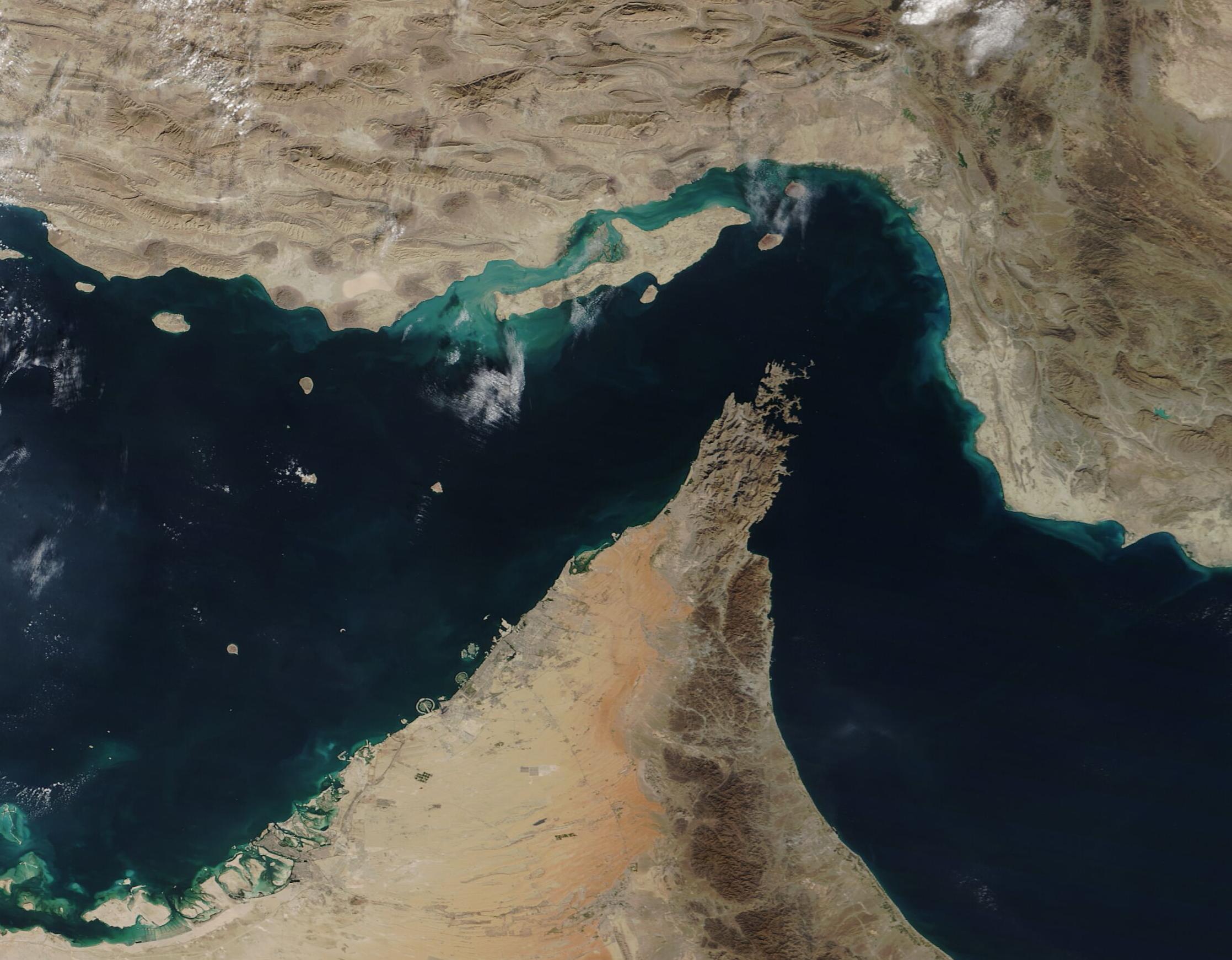
The United States and Iran are exchanging strikes across the Middle East, with the U.S. military and Iranian forces hitting infrastructure and military targets as the US and Iran escalate strikes in a widening confrontation. The conflict is intensifying around the Strait of Hormuz, where control of shipping lanes, ports, bridges and surveillance sites now sits at the center of the fight.
This article explains the escalating military conflict and its regional consequences: oil prices, shipping risks, wounded troops and civilians, and the growing danger that nearby countries such as Kuwait, Bahrain and Qatar become regular targets rather than bystanders.
Infrastructure is now the battlefield
The latest phase of the conflict appears to be moving beyond traditional military targets. According to the Associated Press, the U.S. hit bridges in Iran’s southern Hormozgan province and struck a tower at Chabahar port on the Gulf of Oman, while Iran fired missiles and drones at sites across the Gulf region.
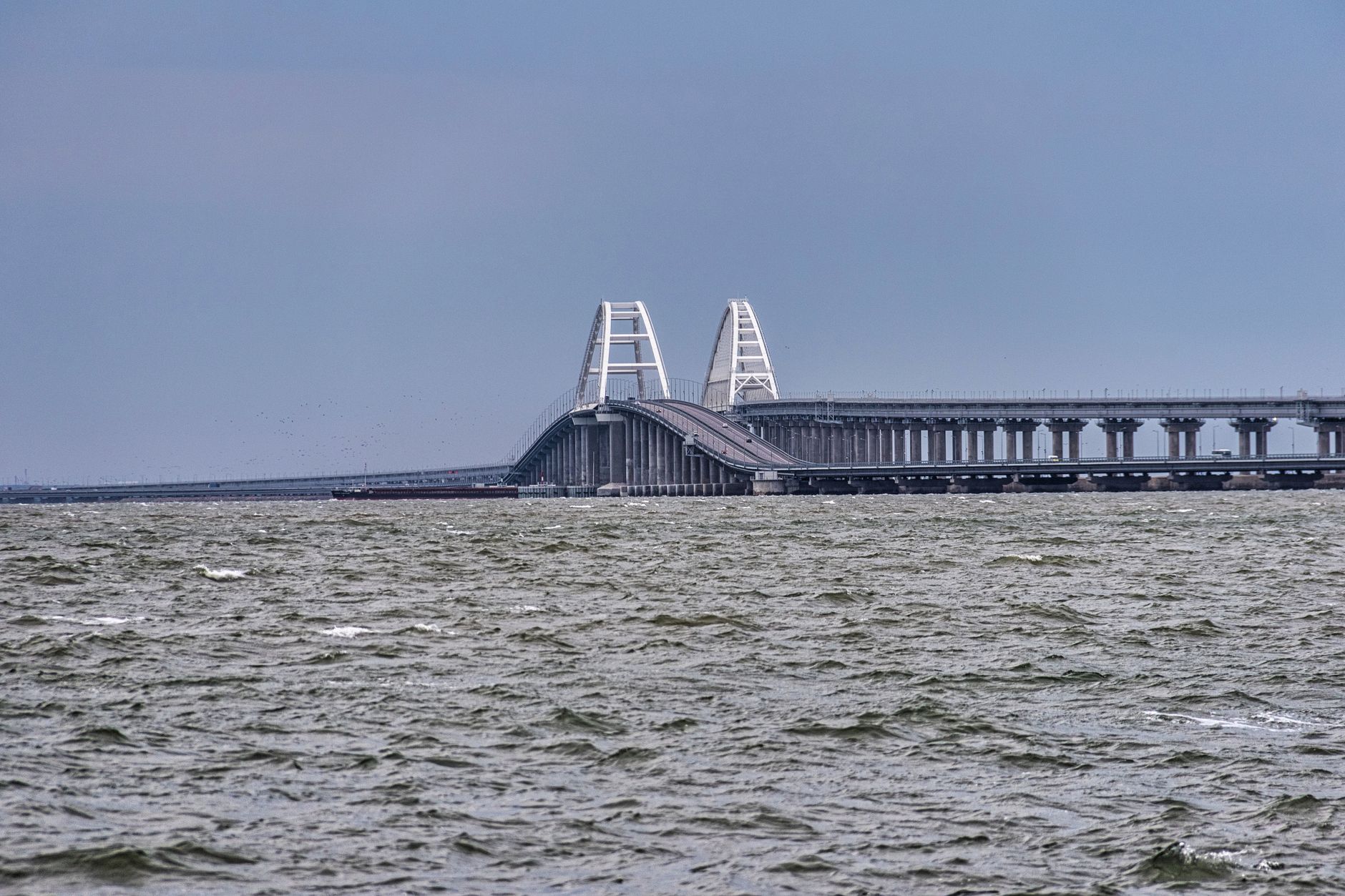
That shift matters because infrastructure is what keeps daily life, trade and military movement functioning. Bridges connect ports to inland routes. Power systems keep cities and military facilities operating. Maritime surveillance networks can shape who controls traffic through one of the world’s most sensitive waterways.
U.S. Central Command said its latest attacks were aimed at degrading Iran’s military and hit surveillance sites, logistics infrastructure, underground weapons storage and maritime capabilities. Iranian state television reported strikes on bridges near Bandar Khamir, a coastal city on the Strait of Hormuz.
The result is a conflict with a wider blast radius. Even when the stated target is military, the effects can spill into electricity supply, commercial shipping, civilian movement and regional confidence.
Hormuz gives Iran leverage
The Strait of Hormuz is not just a backdrop. It is the reason this escalation can rattle markets far beyond the Middle East.
AP reported that Iran effectively closed the strait to shipping traffic after the war began on Feb. 28. The strait is a narrow passage connecting the Persian Gulf with the Gulf of Oman and the Arabian Sea, and it is a critical route for oil and gas exports.
When traffic through Hormuz falls, the pressure can show up quickly in oil prices. AP cited an international shipping tracker showing crossings through the strait fell to a three-week low, while oil climbed above $86 a barrel, near its highest level in a month.
Iran’s leverage comes from geography. The U.S. has military power, regional bases and naval capacity. Iran sits beside the chokepoint. That makes every strike near the strait a military move and an economic signal at the same time.
Gulf states are being pulled in
The widening campaign is also putting countries that often serve as hosts, mediators or neighbors under direct pressure. Qatar, Kuwait and Bahrain were all named in the latest reports of Iranian attacks or alerts.
Qatar warned the public to take shelter after Iranian missiles targeted the country, according to AP. Air defenses fired at incoming missiles, and Qatar’s Interior Ministry said falling debris wounded a child.
Kuwait said Iran attacked a power and water desalination plant, damaging the station. That is especially sensitive because about 90% of Kuwait’s drinking water comes from desalination. A strike on that kind of facility is not only a military concern; it touches the basic resilience of a country in a hot, water-scarce region.
Bahrain reported air sirens, while Kuwait said it was intercepting Iranian missiles and drones. Jordan’s military said it intercepted three incoming missiles launched by Iran. Explosions were also reported in northern Iraq’s semiautonomous Kurdish region.
Both sides are counting costs
The human toll is rising alongside the strategic stakes. Iranian authorities said at least 46 people have been killed and more than 400 wounded in recent U.S. strikes, including eight killed in a bridge strike Friday, according to AP.
U.S. officials acknowledged 13 additional American service members had been injured since Monday, including 10 Army soldiers and three Navy sailors. Since the war began, AP reported, 14 U.S. service members have been killed and 427 wounded.
Those numbers complicate the political messaging on both sides. Leaders may describe strikes as precise or necessary, but casualties create pressure for retaliation, restraint, or both. Each new loss can narrow the room for diplomacy.
President Donald Trump told Americans Thursday evening that the war was going well, saying, according to AP, “We are likewise winning big in Iran.” But he also faces pressure to avoid a prolonged Middle East war, especially after campaigning against open-ended U.S. involvement in the region.
The port strike raises hard questions
One of the most consequential targets was Chabahar port, a key trade route for landlocked Afghanistan that Iran has operated with support from India. Iranian state media said a U.S. strike collapsed a tower that oversaw commercial traffic into the port.
Central Command offered a different explanation, saying the tower was part of a maritime surveillance network used by Iran’s paramilitary Revolutionary Guard to track and target commercial vessels in the strait. That distinction matters because it shapes whether the strike is seen as a blow against a military capability or a dangerous hit on commercial infrastructure.
The truth may not be neatly separated. In the Gulf, ports, radar systems, naval routes and commercial shipping often overlap. A facility can have civilian importance and military value at the same time.
That gray zone is where escalation becomes harder to control. If Iran treats commercial infrastructure as fair game because the U.S. does, or if the U.S. expands its target list because Iran threatens shipping, the conflict can widen without a single dramatic declaration.
No clear offramp yet
The collapse of an interim ceasefire has left no obvious path out of the fighting. Before the war began, the U.S. had been in talks with Iran over its nuclear program. Those talks have now been overtaken by strikes, counterstrikes and competing claims of control.
There are still limits neither side may want to cross. The U.S. does not want a grinding regional war that drains troops and attention. Iran does not want to invite unlimited strikes on its economy, infrastructure and ports. Gulf states do not want to become the battlefield for a conflict they cannot control.
But the current pattern is dangerous because each side can argue it is responding, not escalating. The U.S. says it is degrading Iranian military capabilities. Iran says it is retaliating and resisting outside pressure. Nearby countries are left intercepting missiles, repairing damage and watching shipping lanes.
The immediate question is whether Hormuz becomes a bargaining chip or a battlefield. For now, the strikes suggest it is becoming both.
Leave a Reply