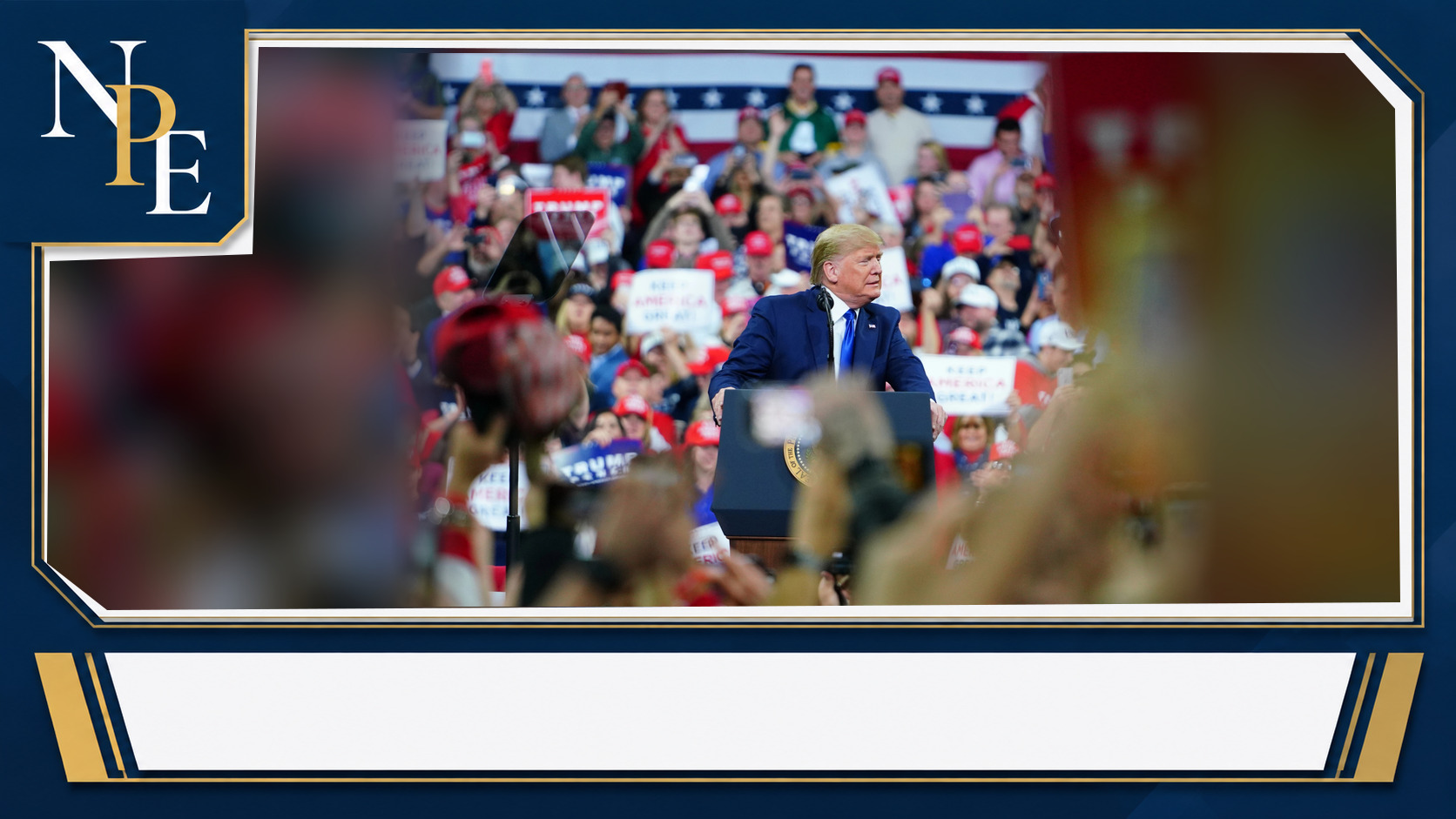
A disagreement over language rules has become a sharp symbol of the larger U.S.-Canada trade rift. Trump and Canadian Prime Minister Mark Carney are offering conflicting accounts of why negotiations broke down.
Donald Trump said Tuesday that the French language is not a factor in trade talks with Canada, denying that French-language requirements played a role in the U.S.-Canada trade dispute. His denial directly conflicts with Canadian Prime Minister Mark Carney, who said Canada rejected a proposed agreement because it included threats to French-language protections, Quebec culture and Canadian culture.
The disagreement matters because talks between two closely connected trading partners appear to have broken down over an issue that Washington and Ottawa describe in fundamentally different terms: a commercial barrier on one side, and a cultural red line on the other.
Trump flatly rejects Carney’s account
Trump responded on Truth Social by saying he would not interfere with Canadians speaking French and that he had never considered doing so. He accused Carney of inventing the claim for political support in Quebec, while also saying he loves French Canadians.
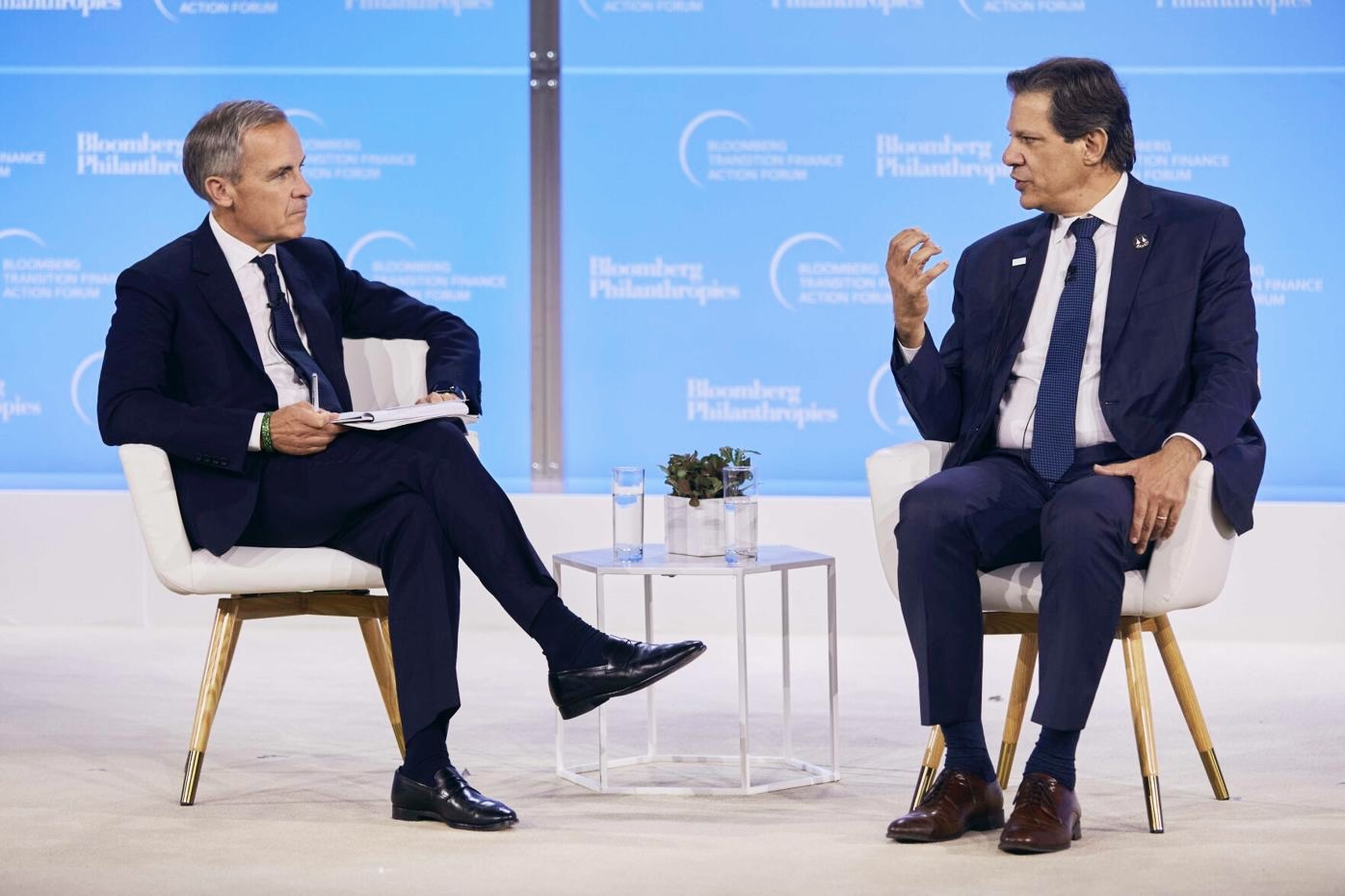
The president’s message was unusually direct because it did not merely dispute the significance of language rules in negotiations. It rejected the premise that the U.S. had sought to change them at all.
That is central to the impasse. If Trump’s account is accurate, the French-language dispute is a political characterization of broader trade friction. If Carney’s account is accurate, the protections were among the terms Canada was asked to weaken in exchange for a deal.
Carney says culture was nonnegotiable
Carney said Monday that Canada had been close to a comprehensive agreement that would have been fair to both countries. But he said the proposed terms changed, including what he described as threats to the French language, Quebec culture and Canadian culture.
Speaking in French at a news conference, Carney said Canada could not accept those terms. He presented the decision as a matter of national sovereignty and identity rather than a narrow disagreement over packaging or compliance costs.
For Canada, that framing has real political weight. French and English are the country’s official languages, and French is the first language of roughly one-fifth of Canadians, according to CNN. In Quebec, where French is the primary language for a large majority of residents, language policy is especially sensitive.
Why labels became a trade issue
French-language requirements can affect how companies sell products in Canada. Bilingual product labels may require revised packaging, additional legal review and separate production planning, creating expenses that U.S. businesses and trade officials have long viewed as a potential barrier.
The issue reaches beyond labels. CNN reported that Canadian rules also require U.S. streaming platforms to support and promote Canadian content, including Indigenous and French Canadian programming, for audiences in Canada.
From a U.S. trade perspective, requirements that raise the cost of entering a market can be treated as obstacles worth negotiating. From Canada’s perspective, those same rules can be safeguards against a much larger English-language media and consumer market next door.
That divide explains why the same policy can be described in two sharply different ways: regulatory burden in Washington and cultural protection in Ottawa and Quebec.
Trade officials deepen the divide
Trump’s comments followed remarks by U.S. Trade Representative Jamieson Greer, who told CNBC that Canada’s claim about French-language requirements being a sticking point was a “funny, fake story,” according to The Hill.
Carney pushed back on that characterization, saying there was an enormous gap between the Canadian and U.S. perspectives. His argument is that language and Francophone culture are not peripheral issues that can be traded away to finalize an economic agreement.
The two sides may also be talking past each other. U.S. officials can oppose particular regulations without intending to challenge whether Canadians may speak French. Canadian officials, meanwhile, may see pressure to dilute language protections as an attack on the system that sustains French in public life and commerce.
Neither public account, as reported so far, resolves exactly what language was included in the proposed agreement, which provisions Washington sought to change, or whether negotiators discussed alternatives that could reduce business costs without weakening Canada’s protections.
Quebec raises the political stakes
Quebec turns an already difficult trade negotiation into a domestic political test for Canada’s government. Carney’s decision to walk away has drawn support from people who view protection of French culture as inseparable from the country’s identity, CNN reported.
Trump, for his part, cast Carney’s comments as an attempt to shore up support in Quebec. That accusation makes the trade disagreement more personal, but it also reflects the political reality that both leaders have incentives to speak forcefully to audiences at home.
For Canadian leaders, appearing willing to compromise on French protections can carry substantial risk. For U.S. leaders, accepting rules that American companies regard as costly can be portrayed as conceding to foreign restrictions.
Those pressures make technical negotiations harder. A dispute that might otherwise focus on label formats, content-discovery rules or regulatory compliance has become linked to national pride and political credibility.
What remains unresolved in talks
The immediate question is whether Washington and Ottawa can return to a broader trade agreement without treating French-language protections as a bargaining chip. The public dispute suggests that will require more than a simple clarification from either capital.
Canada could seek firm assurances that its language laws and cultural rules will remain intact. The United States could continue pressing for clearer, less burdensome ways for American companies to comply with Canadian requirements.
For now, the clearest fact is the split in the leaders’ accounts. Trump says French-language rules were not part of the dispute; Carney says proposed changes to those protections made a deal unacceptable. Until negotiators disclose more about the failed terms, the exact source of the breakdown will remain contested.
The broader lesson is that trade talks do not stay confined to tariffs and market access when they touch cultural policy. In the U.S.-Canada relationship, French-language rules have become a test of where commerce ends and national identity begins.
Leave a Reply