The proposed Lake Ontario rename became a highly visible symbol of a more consequential conflict with Canada. Retaliatory tariffs and threats of further duties now put pressure on a deeply connected cross-border economy.
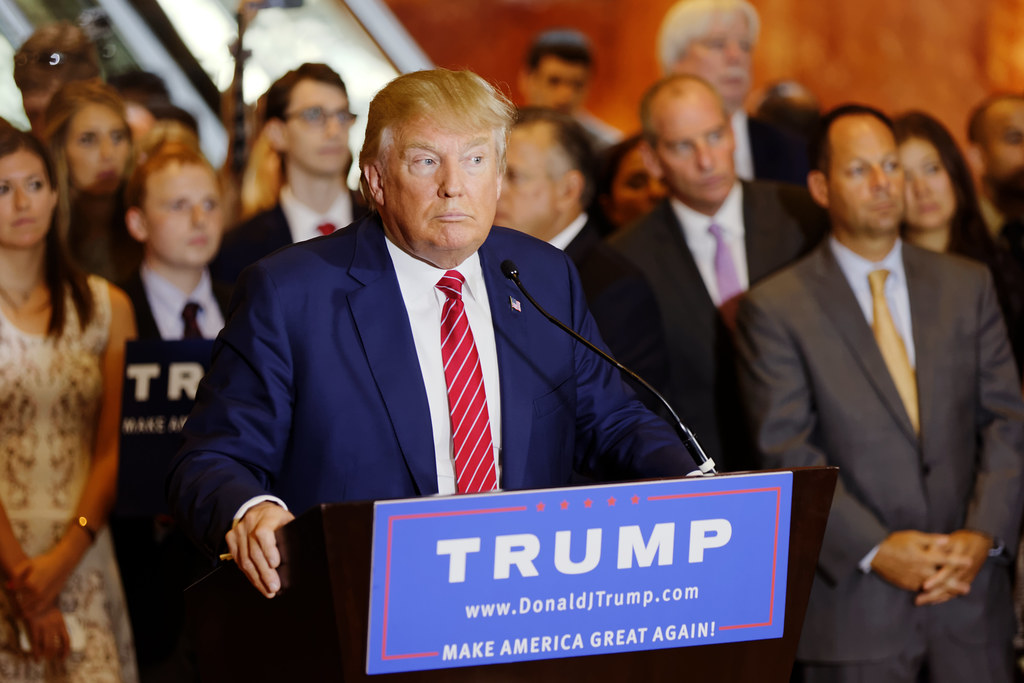
Donald Trump floated renaming Lake Ontario “Lake America,” a proposal that drew backlash as the escalating U.S.-Canada trade fight intensified. The remark put a shared Great Lake at the center of a dispute already marked by U.S. tariffs, Canadian retaliation and concern about costs for businesses and consumers.
Trump said the United States was giving the idea “serious consideration,” according to the Associated Press. No formal process, timetable or practical policy effect for a Lake Ontario name change has been described, but the suggestion has become a vivid marker of deteriorating relations between Canada and the United States.
A shared lake becomes political
Lake Ontario is one of the Great Lakes and lies along the border between the United States and Canada. That makes the proposed new name different from a debate over a purely domestic landmark: the lake sits in a region linked by commerce, communities and environmental interests on both sides of the border.

The comment came during Trump’s dispute with Ontario Premier Doug Ford. It also followed Trump’s earlier executive order renaming the Gulf of Mexico as the Gulf of America.
For supporters, Trump’s naming rhetoric may read as an assertion of U.S. identity and a form of negotiating leverage. Critics have interpreted it as a deliberate provocation toward a close ally while the two countries are locked in a far more consequential argument over trade.
That competing interpretation helps explain why a name proposal with no announced implementation plan generated such an outsized reaction. The dispute is not simply over a label; it is about the message delivered while tariff talks are becoming more hostile.
Backlash focused on the timing
Online critics responded sharply, with some calling Trump the “greatest idiot” in a lifetime and saying he was “out of ideas.” The intensity of the reaction reflected frustration that the Lake Ontario suggestion surfaced as businesses and households were trying to assess the impact of tariffs.
Critics argued that the proposed rename distracted from the economic stakes. In their view, attention should be on new import duties, retaliation from Canada and the risk that the clash could disrupt supply chains that routinely cross the border.
The political disagreement remains clear. Supporters may see an aggressive public posture as useful in a negotiation, while opponents see the language as adding strain to an already fragile relationship with one of the United States’ closest trading partners.
Canada’s tariff response is broad
The immediate economic conflict is larger than the Lake Ontario debate. According to the AP, Canada announced retaliatory tariffs on roughly $20 billion worth of American goods after U.S. tariffs of 50% on Canadian goods followed the collapse of trade negotiations.
Canada’s measures were set to take effect Sept. 8 at rates of 15%, 25% and 50%. More than 700 products, including pulp and paper and electronics, were expected to face Canadian tariffs that matched corresponding U.S. rates.
- Some existing Canadian duties on American products were due to rise from 25% to 50%.
- Certain steel and aluminum goods, furniture and clothing were among products facing 50% duties.
- Appliances, cheese and other dairy products, fish, seafood, and certain steel and aluminum derivatives were set to face 25% duties.
- Canada said its existing countertariffs on U.S. autos would remain in place.
Trump also told Canadian leaders to “fall in line” or face consequences worse than existing tariffs, while threatening new 50% tariffs on Canadian vehicles, auto parts and steel. The exchange raises the prospect of a dispute spreading across industries that depend on frequent cross-border trade.
Connected industries face spillover
Tariffs are often presented as tools of leverage between governments, but their effects can move through the supply chain. The United States and Canada have closely integrated auto, energy, agriculture and manufacturing sectors, meaning the impact can reach suppliers, retailers and workers as well as large exporters.
Canadian officials acknowledged that retaliatory duties could increase costs for some consumers and businesses, even as they described the expected overall effects as moderate. The scale and duration of the trade confrontation will matter in determining how broadly those pressures spread.
The AP cited Michael Howard II, a furniture-business owner in Warren, Michigan, who said the tariffs could damage his family’s ability to make a living and give back to the community. His concern illustrates the gap between high-level political rhetoric and the practical stakes for companies relying on materials or products that cross the U.S.-Canada border.
That is why the naming controversy has resonated beyond social-media ridicule. A symbolic dispute over Lake Ontario is unfolding alongside policies that could affect the price and availability of goods, as well as the planning decisions of businesses on both sides of the border.
Ottawa signals a longer fight
Canadian Finance Minister François-Philippe Champagne said Canada did not choose the conflict and had to respond when economic integration was used as a weapon. Prime Minister Mark Carney accused Washington of seeking to subordinate Canada and said American demands in the failed talks threatened major Canadian industries.
Canada announced a support package worth 7.5 billion Canadian dollars, or about $5.4 billion U.S., for workers and businesses affected by the dispute. Officials said Canada had provided more than 30 billion Canadian dollars in tariff-related support since the start of 2025.
Carney also indicated that Canada may move beyond matching U.S. tariffs dollar for dollar, favoring more targeted measures intended to protect Canadian workers and businesses. That could shape the next phase if the two governments keep escalating duties rather than finding an agreement.
The unresolved issues go beyond a name
It remains unclear whether Trump will pursue official action to rename Lake Ontario. Available reporting does not identify a formal route for doing so, a timetable or a direct practical effect from the comment itself.
There are larger unknowns as well: whether additional U.S. tariffs will take effect, how widely Canada will expand its response and whether the dispute will harden into a lasting rupture between deeply interconnected economies.
The “Lake America” proposal has made the conflict easier to see and debate. But the lasting consequences are more likely to be determined by the tariff decisions, retaliatory measures and supply-chain pressures now testing the U.S.-Canada relationship.
Leave a Reply