
The same-day warrant reversal ended the immediate dispute over Stein’s missed hearing, not the criminal case itself. Her next scheduled court date is September 14.
Jill Stein missed a 9 a.m. court hearing in St. Louis on Monday, prompting Judge Karma Johnson to issue a failure-to-appear warrant after neither Stein nor her attorney attended. Stein, the Green Party’s former presidential candidate, was due in court in a misdemeanor case stemming from a 2024 protest at Washington University. Prosecutors were present for the hearing.
The warrant was quashed later the same day after Stein’s attorney appeared in court and asked that it be withdrawn, ending the immediate dispute over her absence without resulting in her detention. The underlying criminal case remains unresolved: Stein still faces misdemeanor assault and trespass charges, and Johnson continued the matter to Sept. 14.
A warrant resolved in hours
The warrant stemmed from attendance at a scheduled hearing, rather than from a new allegation or a ruling on the pending charges. Prosecutors were present Monday morning, according to reporting cited by Newsweek, but Stein and attorney Joseph Welch were absent.
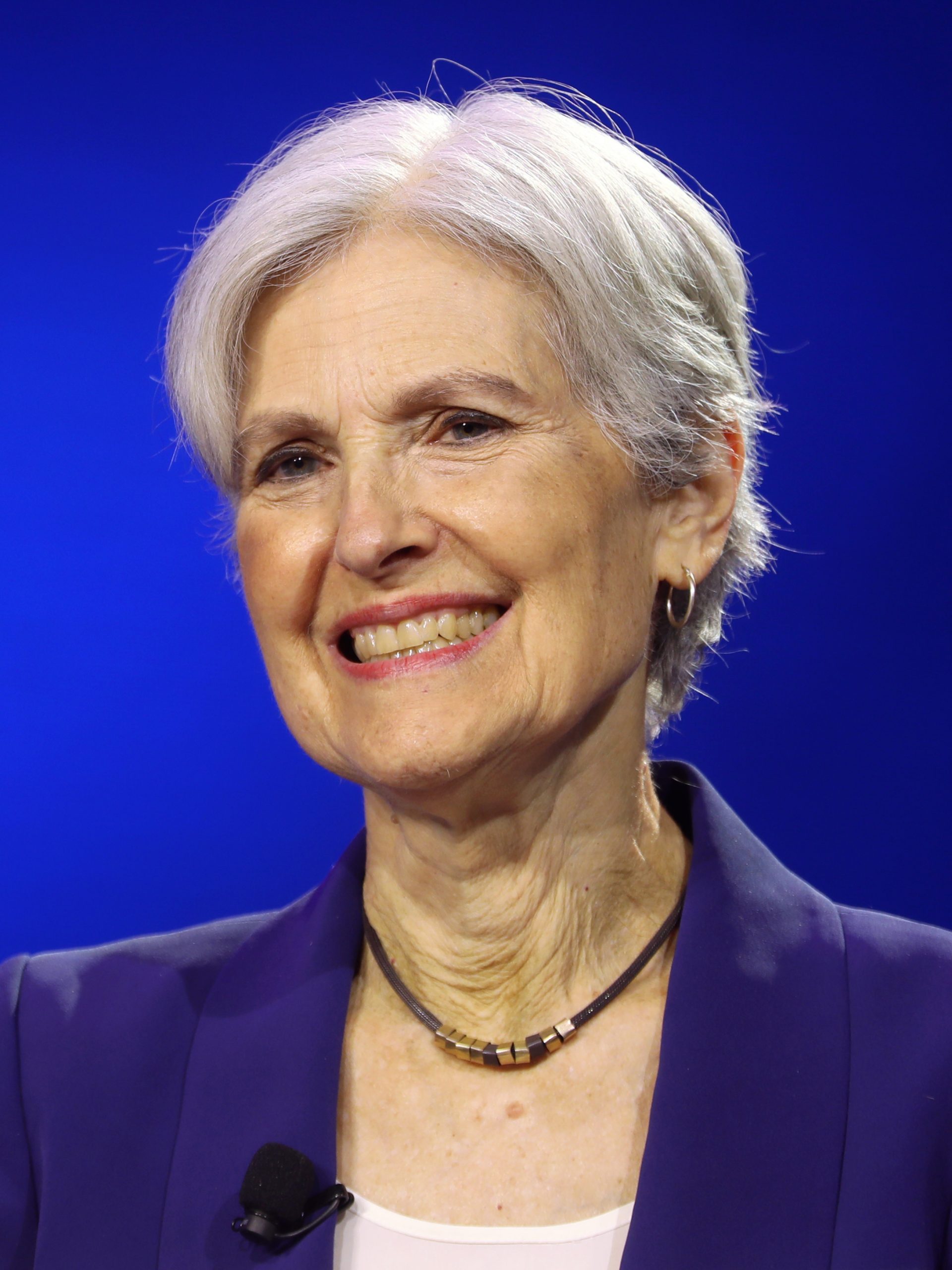
Judge Johnson said a failure-to-appear warrant would be issued. Later that day, Welch came to court and asked that the warrant be withdrawn. Johnson granted the request and quashed it.
The available reporting does not explain why Stein and Welch missed the morning hearing. It also does not say what explanation, if any, was presented when the court withdrew the warrant. Newsweek reported that it sought comment from Stein and Welch.
What the court action did not do
A failure-to-appear warrant is a response to someone not appearing as required by a court. It is not a finding that the defendant committed the offense alleged in the original case.
That distinction matters here because the same-day court action dealt only with Stein’s absence from the hearing. It did not determine whether she is guilty or innocent of misdemeanor assault and trespass.
Stein has not been convicted of those charges. Her case remains pending, and the court has set September 14 as the next marker in the proceeding.
The protest behind the charges
The criminal case traces to an April 2024 protest connected to the war in Gaza. The demonstration began near Forest Park before moving onto the Washington University campus in St. Louis, according to earlier local reporting referenced by Newsweek.
Washington University said at the time that a large group entered campus intending to create a significant disruption. The university said people were instructed to leave and police intervened after a final warning.
More than 100 people were arrested when police broke up the protest, according to the report. Only two people were charged: Stein and one other person. Stein was charged in March 2025.
Competing accounts of the encounter
The misdemeanor accusations concern an encounter involving Stein and police officers during the protest. Newsweek reported that an officer identified as Conroy approached Stein on a bicycle, which Stein allegedly grabbed.
Another officer, identified as Moore, then intervened. The reporting says the bicycle injured Moore’s forearm and alleges that Stein kicked him. Moore was later found to have a strained forearm and injuries to his leg and groin, according to the account.
Those are allegations, not findings of guilt. Stein has denied them and has described the encounter differently. In a prior interview with St. Louis television station KSDK, she said she had been charged with assaulting a police officer, called the episode frightening and said she had been “assaulted by a bicycle” and thrown onto her head.
Stein has also linked the incident to broader concerns about freedom of speech and the response to protest over Israel’s war in Gaza. The court has not ruled on the factual merits of either account.
Speech rights and conduct claims
The dispute carries two connected but separate questions: the right to protest and the alleged conduct during a protest. Washington University said it supports free expression while expecting people on campus to follow university policies, and said it would enforce those policies when necessary.
When the charges were filed, St. Louis Prosecuting Attorney Melissa Price Smith said the case was not a statement about freedom of speech, freedom of assembly or the protest’s subject. Her office said constitutional rights were honored and upheld.
That leaves an unresolved tension at the center of the case. Protest activity can involve protected expression, while specific allegations of conduct during an event can be litigated separately. Stein disputes the allegations, and prosecutors have not yet proved them in court.
September is the next test
For Stein, a nationally known third-party figure and the Green Party’s presidential nominee in 2012, 2016 and 2024, the brief warrant predictably drew attention beyond a routine court-calendar issue.
Yet the verified result is narrower than the headline-grabbing warrant itself: it was issued after a missed hearing and quashed after Welch appeared. The unresolved question is the misdemeanor case, not the no-show warrant.
Stein is expected to return to court September 14. It remains unclear whether the defense will challenge the allegations, whether prosecutors will take the case to trial or whether the matter could end in a negotiated resolution.
Leave a Reply