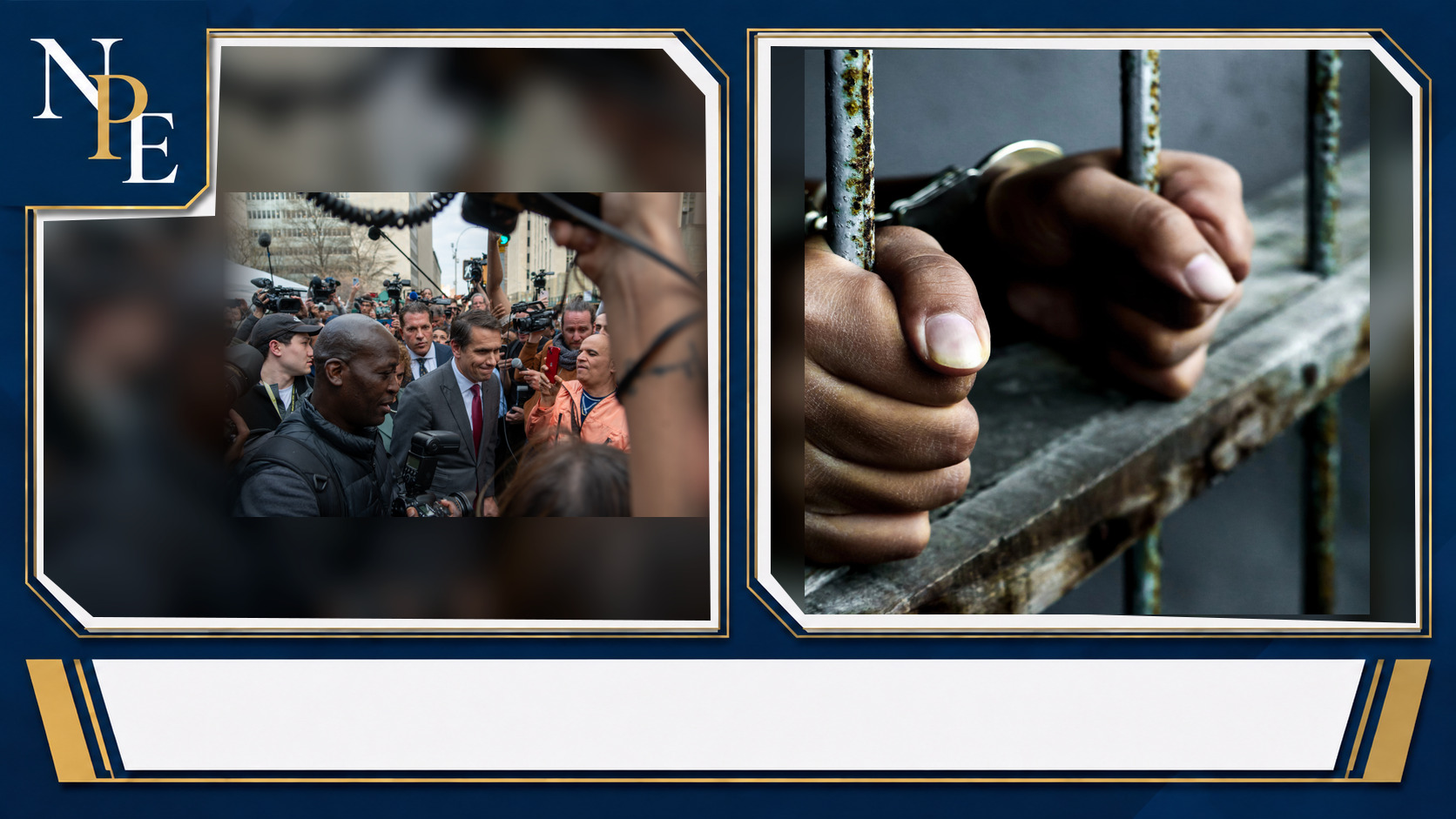
Blanche’s remarks put a long-running question about presidential influence over federal law enforcement back at the center of the Justice Department’s work. His position draws a line between rejecting illegal orders and committing to institutional distance from the White House.
Attorney General Todd Blanche refused to pledge that the U.S. Department of Justice would remain independent of the White House, saying he would take President Donald Trump’s views into account when directing federal law enforcement. Blanche made the remarks in television interviews on August 16, arguing that no attorney general should promise complete independence from the president.
The distinction matters because the Justice Department has extraordinary power to investigate, prosecute and enforce federal law. Blanche says Trump has never asked him to prosecute specific people or do anything illegal or unethical; critics will focus on whether a DOJ that considers presidential preferences can still assure the public that its decisions are evenhanded.
Blanche rejected an independence pledge
Pressed by NBC’s Kristen Welker on Meet the Press to promise independence from White House control, Blanche said: “No, I’m not going to pledge that, and no attorney general should ever pledge that,” according to CNN and The New York Times.
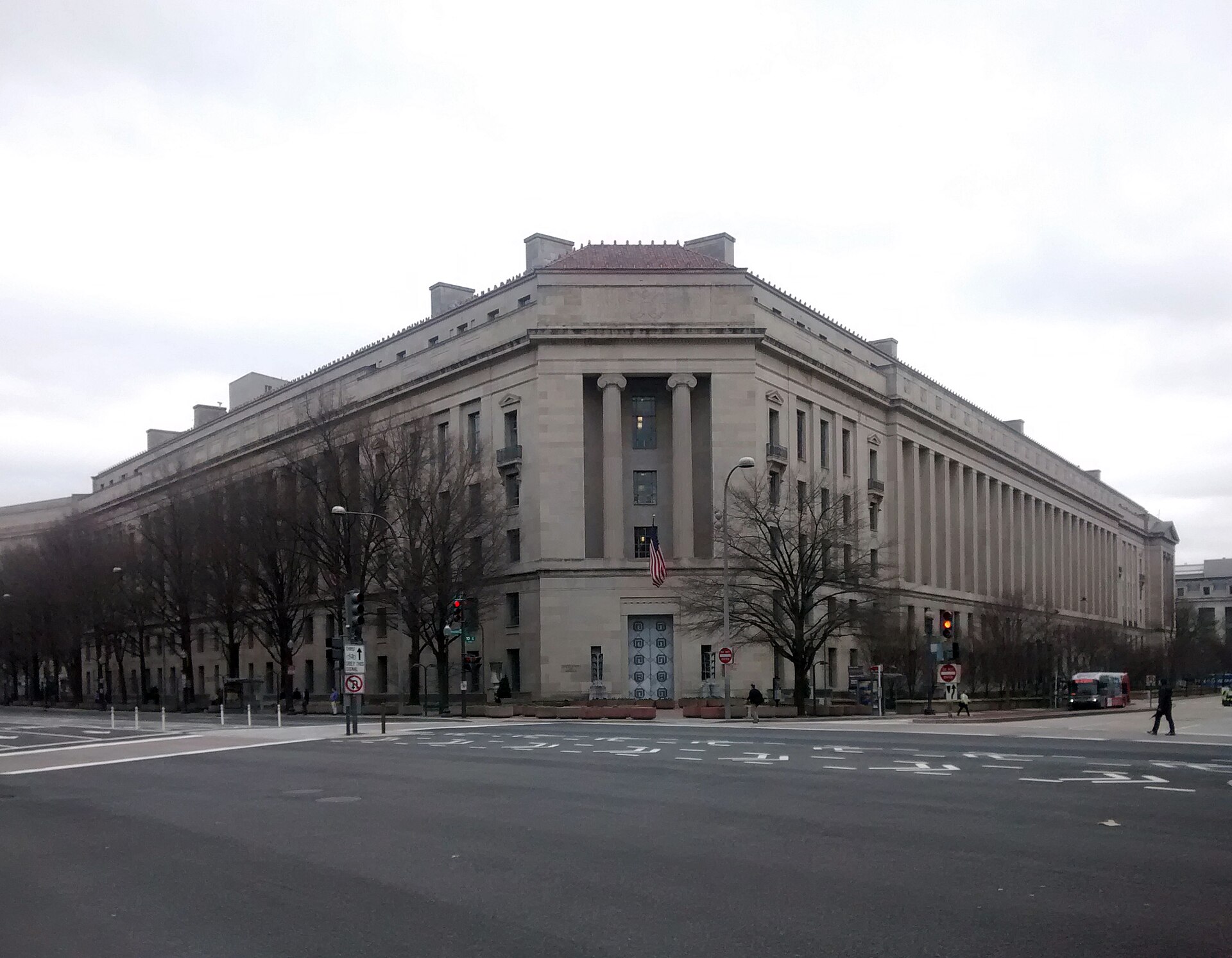
In the Washington Post’s account, Blanche rejected the premise of a Justice Department operating independently from the White House. He said the president’s views would be among the considerations he takes into account while leading federal law enforcement.
That is a more direct position than simply saying the president appoints the attorney general or sets broad administration priorities. Blanche was asked whether he would preserve an independent relationship with the White House, and his answer was that he would not make that commitment.
His central argument is narrower
Blanche did not describe the president as directing individual criminal cases. Instead, he drew a distinction between carrying out the department’s work and promising separation from the White House.
“There’s a big difference between saying we will always do our job and investigate any case, and act independently of the White House,” Blanche said on NBC, as reported by The New York Times.
He also pushed back on the idea that Trump calls him with instructions to target particular people. “There is this extraordinarily false narrative that the president wakes up in the morning and calls me and says, ‘Todd, go prosecute X or Y,’” Blanche said. “He does not do that. He has never done that. He will never do that.”
Blanche said Trump had never asked him to do something illegal or unethical. On Fox News Sunday, he also said that discussing issues with the president was part of his job and that he had done so for years.
Why the wording carries weight
The attorney general occupies a politically appointed role inside the executive branch, but the Justice Department’s law-enforcement decisions carry special consequences. Its work can affect public officials, companies, protesters, defendants, victims and ordinary people under federal investigation.
For that reason, debates about DOJ independence are often not about whether a president may have policy priorities. They are about the safeguards around concrete investigative and prosecutorial choices: who is investigated, which cases receive resources, whether charges are pursued and how similar cases are treated.
Blanche’s formulation leaves room for presidential influence at the level of views and discussions while rejecting the claim that Trump is ordering specific prosecutions. Supporters may see that as an honest description of how an administration works: the president was elected to lead the executive branch and can expect senior officials to understand his agenda.
Critics are likely to see a vulnerability in the same formulation. If an attorney general will not commit to independence, they may ask what limits separate lawful policy guidance from pressure that shapes individual law-enforcement outcomes.
Independence is not an all-or-nothing term
The public debate can flatten two different questions into one. One is whether the Justice Department is part of the president’s administration. It is. The other is whether the White House should be insulated from decisions about particular investigations, prosecutions or enforcement targets.
Blanche’s comments addressed both questions indirectly. He rejected an open-ended pledge to be independent while denying that Trump has requested illegal, unethical or person-specific prosecutorial action.
That leaves an important practical middle ground. A Justice Department leader can consult with a president on priorities such as immigration enforcement, violent crime, antitrust policy or civil-rights enforcement without publicly identifying the boundaries for contacts about live cases.
The interviews cited in the available reports do not lay out a formal written policy for White House-DOJ communications, nor do they identify particular cases in which Trump’s views influenced a DOJ decision. That absence is part of why Blanche’s broad answer is drawing attention.
The test will be future decisions
For now, Blanche has offered two commitments that sit alongside each other: he will consider Trump’s views, and he says Trump has not asked him to act illegally, unethically or against named targets. The first describes the relationship he believes an attorney general should have with a president; the second is his stated limit on that relationship.
Whether those assurances satisfy skeptics will depend less on a single television exchange than on future department actions. High-profile investigations, politically sensitive prosecutions, staffing choices and decisions not to bring cases will all be examined through the lens of his remarks.
There is also a factual question that remains unresolved by the interviews: how, if at all, the administration will make its internal guardrails visible to the public. Blanche denied the picture of a president issuing morning prosecution orders, but he did not pledge the institutional distance that Welker asked him to guarantee.
What Blanche has and has not said
- He said: He would not pledge that the Justice Department would act independently of the White House.
- He said: He would take Trump’s views into account in directing federal law enforcement.
- He said: Trump has never asked him to prosecute specific people or to do something illegal or unethical.
- He did not say: That White House views will never affect DOJ priorities or decisions.
- He did not provide: A detailed public framework for when White House contact is appropriate in connection with individual matters.
Blanche’s refusal was not a promise of political interference, and the available reporting does not establish that Trump has ordered prosecutions. But it was a clear refusal to embrace a traditional public assurance of distance. That is why the wording has become consequential far beyond one Sunday interview.
Leave a Reply