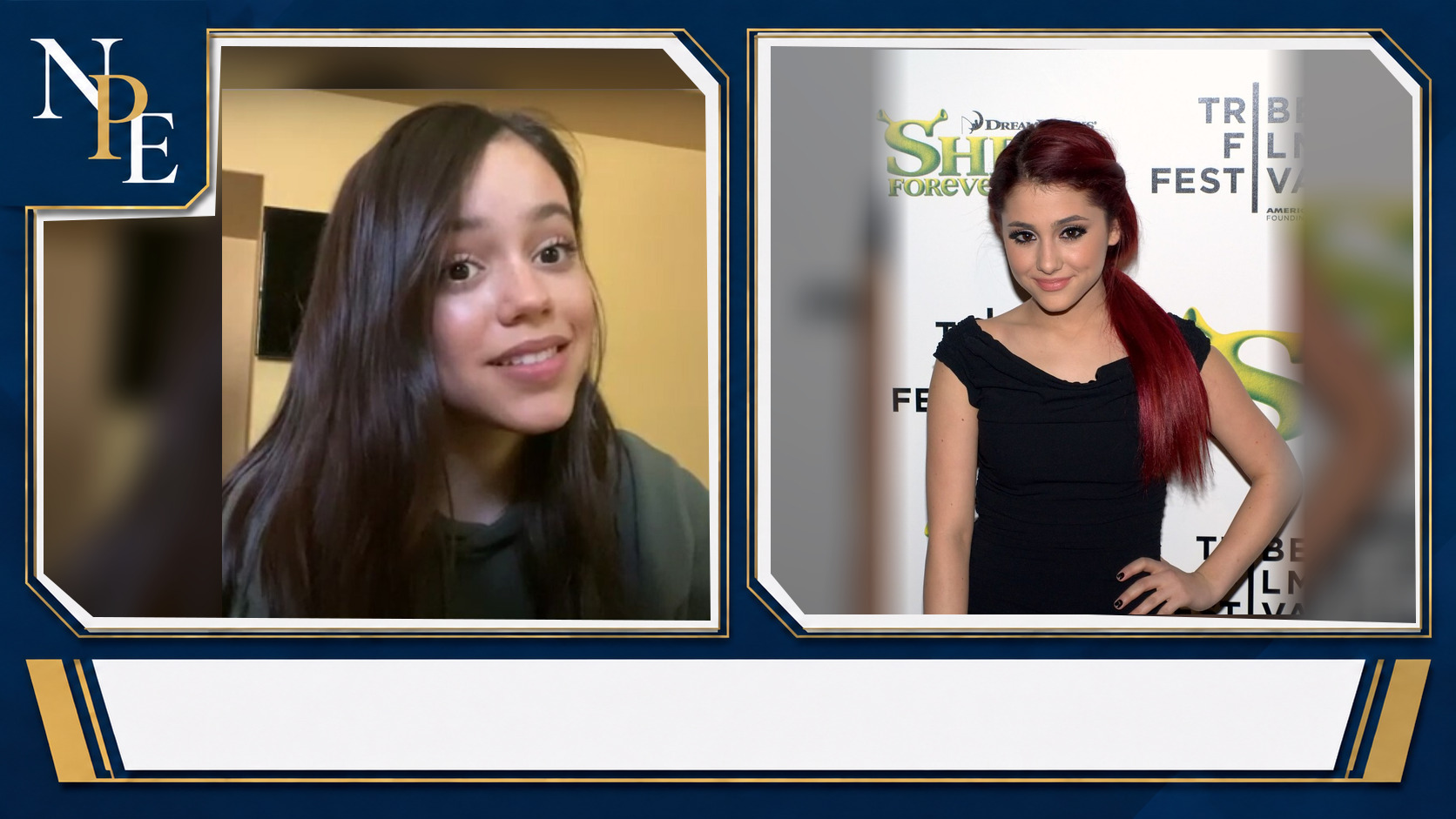
Jenna Ortega’s new appearance in “Shrinking” prompted viewers to compare her with Ariana Grande and raise concerns about perceived thinness in Hollywood. The reaction also shows why body-image conversations can become harmful when they turn into public diagnosis.
Jenna Ortega’s new appearance in Shrinking has been compared online with Ariana Grande, prompting criticism about perceived Hollywood thinness. The reaction has turned Ortega’s appearance into part of a broader celebrity body-image debate: viewers are questioning what looks are being elevated on screen, while others warn that judging an individual’s health from photos or a TV appearance can cause real harm.
The comparison matters because it captures a familiar internet paradox. People may be trying to push back on punishing beauty standards, yet the discussion can still subject Ortega and Grande to intense scrutiny over bodies neither has publicly invited strangers to assess.
Why Ortega’s appearance drew comparisons
Commentary around Ortega’s Shrinking appearance centered on how some viewers perceived her look and connected it to recent discussion about Ariana Grande. The online response included concerns that Hollywood is again rewarding an especially narrow version of thinness.

That reaction is not proof of anything about Ortega’s health, diet, work demands or personal life. A public image offers only a limited, curated glimpse of a person, and appearance alone cannot establish someone’s medical condition or wellbeing.
Still, the concern behind the posts reflects a wider unease. After years in which brands and entertainers increasingly embraced body positivity, body neutrality and size inclusion, some audiences believe old beauty hierarchies are returning in a new form.
Ariana Grande became a flashpoint
Grande has faced frequent public commentary about her appearance, including speculation about her weight and health. In an interview cited by USA Today, Grande said the public’s comfort with commenting on people’s faces, bodies, clothing and presumed private circumstances can be “really dangerous.”
Her representative told USA Today in August that Grande planned to step back from visibility after completing her tour, following a period marked by “endless, ongoing public scrutiny.” The statement did not validate any online theory about her health; it addressed the cumulative effect of being watched and discussed.
That distinction is central to the Ortega comparison. Fans can recognize that entertainment culture promotes powerful appearance ideals without converting those concerns into claims about a specific performer’s body.
The concern is bigger than one body
Experts quoted by USA Today described a real cultural tension: thinness can be idealized even when nobody explicitly says it is better. When one body type is repeatedly presented as glamorous, aspirational or linked with success, it can create a hierarchy that affects how people see themselves and others.
Samantha DeCaro, director of clinical outreach and education at eating-disorder treatment provider The Renfrew Center, told the outlet that such hierarchies can fuel body dissatisfaction, weight stigma and elevated eating-disorder risk. The point is not that any particular actor is responsible for those pressures. It is that images operate within an industry and a social-media system that attach meaning to bodies.
Psychiatrist Dr. Sarah Gupta told USA Today that concern about cultural trends can be discussed without asking whether a particular person is “too thin.” Her suggested shift is from assessing an individual to examining broader forces, including the visibility of weight-loss drugs and the messages created by their use and marketing.
Concern can become body surveillance
There are two views that can be true at once. Audiences may reasonably worry about the return of restrictive beauty ideals, particularly after the diet-culture pressures of the 1990s and early 2000s. At the same time, a flood of remarks framed as concern can become another form of body policing.
The internet makes that line especially easy to cross. A single still image, red-carpet video or TV scene can become the basis for side-by-side comparisons, viral speculation and claims that spread faster than any factual context. The person being discussed is reduced to a visible body, while the audience is encouraged to inspect it.
Even compliments can reinforce the same system. Calling someone “tiny,” “disciplined” or “perfect” can signal that their body is being measured and ranked. Criticism framed around perceived thinness can do something similar, particularly when it invites strangers to guess at illness, medication, food intake or mental health.
What a more useful discussion looks like
The more productive question raised by the reaction to Ortega’s Shrinking appearance is not whether viewers can determine what is happening with her body. They cannot. It is whether Hollywood, fashion, social platforms and celebrity coverage make one kind of body seem like the price of visibility and success.
That conversation can examine casting, costume choices, image editing, algorithmic trends, advertising and the way entertainment reporting rewards dramatic before-and-after narratives. It can also acknowledge that performers have agency while recognizing that no individual celebrity exists outside the commercial pressures of the industry.
What remains unclear is what, if anything, Ortega herself intended to communicate through her appearance in Shrinking, or whether she wants to address the online response at all. Without a statement from her, conclusions about her health would be speculation.
The lasting takeaway is a narrower but more meaningful one: concern about Hollywood’s beauty standards does not require public diagnosis of Jenna Ortega, Ariana Grande or anyone else. The standard deserves scrutiny. Their bodies do not need to become the evidence.
Leave a Reply