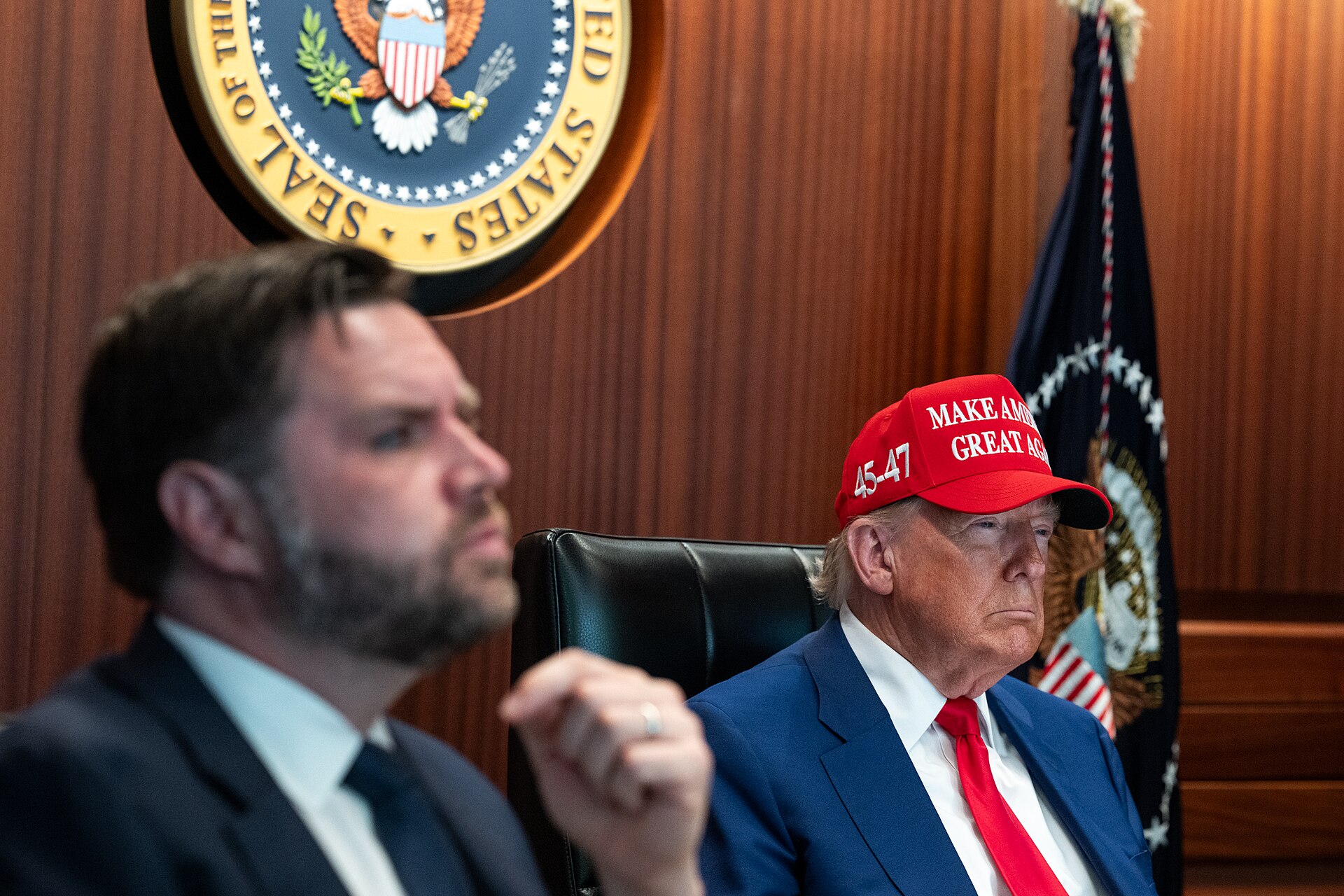
The supported story is smaller than the online implication. Viewers saw a rumpled look; the claim that aides knowingly allowed it remains unverified.
Donald Trump’s crooked tie and wrinkled shirt drew online criticism after The Mirror US, in a story republished by MSN, reported that his White House team was criticized over an image from a brief live television appearance on Monday. The Crooked Tie Turned into an Unproven Staff Claim when viewers and social media users treated the look as possible evidence that Trump’s staff had let his appearance go.
But the claim that staff let his appearance go was unproven. Available reporting does not show aides did it on purpose, or identify anyone inside the White House who knowingly allowed Trump to appear unpolished.
A visible detail became an allegation
The clearest fact in the story is simple: people online reacted to how Trump looked. In the Mirror US account republished by MSN, an X user pointed to several visual details, including a crooked golden tie and a wrinkled shirt.
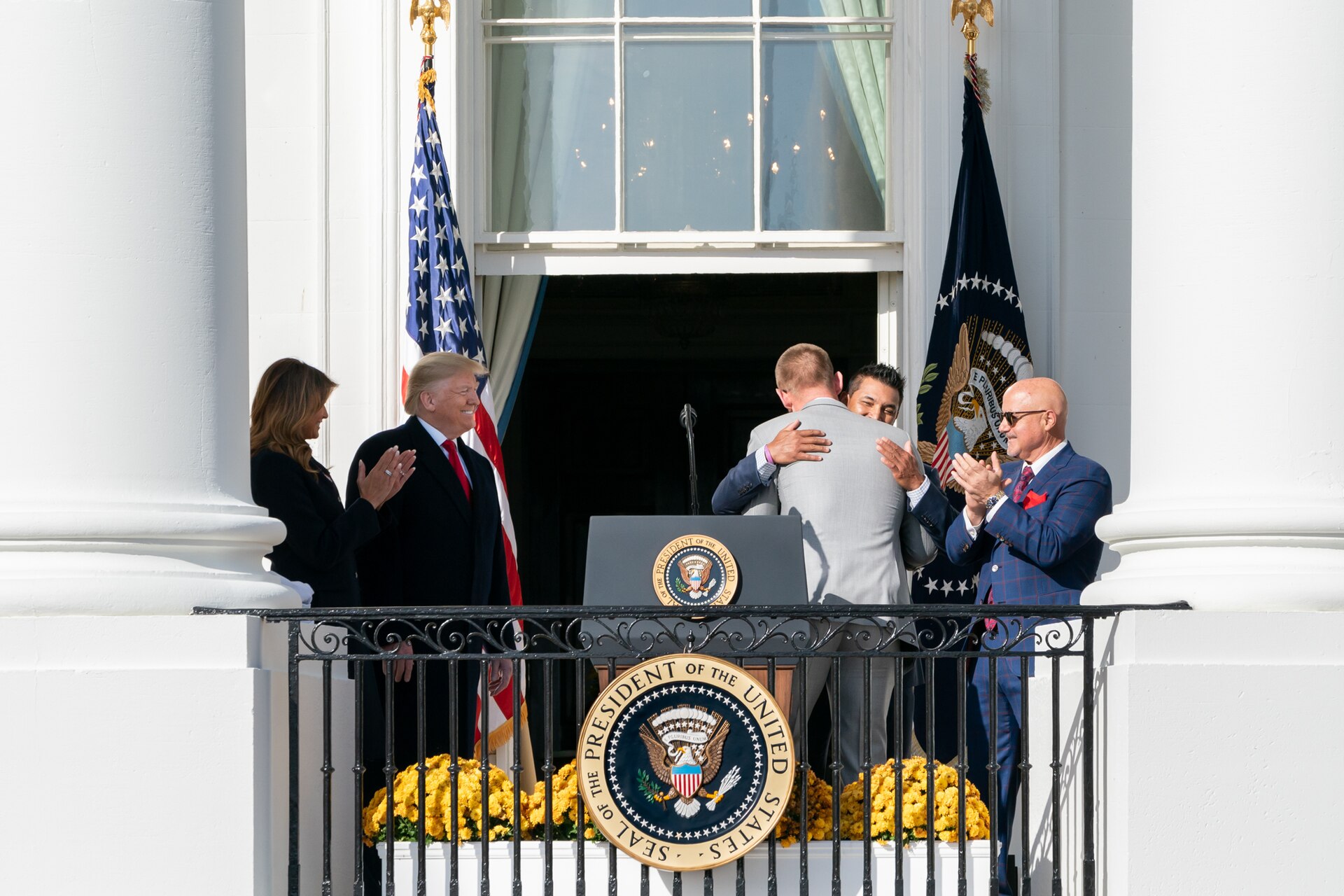
The criticism did not stop there. The cited post also referred to Trump’s tie, shirt, collar, suit, makeup and hair, while adding uncertainty about whether the appearance meant anything beyond what viewers could see.
That uncertainty is the key dividing line. A viewer can reasonably say a tie appeared crooked or a shirt looked wrinkled. Those are observations about an image. A claim that staff intentionally let that happen is a different kind of statement.
It moves the story from appearance into motive. And motive requires evidence that is not present in the available reporting.
What the reporting actually supports
The supported version of events is narrower than the viral version. The Mirror US, in the story republished by MSN, reported that Trump’s White House team was criticized after the image from Monday’s brief live television appearance circulated online.
That means the accusation existed and was reported. It does not mean the accusation was proven.
The available material does not identify a specific aide who saw the issue and ignored it. It does not document an internal choice by staff. It does not include an on-record White House explanation establishing what happened before Trump appeared on camera.
Those missing pieces matter because the strongest online implication is not just that Trump looked rumpled. It is that people around him allowed that look to happen on purpose.
The gap between image and intent
Political figures are intensely managed in public, especially presidents. That is why small visual details can attract outsized attention. A crooked tie or wrinkled shirt can be read as a sign that the normal machinery of image management failed.
Still, a failure of presentation is not the same thing as deliberate neglect. The staff-intent claim depends on what aides knew, what they saw, what they had time to fix and what they chose to do or not do.
There are also less dramatic possibilities. Clothing can shift before or during a live shot. A shirt can crease naturally. A camera angle or freeze-frame can make a small detail look more noticeable than it did in motion.
None of those explanations is confirmed either. The point is that they show why the evidence bar is higher for a claim about motive than for a comment about appearance.
Why this one traveled
The reaction gained traction partly because Trump’s public image has long been part of his political persona. The Washington Post has reported on Trump’s interest in physical appearance, including his use of “central casting” language and remarks about how people look in political settings.
That history gives critics an obvious frame. If a politician is known for caring about presentation, a moment that looks less polished can seem more notable, or more ironic, than it otherwise might.
Glamour, citing Axios and New York Times reporting, has also described Trump as particular about staff attire and grooming. That context helps explain why online critics linked Trump’s own appearance to the people around him.
But context is not proof. Prior reporting about Trump’s standards or preferences does not establish what happened before the Monday television appearance described in the Mirror US/MSN item.
Two reactions, one thin record
The episode invites predictable political readings. Trump critics may see the image as another entry in a long-running scrutiny of his presentation. Trump supporters may view the attention to clothing, grooming and makeup as superficial ridicule rather than substantive criticism.
Both reactions can come from the same image. That is why the factual record matters.
At this point, the record supports that a social media user criticized Trump’s appearance and that the criticism included an accusation aimed at his staff. It does not support the more provocative claim that aides knowingly let him appear that way.
That distinction is especially important because the allegation is about conduct. Saying Trump looked unkempt is an opinion about visible details. Saying aides allowed it on purpose implies knowledge and intent.
The safer takeaway
The most defensible reading is limited. Trump’s televised appearance drew online criticism over visible details, including a crooked tie and wrinkled shirt. The criticism was reported as part of an accusation directed at his staff.
The unverified part is the leap from what viewers saw to what aides supposedly intended. Available reporting does not prove that anyone inside the White House deliberately allowed the look to happen.
That is the lesson beyond this one image. In political media, a small visual moment can quickly become a broader claim when it connects to an existing public narrative.
Here, the narrative may explain why the jab spread. It does not establish the staff-intent claim as fact.
Leave a Reply