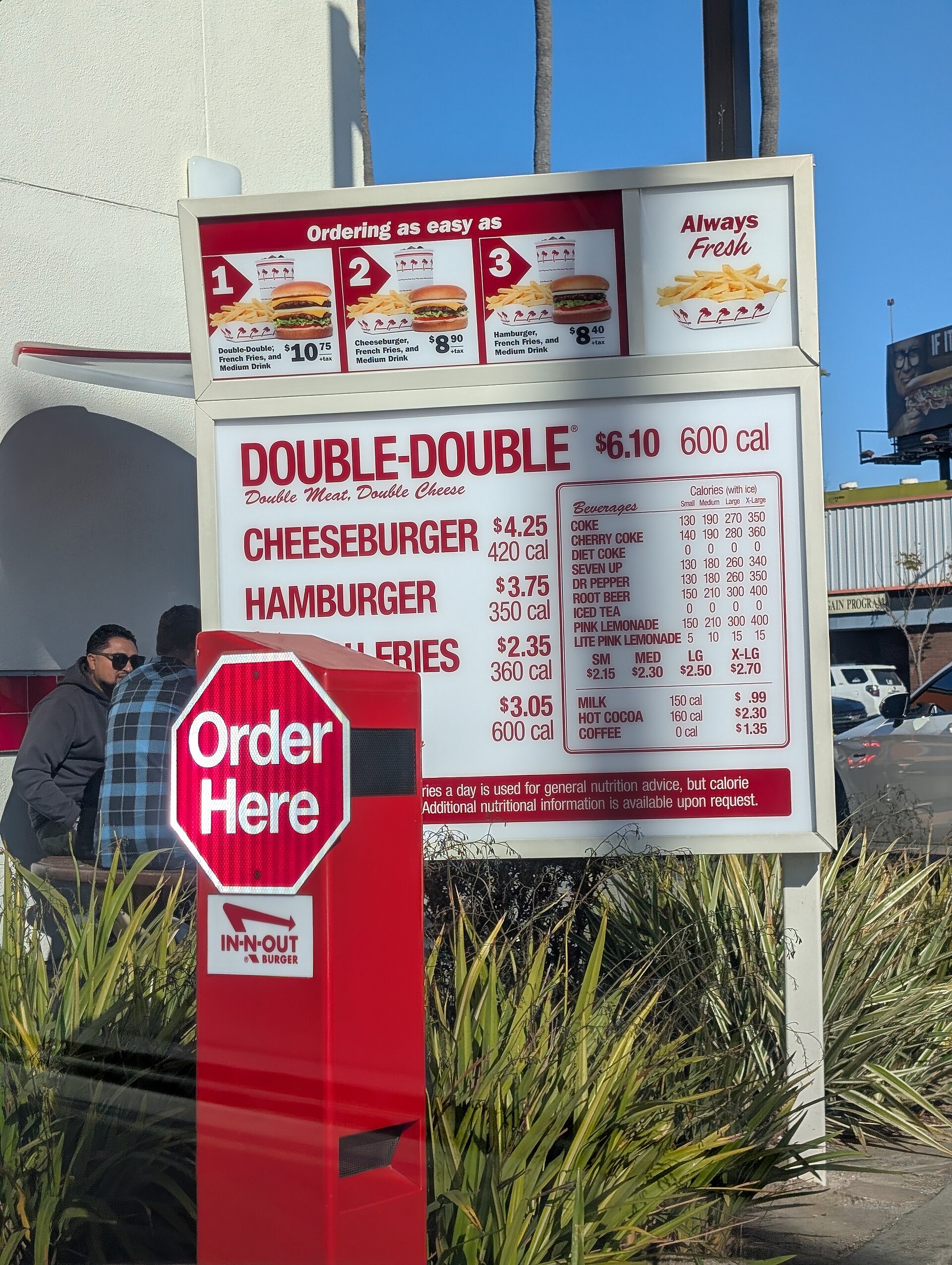
Authorities say the suspect died from a self-inflicted gunshot wound after the attack. Police are still working to determine why the shooting happened.
Police identified the suspect in the deadly In-N-Out shooting in Twin Falls, Idaho, as Chad Williams, 24, after a gunman opened fire at an In-N-Out Burger restaurant, killing three people and injuring seven others. Twin Falls police said Williams died at the scene from a self-inflicted gunshot wound, and investigators are still trying to determine a motive.
The identification, reported Aug. 3, 2026, and updated Aug. 4, shifts attention from the first chaotic accounts at the Idaho restaurant to the victims, the armed response, and the questions police say remain unanswered.
Police name Chad Williams
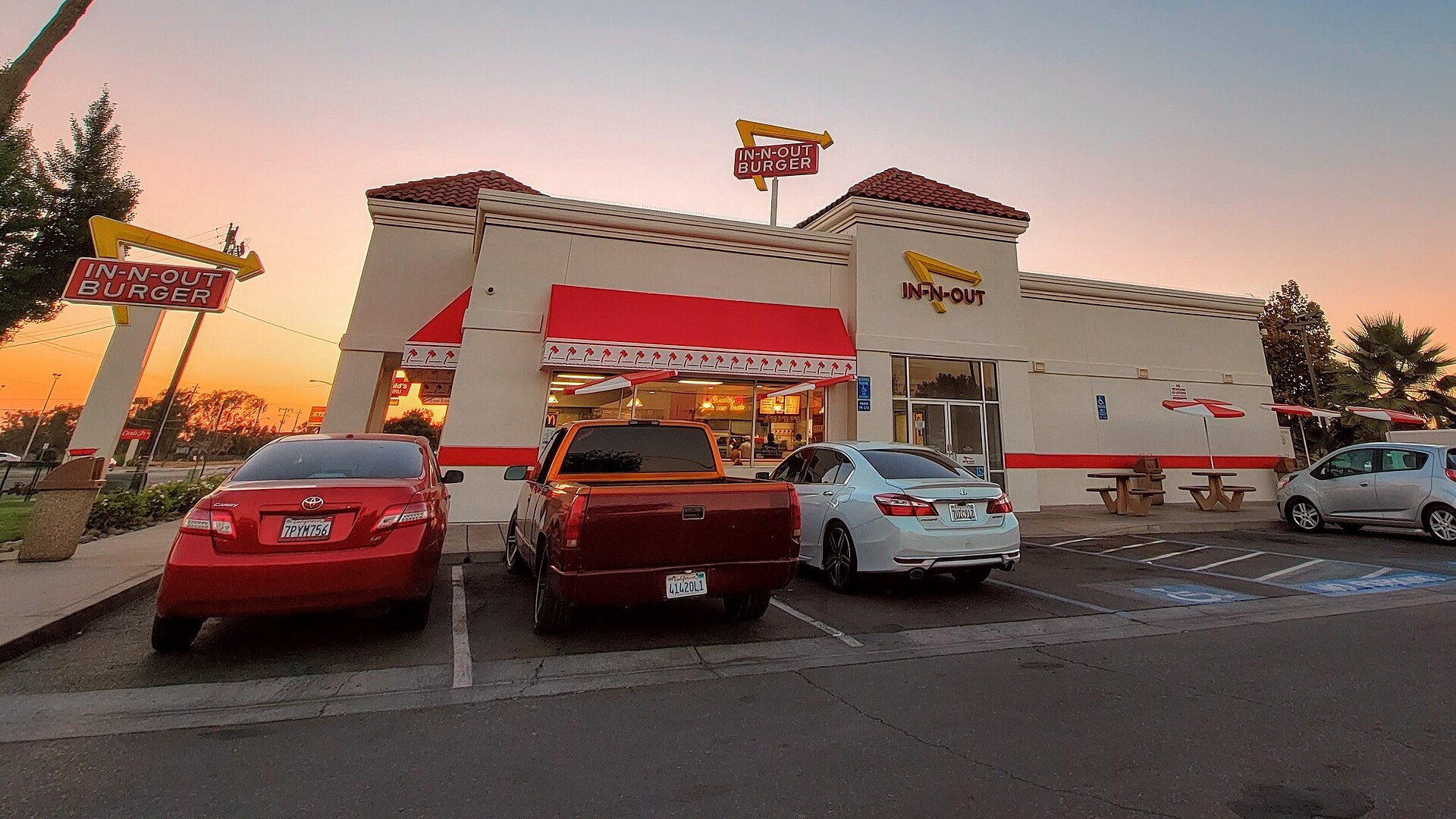
Twin Falls police Chief Matthew Hicks identified Williams as the suspected shooter, according to USA TODAY. Hicks said law enforcement believes Williams acted alone in the attack at the recently opened In-N-Out Burger in the city’s busy shopping area.
The chief also said Williams’ family had been notified and was cooperating with law enforcement. That detail matters in a case where police are still trying to build a timeline and determine whether anything in Williams’ recent life points to a motive.
Hicks urged the public not to spread false information about the shooting. He specifically pushed back on rumors that the shooter was a member of the fire department and on social media posts that wrongly named another person as the gunman.
For investigators, naming Williams is a major step, but it is not the same as explaining the attack. Police have not publicly released a motive, and Hicks said authorities are still working through the suspect’s actions and possible motivations.
Gunfire at a busy plaza
The shooting happened around 2:30 p.m. local time on Aug. 1, when hundreds of people were in and around the Twin Falls shopping plaza, according to the police account reported by USA TODAY. What began as an ordinary afternoon at a new fast-food location quickly became what Hicks described as a chaotic scene.
A witness who recorded cellphone video, Lane Koehn, told KTVB-TV that he was waiting at a stoplight when shots rang out and struck a car just feet in front of him. He said he saw a shooter at least 30 feet away firing what appeared to be a semi-automatic rifle at people in vehicles and through the restaurant’s drive-thru window.
That detail is one reason the shooting has drawn attention beyond Twin Falls. The location was not a secluded site or a private dispute hidden from view; it was a public restaurant and drive-thru, with families, workers, drivers and customers moving through a routine commercial area.
Police have not released a full second-by-second timeline. The available account suggests the attack moved quickly, leaving witnesses and responders to react before officers could fully secure the area.
Victims and injuries emerge
Authorities said three people were killed and seven others were injured. Hicks said the names of the victims would not be released by police until loved ones had been notified, but some details have begun to emerge through family members, company statements and community accounts.
In-N-Out CEO and owner Lynsi Snyder said an employee who was taking care of customers was among those killed. In a Facebook post cited by USA TODAY, Snyder wrote that the shooter took the lives of an associate and customers, describing the victims as innocent people who never saw it coming.
Loved ones identified the employee as Ashley Garibay, a 23-year-old California woman remembered as someone with an “amazing soul” who loved helping others and hoped to manage her own store one day. Her death underscores the everyday nature of the victims’ roles: people working, eating, waiting, driving or simply passing through.
Among the injured, loved ones identified Terry Dudley, a North Star Taxi driver, as one of the victims. A friend and co-worker wrote in a GoFundMe post cited by USA TODAY that Dudley was charging his Tesla when he was shot twice in the back. Authorities said on Aug. 2 that two injured people remained in critical condition, three were stable, and two had been treated and released.
Armed response at the scene
Hicks said an armed citizen and an off-duty state trooper both fired at Williams during the attack. According to the chief, Williams ultimately died from a self-inflicted gunshot wound, not from shots fired by those two responders.
The police chief called the armed citizen and the off-duty trooper heroic, saying their actions helped drive the suspect away from the scene and may have prevented further casualties. That assessment will likely be part of the official review as investigators reconstruct where everyone was and when shots were fired.
The response also raises familiar questions after public shootings: how quickly armed people on scene can intervene, how police distinguish threats in a chaotic environment, and what role bystanders can safely play before officers arrive. In this case, police have credited the two armed responders, but the public still has only a limited account of the full sequence.
What is clear from Hicks’ comments is that police do not believe there is an additional suspect at large. That point is important for a community trying to understand whether the immediate danger has passed.
The suspect’s limited public profile
Public records and school information reported by USA TODAY and the Arizona Republic offer only a partial picture of Williams. Records indicated he previously lived in Waddell, Arizona, a suburb west of Phoenix, and he attended the College of Southern Idaho between 2022 and 2023.
College of Southern Idaho President L. Dean Fisher said Williams did not graduate with a credential. In a college biography, Williams wrote that he was majoring in nursing and wanted to pursue a health care career, though Idaho records did not show that he obtained a nursing license.
Williams also had a brief role in student government and was impeached as a student senator for lack of engagement, according to USA TODAY’s reporting. A former classmate, Elijah Moseley, described him as an encouraging friend who joked and smiled, and said the student government removal was procedural rather than personal.
Those details do not explain the shooting. They show the difficulty investigators and communities face after a mass killing: a public profile can contain school, work and social fragments, but the motive can remain hidden or unresolved.
What remains unanswered
The central unanswered question is why. Hicks said investigators are still determining the full circumstances of the incident, including Williams’ actions and possible motivations. Police have not said whether they found a note, a manifesto, prior threats, a personal connection to the restaurant, or any specific trigger.
There are also practical questions still pending for families and the public. Authorities have not released all victim names. The medical conditions of those still hospitalized may change. Investigators may release more information about the weapon, the suspect’s movements before the attack and the precise timeline inside and outside the restaurant.
For Twin Falls, the shooting is both a criminal investigation and a community rupture. In-N-Out’s arrival in a city can be treated as a local milestone; this location is now tied to a mass shooting that killed workers and customers in a place built around routine comfort.
The suspect’s name answers who police believe carried out the attack. It does not yet answer the harder question facing victims’ families, witnesses and the wider Idaho community: how a normal afternoon at a restaurant turned deadly, and whether investigators can determine why it happened.
Leave a Reply