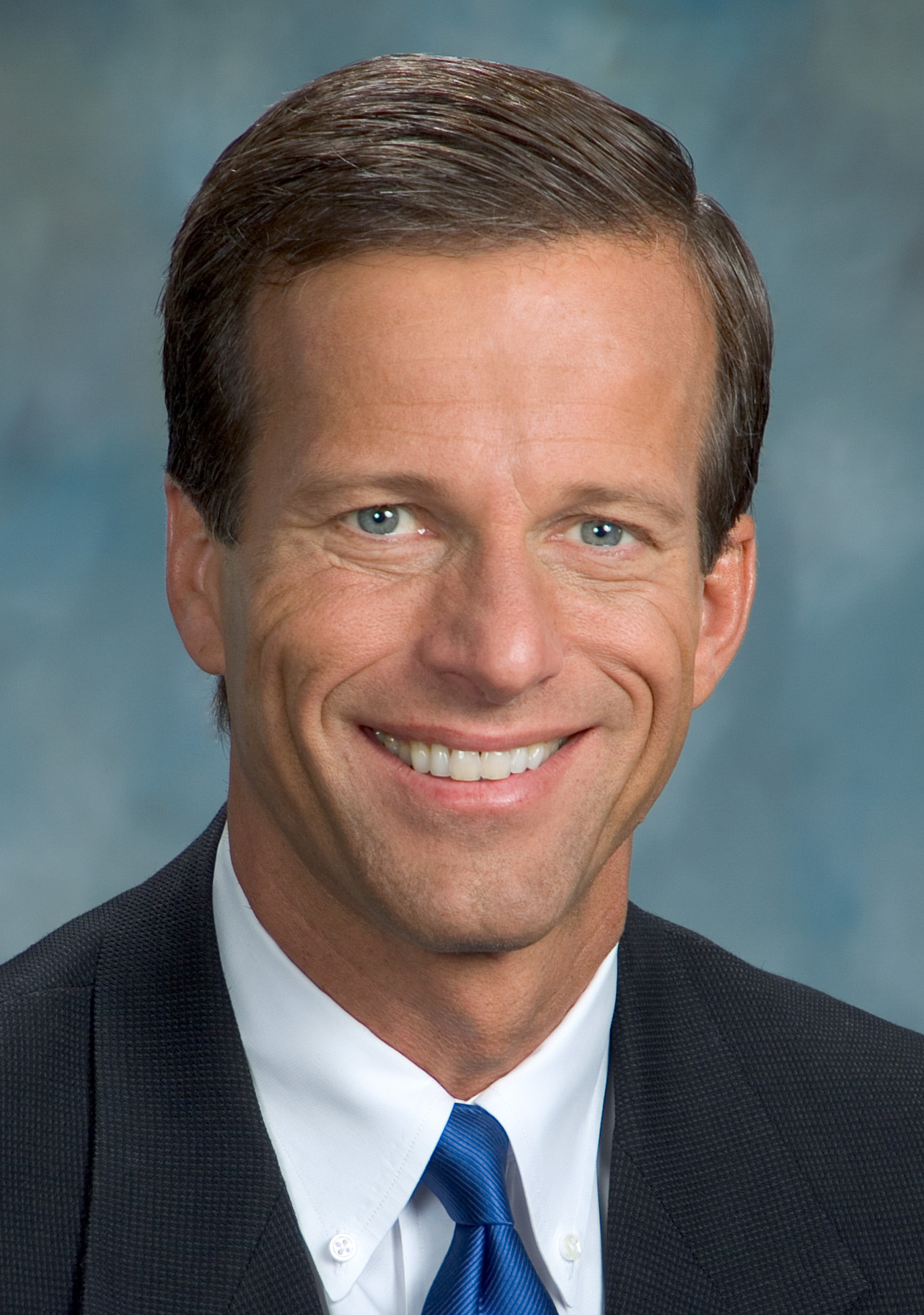
The fight is not just personal. It is testing whether Republicans can run the Senate while Trump keeps forcing new political and procedural battles.
Senate Republicans are breaking with Donald Trump, and the feud between Trump and Senate Republicans is escalating around Majority Leader John Thune, G.O.P. confirmations and must-pass legislation. The New York Times reported June 17 that Trump abruptly derailed a planned intelligence confirmation process while pressing senators to attach voting restrictions to a critical surveillance bill — the kind of disruption that is making Trump a political liability for Republicans trying to run the Senate.
If the shorthand is that Republicans are officially tired of the chaos, the more precise story is sharper: Senate Republicans are not abandoning Trump’s agenda so much as resisting the way he is trying to force it through a chamber built to slow presidents down.
Thune’s plan was upended
The immediate flashpoint, according to The Times, was Trump’s decision to yank a nominee from a confirmation hearing only hours before it was set to begin. That move scrambled work by Thune, the South Dakota Republican who leads the Senate, to avoid a mess over a sensitive national security post.
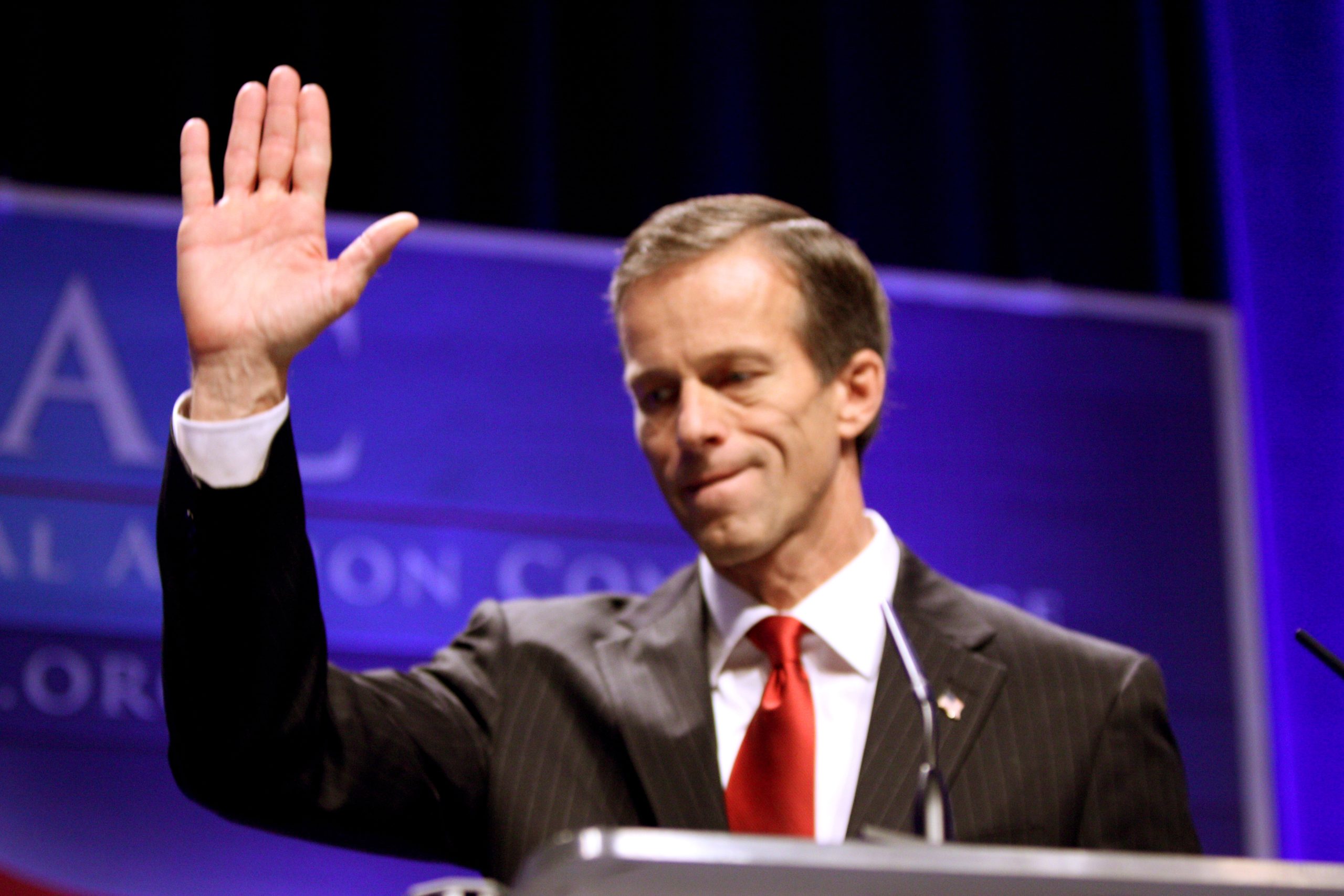
The Times reported that Thune had been moving quickly to confirm Jay Clayton for director of national intelligence, partly to prevent a temporary installation of Trump loyalist Bill Pulte, who had drawn resistance from members of both parties. Democrats, who have largely opposed Trump’s nominees, were reportedly signaling a willingness to cooperate on Clayton’s rapid confirmation.
Then Trump intervened. He did not just slow the process; he attached new demands that made the Senate’s path harder. The president called for voting restrictions to be tied to a critical surveillance bill and linked movement on Clayton to another confirmation fight.
For senators trying to keep the floor schedule intact, that is not a small tactical tweak. It is a reminder that even unified party control can be fragile when the White House changes direction in public and expects the Senate to absorb the blast.
The feud is about control
The Trump-Thune rift has a personal edge, but the deeper conflict is institutional. Trump favors pressure, public loyalty tests and immediate wins. The Senate runs on vote counts, committee process, unanimous consent and rules that often give the minority leverage.
That mismatch has followed Trump since his first term. He has long been frustrated by the Senate’s resistance to raw majority rule, especially the filibuster. Thune, like Mitch McConnell before him, has defended the chamber’s prerogatives even while trying to advance Republican priorities.
In the current fight, Trump’s demands put Thune in a particularly awkward position. The Times noted that attaching stalled voting legislation to a surveillance bill could require Republicans to weaken or abandon both the legislative filibuster and the Judiciary Committee’s blue slip tradition, which gives home-state senators influence over certain federal nominees.
That is not just a procedural footnote. Thune has built his leadership identity around protecting the filibuster. Trump was effectively asking him to trade that legacy for a voting measure that, by the reported vote math, did not have enough support to pass on its own.
Republicans are airing frustration
What makes this moment notable is not that Trump is feuding with Republicans. It is that Senate Republicans are speaking more openly about how disruptive the feud has become.
Senator Susan Collins of Maine told The Times that Trump had put Thune in a very difficult position. She pointed to late-night posts demanding a total change in direction and said they make committees chaotic.
Senator Thom Tillis of North Carolina was blunter. He described the relationship between the White House and Senate Republicans as “less than optimal,” called the delay of the confirmation hearing a bad move and said Trump’s actions were undermining the party’s ability to deliver the results he wants.
Thune himself gave a terse answer when asked what Trump was trying to accomplish: “Good question.” For a leader usually careful with public criticism, that kind of restraint can speak loudly.
The agenda keeps getting crowded
The confirmation dispute is only one part of a larger pileup. The Times reported that Senate Republicans have raised concerns about several Trump-driven issues, including a proposed ballroom project, a fund related to damages for Jan. 6 defendants, Justice Department-related tax audit protections, and the selection of Pulte.
Some Republican senators have also been careful about Trump’s Iran cease-fire deal, saying they had not been fully briefed. That matters because foreign policy is one area where presidents often expect party deference, especially in moments they portray as diplomatic achievements.
Meanwhile, the party’s preferred message is far more conventional: tax cuts, affordability and the economy. Every day spent explaining nomination turmoil, internal fighting or a sudden procedural demand is a day not spent selling that agenda.
That is why Trump is becoming a political liability for Republicans even when many of them still support his policies. The problem is not only what he wants. It is the timing, the public pressure and the collateral damage to the Senate’s calendar.
Trump still holds real leverage
None of this means Senate Republicans are free of Trump. He remains the dominant figure in the party, and many Republican voters still view criticism of him as disloyalty. Senators know that a public fight with Trump can invite primary threats, fundraising headaches and conservative media backlash.
The Times reported that tensions had already been rising after Trump endorsed primary challengers to two Republican incumbents who later lost. Inside the party, such moves were seen as slaps at Thune and a sign that Trump was willing to put personal grievances ahead of Senate strategy.
That is the dilemma for the G.O.P. Senate majority. If senators resist Trump, they risk angering the party’s most powerful messenger. If they give in, they may weaken Senate rules, derail floor work and own the fallout from fights they did not choose.
The House can often move with the speed Trump wants because Speaker Mike Johnson has generally taken pains to align with the president. The Senate cannot operate the same way, and Thune’s job is to keep explaining that to a president who does not like hearing it.
The break has limits
Calling this a full Republican break with Trump would go too far. Senate Republicans are not suddenly becoming a Trump opposition party. Most still need him, many agree with him on core policy goals, and few want an open civil war before an election.
But the rupture is real in a narrower and more consequential sense. Senate Republicans are signaling that Trump’s tactics are making it harder to govern, harder to confirm nominees and harder to stay focused on the issues they believe can win elections.
The unanswered question is whether Thune can turn private frustration into a workable boundary. That could mean preserving the filibuster, shielding committee work from sudden White House reversals or refusing to staple unrelated Trump demands onto critical bills.
For now, the feud shows the central tension of Trump-era Republican governance: the party can control Washington on paper and still struggle to control its own agenda. The Senate’s message to Trump is not a clean goodbye. It is a warning that loyalty has operational limits.
Leave a Reply