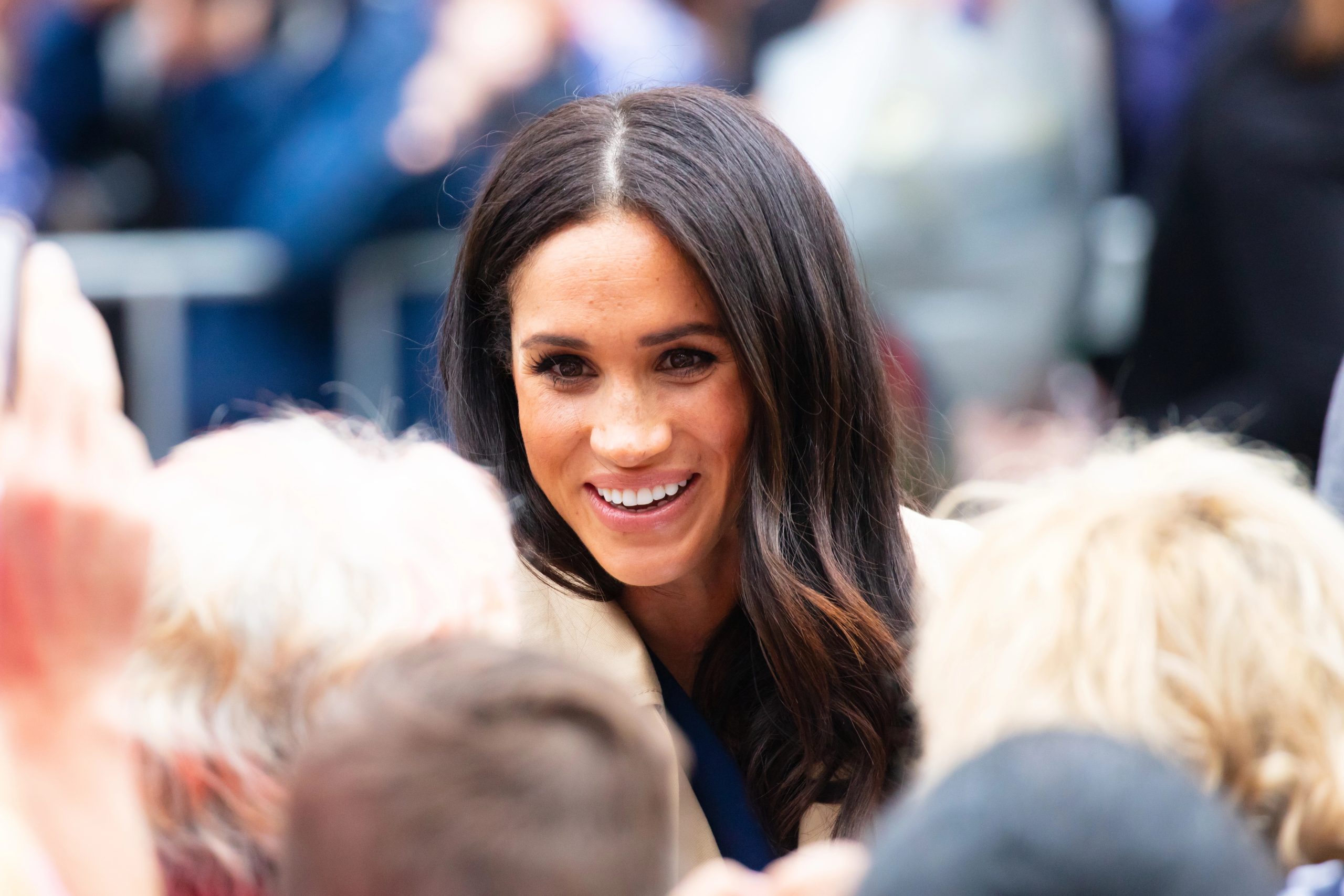
The Duchess of Sussex’s cooking-show cameo mixed polished lifestyle branding with live-TV awkwardness, a combination that quickly invited close reading. The bigger question is how much viewers can really infer from a few edited moments.
Meghan Markle appeared on MasterChef Australia as a guest judge in the July 26 episode, and a body language expert analyzed her demeanor during the episode. The expert said she appeared vulnerable and out of her comfort zone, a reading that matters because the appearance was also one of her most visible returns to television since building a public lifestyle brand.
The cooking-show cameo put the Duchess of Sussex in a format that rewards warmth, speed and improvisation — not just polish. That tension is why a brief guest spot has turned into a larger conversation about how Meghan presents herself when she is not fully controlling the room.
A softer TV return
Meghan’s appearance was not a traditional celebrity interview, a scripted acting role or a glossy lifestyle segment. It was a guest-judge slot on a competitive cooking show, filmed during her four-day trip to Australia with Prince Harry in April and aired as part of Season 18.
USA Today reported that the former Suits actress, now 44, entered to applause from the judges, the final four contestants and previously eliminated cooks. She was there to help introduce a mystery box challenge built around food memories, family stories and a chosen “hero” ingredient.
That setup gave Meghan plenty of brand-friendly territory. Food, home, gardening and hospitality all overlap with the image she has cultivated through her Netflix lifestyle work and her As Ever brand. But MasterChef Australia is not a controlled product launch. It is a busy studio with contestants under pressure, judges watching closely and editors shaping the final cut.
Why vulnerability became the story
The body-language interpretation, reported by OK! Magazine and circulated through MSN, described Markle as appearing “vulnerable” and “out of her comfort zone.” That does not mean Meghan said she felt that way, and it should not be treated as a verified account of her inner state.
Body-language commentary is, by nature, interpretation. It can point to visible cues — hesitation, posture, facial expressions, pacing, how a person handles interruption — but it cannot prove what someone is thinking. In celebrity coverage, those readings often become shorthand for a larger public narrative.
In Meghan’s case, that narrative is especially loaded. Supporters often see her as composed under relentless scrutiny. Critics often interpret the same composure as overly managed. A cooking-show environment complicates both views because it rewards a kind of relaxed spontaneity that celebrity branding can struggle to fake.
The small moments stood out
The episode included details that helped fuel the softer read. When judges Poh Ling Yeow, Sofia Levin and Jean-Christophe Novelli encouraged Meghan to call out the 30-minute warning, she did not simply shout across the kitchen. According to USA Today, she said, “I don’t like to yell,” then approached the contestants individually to tell them they had half an hour left.
That moment could be read in two very different ways. One view is that it showed discomfort with the performative authority expected in a loud competition kitchen. Another is that it fit Meghan’s on-screen persona: gentle, conversational and careful about how she occupies space.
Neither reading cancels the other. Television often turns small gestures into character beats, especially when the guest is already one of the most analyzed women in the world. A line as simple as “I don’t like to yell” becomes both a personality clue and a production moment.
Food talk played to her brand
The challenge itself gave Meghan an easy bridge into her lifestyle identity. Contestants Vinnie Gibaldi, Petro Papathomas, Casper Kenworthy and Aaron Kher were asked to choose an ingredient and build a dish that connected to memory or family.
The ingredient options included Australian honey, lemons, macadamia nuts, apples, Jerusalem artichokes, celeriac and quince. USA Today reported that Meghan mentioned her children eat Brussels sprouts and that she grows strawberries and mandarins at home.
Those details sound small, but they are exactly the kind of domestic notes that have become central to Meghan’s post-royal public image. She was not just judging food; she was appearing as someone whose authority comes from taste, home life and storytelling rather than culinary training.
The winning dish also gave her a clean applause moment. Papathomas earned immunity and the first of three spots in the final with celeriac ice cream, sautéed celeriac, pickled apples and hazelnut crumb. Meghan praised the dish, saying she could not understand how it was “so good,” according to USA Today.
Harry’s cameo added another layer
The episode also featured a surprise FaceTime moment with Prince Harry. USA Today reported that a production team member handed Meghan an iPhone during judging, with Harry on the call from Canberra, where he was meeting veterans.
Harry opened with “G’day” and joked about whether he had interrupted something important. Meghan greeted him as “my love,” introduced him to the chefs and told him the contestants were talented, according to the report.
For viewers, the cameo did two things at once. It added charm and familiarity to the segment, but it also pulled Meghan’s royal-adjacent celebrity status back into the frame. Even in a cooking competition, the Sussex story tends to follow her.
That is part of why a body-language reading can travel so quickly. Meghan’s expressions are rarely treated as just expressions. They are treated as clues in a larger debate about reinvention, control, authenticity and public approval.
What viewers can actually know
The fairest takeaway is narrow: Meghan looked polished at times, gentle at others, and less forceful than a typical competition-show judge might be. A body-language expert interpreted that as vulnerable and out of her comfort zone. The episode itself also showed her engaging warmly with contestants, talking comfortably about food and participating in the show’s rhythm.
What remains unclear is how much of the perceived awkwardness came from Meghan herself, how much came from editing, and how much came from the expectations placed on her. A guest judge on a highly produced episode is never seen in full. Viewers receive a constructed version of the day.
That does not make the reaction meaningless. Celebrity television is built on performance, and performance is judged partly through tone, timing and body language. But the most interesting part of Meghan’s MasterChef Australia turn may not be whether she was comfortable. It may be that comfort itself has become one more thing the public expects her to prove.
Leave a Reply