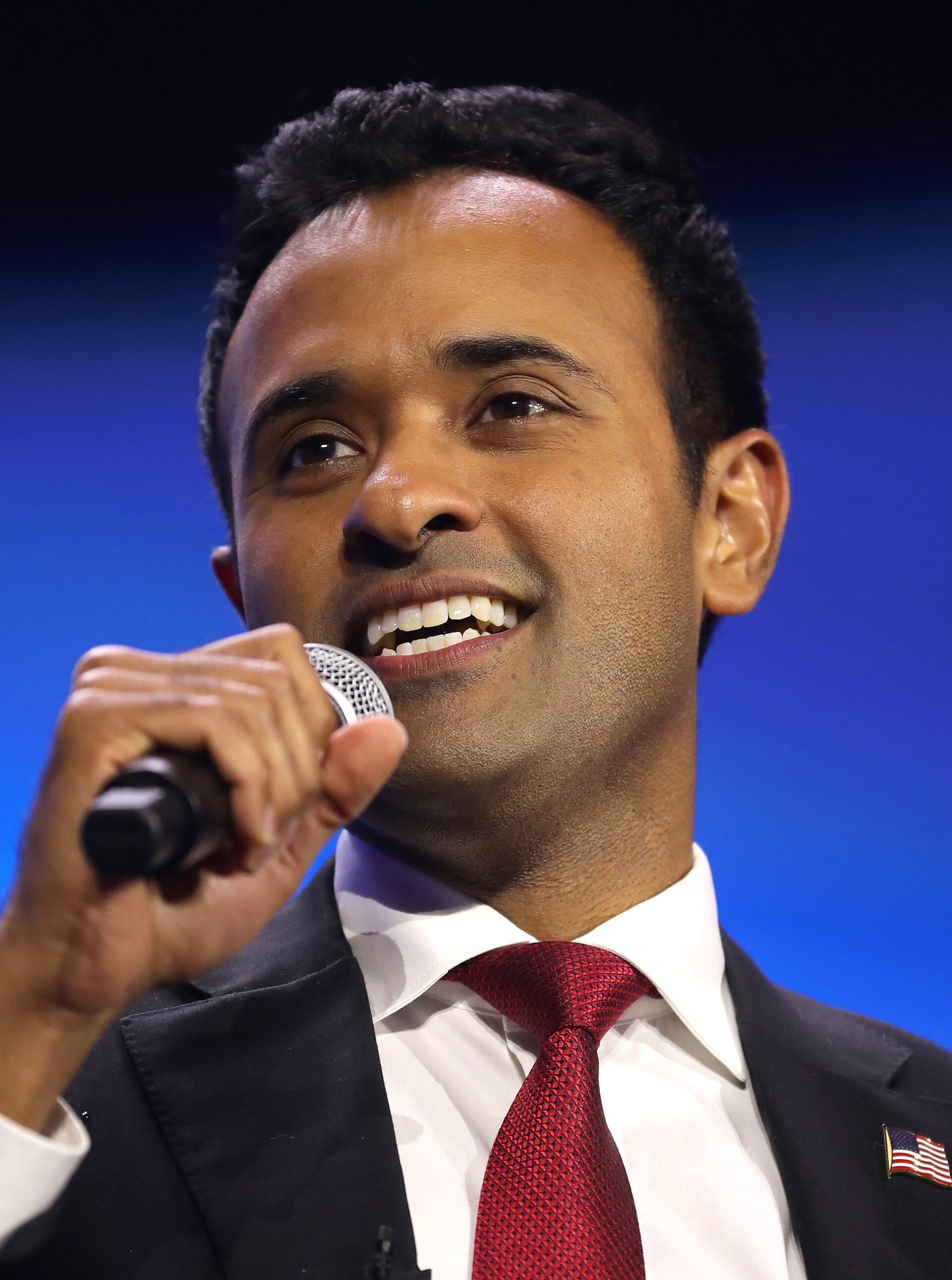
The sharpest part of the Ramaswamy tax fight is not the insult. It is the reminder that Ohio’s property-tax system and income-tax system do very different jobs.
Vivek Ramaswamy is the target of a Columbus Dispatch Opinion column whose headline says, "Ramaswamy’s weary staff hasn’t explained property, income taxes to him, so I will | Opinion." The point is not just a jab at Ramaswamy’s weary staff; it is an Ohio tax lesson about property taxes, income taxes and why the Ohio Department of Taxation separates systems that often get blurred in political talk.
The useful question is simpler than the insult: how do these taxes actually work, and what would a candidate, homeowner or voter need to understand before promising relief?
Tax talk starts with definitions
Property taxes and income taxes are not two labels for the same burden. They are built on different tax bases, collected through different machinery and used in different ways.
A property tax starts with the value of real estate. An income tax starts with earnings or taxable income. That distinction sounds basic, but it matters whenever a politician talks about cutting taxes without saying which tax, whose bill and which public services would be affected.
The Columbus Dispatch column frames that as a problem for Ramaswamy. Strip away the opinion-page bite, and the civic point remains: tax promises are easy when the word tax is used as a catchall. They get harder when Ohio’s actual rules enter the conversation.
Ohio property taxes begin locally
The Ohio Department of Taxation says property taxes fund essential services including schools, emergency response and infrastructure in Ohio communities. That is why these bills can become politically explosive: they are paid by property owners, but they are tied to local public services voters often say they want protected.
In Ohio, the value of a property is determined by the county auditor. The department’s property-tax resource hub explains that taxes are based on the assessed value of the property and the buildings on it.
That value is not frozen forever. Ohio uses a cycle of full reappraisals and updates. Every six years, property goes through a full reappraisal. Every three years, the value is updated through what the state calls a triennial update.
The result is the part many homeowners feel most directly: if market values rise, a home can be assigned a higher value even if the owner did not add a room, remodel the kitchen or move to a different neighborhood.
Millage turns value into bills
Valuation is only one side of the property-tax equation. The other side is the tax rate, usually discussed as millage.
The Ohio Department of Taxation defines a mill as one-tenth of a cent, or $0.001. The state gives a simple example: if a property’s taxable value is $100,000 and the millage rate is 20 mills, the owner pays $20 for every $1,000 of taxable value, for a total property-tax bill of $2,000.
That math helps explain why two neighbors can talk past each other. One person may be focused on a rising home value. Another may be focused on a school levy or local-government request. Both can affect the bill, but they are not the same thing.
Ohio also distinguishes between inside mills and outside mills. The state says inside mills are set by local governments and are not subject to voter approval, while outside mills are tied to voter-approved levies for services such as schools, fire departments or public infrastructure.
Income tax is a separate machine
Income taxes work differently because they are tied to income, not the value of a home. A person can have a high property-tax bill and a lower taxable income, or a high income and little direct exposure to property tax if they rent.
Ohio’s income-tax system is administered separately from property taxation. For individual taxpayers, income-tax obligations generally involve taxable income, withholding or estimated payments, credits, deductions and annual filing rules. The important point for this debate is that income tax does not rise because a county auditor says a house is worth more.
Ohioans may also encounter local income taxes, including municipal or school-district taxes depending on where they live or work. That adds another layer to a discussion that already gets flattened in campaign language.
So when a public figure says Ohioans are taxed too much, the follow-up matters: by the state, the city, the school district, the county, or a voter-approved levy? A serious answer has to identify the pipe before it promises to shut off the water.
The politics are the hard part
The opinion column’s argument is that Ramaswamy needs these tax basics explained. That is a pointed claim, and supporters of Ramaswamy may see it as more attitude than analysis.
Still, the underlying tension is real. Many Ohio homeowners are angry when rising property values translate into higher bills. They may not care whether the driver is a reappraisal, a triennial update, a levy, a school-funding formula or a mix of factors. They see the bill.
Local officials, school districts and public-safety agencies see the other side. Property taxes are not just an abstract burden; they are revenue for classrooms, roads, fire protection and emergency response. Cutting the bill without replacing the revenue can mean cutting services or shifting the cost somewhere else.
That is where income-tax talk often enters the debate. A politician can propose lowering one tax, raising another, broadening a base, adding exemptions, capping increases or sending state money to local governments. Each option creates winners, losers and trade-offs.
What voters should watch next
The practical test for any Ramaswamy tax argument, or any Ohio tax proposal, is specificity. A promise to lower taxes is not enough to judge policy.
Voters should look for several basic answers:
- Which tax is being changed? Property tax, state income tax, municipal income tax and school-district taxes are different systems.
- Who benefits first? Homeowners, renters, retirees, high earners, low-income households and businesses can be affected differently.
- What happens to local services? Property taxes help fund schools, emergency response and infrastructure, according to the Ohio Department of Taxation.
- Is the change about values or rates? A cap on appraisals is not the same as a cut in millage.
- Who replaces the revenue? If the state reduces local tax collections, the money may need to come from another source.
The Dispatch column uses a sharp opinion-page voice to make its point about Ramaswamy. The better takeaway for readers is less partisan and more useful: in Ohio, property taxes and income taxes do not operate by the same logic.
That is why the basics matter. Before any politician can credibly promise tax relief, Ohioans deserve to know which bill is being reduced, which government loses money and which public service or taxpayer makes up the difference.
Leave a Reply