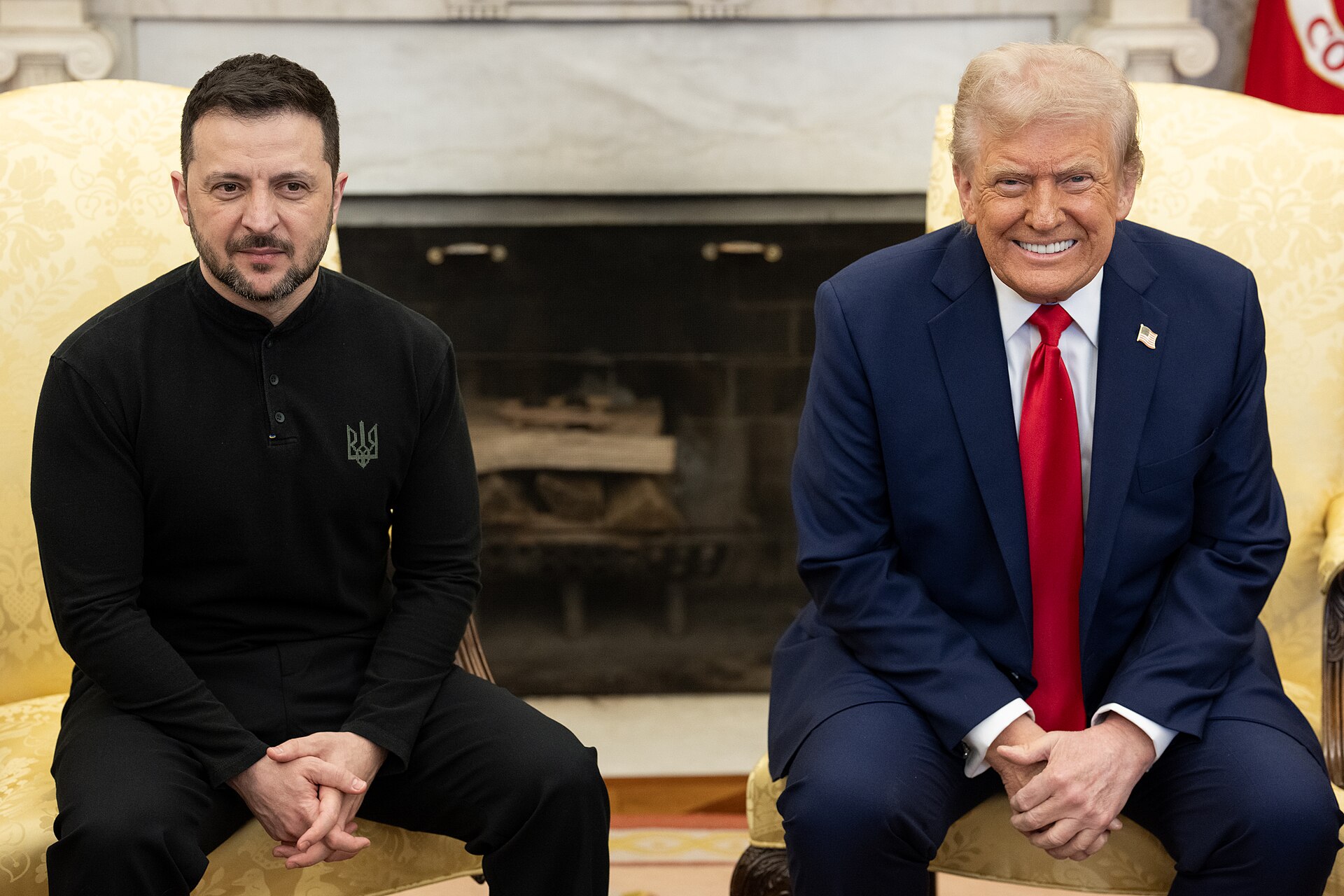
The warm language matters because Kyiv is trying to turn a better relationship with Trump into weapons, sanctions pressure and diplomatic leverage against Russia.
Donald Trump praised his meeting with Volodymyr Zelenskyy after the Ukrainian president visited Washington, and Trump called it a “great honor” to meet him. The meeting was held Tuesday in the Oval Office, where the two discussed support for Ukraine, including Patriot interceptor production and diplomacy as the war with Russia grinds on.
The cordial tone is notable because Trump has long been a skeptic of open-ended U.S. aid to Kyiv. Now, Zelenskyy is trying to convert improved personal ties into practical help: air defenses, weapons production, sanctions pressure and a stronger negotiating position.
A warmer White House tone
Trump posted after the closed-door meeting that “many things were discussed” and that the meeting “went very well,” according to The Associated Press. Zelenskyy also described the session positively, thanking Trump for a “good meeting” and for the administration’s efforts to help Ukraine.
The words matter less than the shift they suggest. Trump’s relationship with Zelenskyy has been tense at points, including a previous White House encounter in Trump’s second term that turned combative. This visit, by contrast, produced public praise from both leaders.
For Ukraine, tone is not a side issue. Zelenskyy needs continued U.S. backing at a time when Russia is still launching missile and drone attacks and when Washington’s attention has also been pulled toward the Middle East.
Patriots were central again
Zelenskyy said he and Trump discussed licenses for Patriot interceptor production and “several other ideas that could help.” Patriot systems are among Ukraine’s most urgent needs because they can intercept advanced Russian missiles that other air defense systems may struggle to stop.
The meeting followed a NATO summit earlier this month in Ankara, Turkey, where Trump announced that the United States would give Ukraine a license to make Patriot defense systems, according to AP. Kyiv had long sought that step as a way to build more capacity for its air defenses.
But licensing production is not the same as delivering missiles tomorrow. Zelenskyy later told senators that Ukraine remains grateful for the manufacturing path but still needs U.S.-provided missiles this year, with European funds used to pay for them, AP reported, citing people familiar with the private discussion.
That distinction is the core tension in the meeting: Ukraine is looking for long-term industrial cooperation, but Russia’s attacks create a near-term demand for interceptors now.
Kyiv wants production power
Zelenskyy’s Washington visit was not limited to Trump. He also met with Lockheed Martin officials to discuss defense production and technology cooperation, saying Ukraine has “a lot to share” with countries helping it protect lives.
That message reflects a broader Ukrainian pitch: Kyiv is not only asking for weapons, but also presenting itself as a wartime laboratory for modern defense manufacturing. Ukraine has rapidly adapted drones, air defense tactics and battlefield technology during the war.
Luke Coffey, a senior fellow at the conservative-leaning Hudson Institute, told AP that expanding Patriot interceptor production would matter not only for Ukraine, but also for the United States and Gulf allies as supplies are strained. He argued that Ukraine’s defense industry has shown it is capable and innovative.
The argument may appeal to policymakers who worry about U.S. stockpiles. If Ukraine can eventually produce more interceptors, supporters say that could ease pressure on American inventories while giving Kyiv a more durable defense base.
Sanctions pressure remains part of the pitch
Zelenskyy also pressed U.S. senators for a sanctions bill aimed at increasing pressure on Russia, according to AP. The package is designed to punish countries that buy Russian oil, gas and other exports, a strategy meant to hit Moscow’s revenue and morale.
The sanctions push is tied to the late Sen. Lindsey Graham, whose funeral brought Zelenskyy and other leaders to Washington. Trump welcomed Zelenskyy as the Ukrainian leader came to honor Graham, a close Trump ally and one of the strongest Republican supporters of Ukraine.
In a Fox News interview Tuesday, Trump recalled Graham’s hawkish view of the war and said the South Carolina senator’s support for Ukraine had not wavered. Trump also said Graham had favored making a deal with Iran but had no similar suggestion for the Russia-Ukraine war.
That backdrop matters because Republican support for Ukraine has been uneven. Graham represented the more interventionist wing of the party, while other Trump-aligned voices have pushed against continued aid or questioned Kyiv’s strategy.
Russia and Iran add urgency
The Ukraine war is also increasingly tangled with wider global conflicts. Zelenskyy warned that Russia has been helping Iran by capturing satellite imagery of U.S. bases in the Persian Gulf that later appears in Iran, according to AP.
He said there was a “clear correlation” between Russian images and later Iranian strikes. Iran has been a key partner for Moscow during the Ukraine war, especially through drone technology and supply networks.
Trump, however, downplayed the possible impact of Russian assistance to Iran, telling reporters Monday that he did not think such help was happening “at a high level,” AP reported.
That difference shows another challenge for Zelenskyy. He is trying to convince Washington that Ukraine’s fight is connected to broader U.S. security concerns, while Trump may be reluctant to treat Russia’s links with Iran as a decisive factor.
The next test is delivery
The immediate takeaway is clear: Trump and Zelenskyy publicly presented the Oval Office meeting as productive, and both sides emphasized support, diplomacy and defense cooperation. The harder question is what changes on the battlefield.
Several details remain unclear. The meeting was closed to the media. Future travel by Trump envoys Steve Witkoff and Jared Kushner to Kyiv was discussed, AP reported, citing a person familiar with the talks, but no public timetable was announced.
Ukraine also still needs decisions on near-term interceptor supplies, the pace of Patriot production licensing, and whether Congress will advance tougher sanctions on Russia-linked trade. Those are policy choices, not photo opportunities.
For Zelenskyy, Trump’s “great honor” line is useful because it signals access and a warmer political climate. For Ukraine, the value of the meeting will be measured in missiles, manufacturing capacity and pressure on Moscow.
Leave a Reply