The rejected application highlights the risks of altering listed properties first and asking for approval later, especially in protected rural areas.
Businessman Ashkin Mittal built an unauthorised conservatory on his Grade II-listed Airbnb cottage without planning permission, and his bid to keep it was rejected after the conservatory was described as an eyesore. The dispute centers on Smallbrook Cottage in the New Forest National Park, Hampshire, where residents objected that the box-shaped addition jarred with a protected rural setting.
Planning authorities at the New Forest National Park Authority refused retrospective permission at a July 21 committee meeting, according to a Daily Mail report. The case matters because it shows how listed-building controls can collide with profitable holiday-let upgrades — and why building first can leave owners exposed.
A cottage upgrade backfires
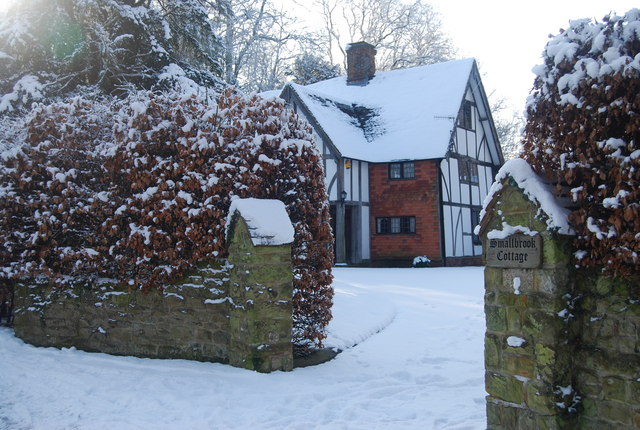
Smallbrook Cottage is not an ordinary rental property. It is a thatched, Grade II-listed cottage in one of England’s best-known protected landscapes, and it has been used as an Airbnb reportedly advertised at about £500 a night.
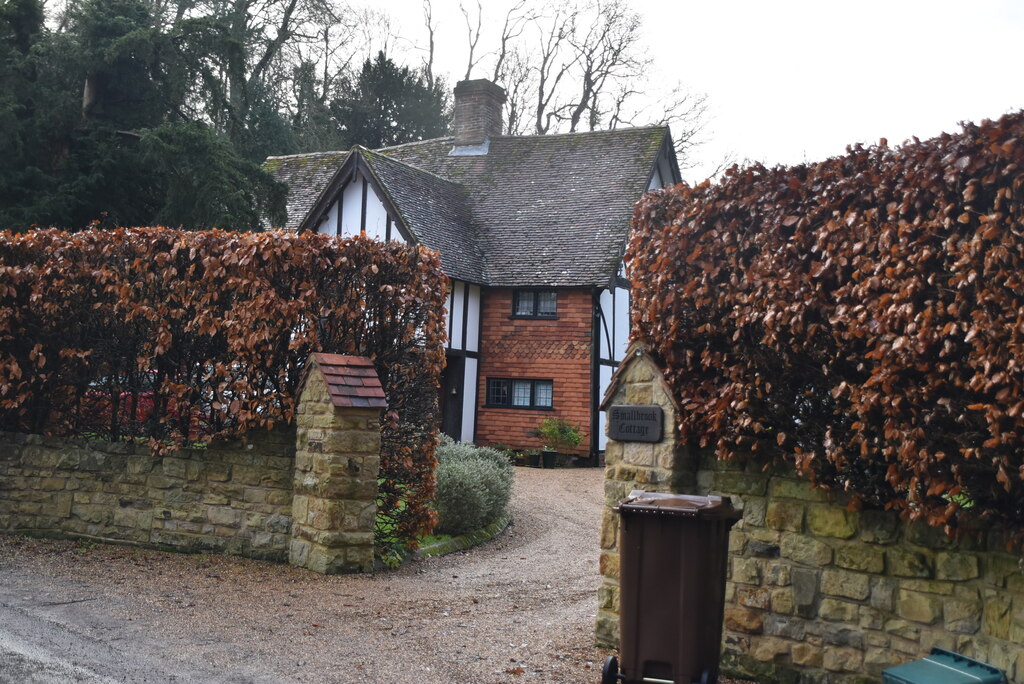
Mittal, a 55-year-old property developer, added a glass and pale green conservatory to the side of the cottage without first obtaining planning permission, the report said. Residents living nearby objected, calling the extension “appalling,” “inappropriate” and out of character with the area.
The New Forest National Park Authority planning committee then considered a retrospective application — essentially a request to approve work after it has already been carried out. Members voted against it, despite an officer recommendation to approve.
That detail is important. This was not simply a case of paperwork missing from a minor home project. The committee had to decide whether the finished structure was acceptable on a protected listed property in a national park setting.
Why the committee said no
The strongest criticism came from councillors who viewed the conservatory as harmful to the building’s appearance and setting.
New Forest Councillor David Harrison told the committee he did not like the extension and thought it “ruins a lovely building,” according to the report. He described it as a “carbuncle” on a beautiful property and voted against the recommendation to approve.
Another councillor, Brice Stratford, was quoted as saying it was “abominable” that works had been carried out to a listed building without consent or engagement with people who understood listed buildings. He said the structure was not sympathetic to the property and that he was “appalled” it had happened.
The committee’s refusal means Mittal has not secured permission to keep the conservatory as built. It does not automatically mean demolition has already been ordered, but it opens the door to enforcement consequences.
The listed-building problem
Grade II status gives a building legal protection because of its special architectural or historic interest. It does not mean a property can never be changed, but alterations usually need close scrutiny before work begins.
The Daily Mail report noted that extensions to Grade II-listed buildings can be possible, but they require the proper permissions, including listed building consent and planning permission, before construction starts.
That is where retrospective applications become risky. Owners sometimes apply after work is done, hoping planners will accept the final result. But if the authority decides the alteration harms the building or its surroundings, the fact that money has already been spent may not save it.
For protected places such as the New Forest, the issue is not just whether a conservatory is useful or attractive to guests. Planners also weigh the character of the building, the wider landscape and the cumulative impact of modern additions in rural settings.
Residents saw an eyesore
Local objections focused on appearance. Residents reportedly complained that the box-shaped conservatory was an eyesore and out of keeping with the rural character of the area.
That language may sound subjective, but visual impact is often central to planning decisions, especially in conservation-sensitive settings. A structure can be functional and still fail if decision-makers believe it harms a listed building’s character.
The short-term rental element adds another layer of local sensitivity. A £500-a-night Airbnb in a national park can already draw attention from neighbours concerned about commercialization, traffic or changes to village life, though the available report centers specifically on the conservatory and planning consent.
Airbnb itself is not accused of wrongdoing in the reported dispute. The planning issue concerns the owner’s alteration to the property and the authority’s refusal of the retrospective application.
What Mittal owns nearby
Mittal is reported to own the Hamptworth Estate, which runs Smallbrook Cottage, a nearby golf club and the Cuckoo Inn pub. The report also described him as a London-based developer with a wider property portfolio.
The conservatory refusal is not the only recent planning setback linked to his local interests. Two months earlier, he reportedly had retrospective permission rejected for a 37-metre-wide padel court built for his golf club. That decision has been appealed, according to the report.
The two cases are separate, but together they underline the same planning lesson: retrospective approval is not guaranteed, even for owners with substantial resources or commercial plans.
A neighbour quoted anonymously suggested Mittal could afford any penalties. Councillor Harrison said consequences in such cases can be “punishing” and, in the extreme, could include demolishing the structure and building something more in keeping with the New Forest.
What happens next
The immediate outcome is clear: the bid to keep the conservatory has failed. What remains unclear is the precise enforcement path the authority will take and whether Mittal will challenge the refusal.
Planning authorities can have a range of options after refusing retrospective permission. Depending on the case, they may seek removal, require alterations, invite a revised proposal or face an appeal from the applicant.
The available report does not include a detailed public response from Mittal to the committee’s refusal. It also does not say that a demolition order has already been issued.
For homeowners, landlords and holiday-let operators, the takeaway is blunt: listed buildings are not the place to test the “ask forgiveness later” approach. In a national park, a conservatory can become more than an amenity — it can become a planning battle over the character of a place.
Leave a Reply