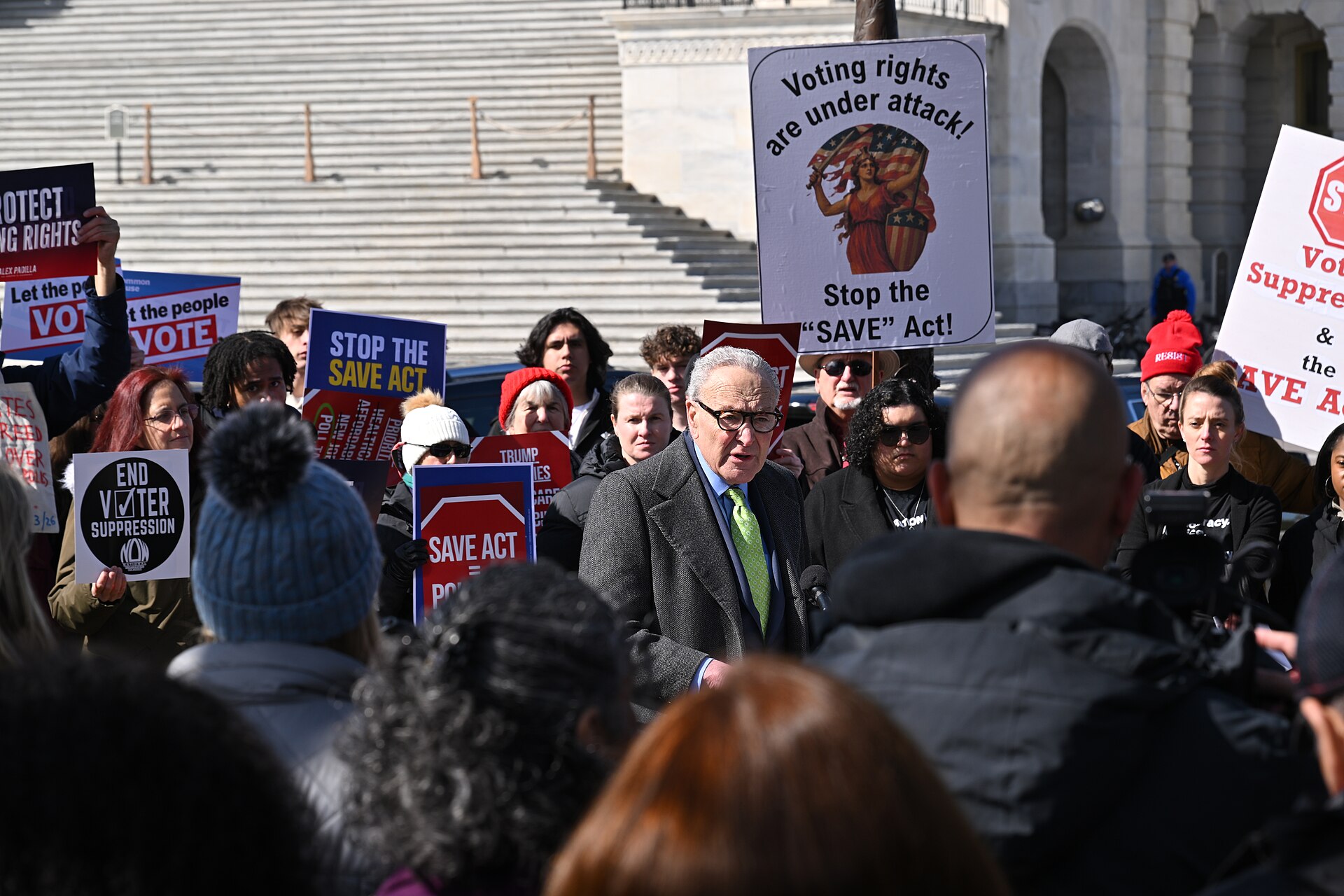
The fight is not just about senators leaving Washington. It is a test of whether GOP pressure can overcome the filibuster math around a major voting bill.
Republicans want the August recess canceled to advance the SAVE Act, but the SAVE Act still lacks enough Senate support to pass. The push, now aimed at keeping the U.S. Senate in session through August, matters because the bill faces a 60-vote hurdle that Republicans have not shown they can clear.
President Donald Trump has pressed Senate Majority Leader John Thune to keep senators in Washington until they pass the voting measure, according to reporting by The Associated Press published by PBS. The demand turns a routine summer break into a test of GOP discipline, Senate rules and election-year messaging.
The calendar is the pressure point
The August recess is more than time off. It is when senators return to their states, meet voters, raise money and campaign ahead of elections. Canceling or delaying it would be a visible sign that Republican leaders are treating the SAVE Act as a must-pass priority.
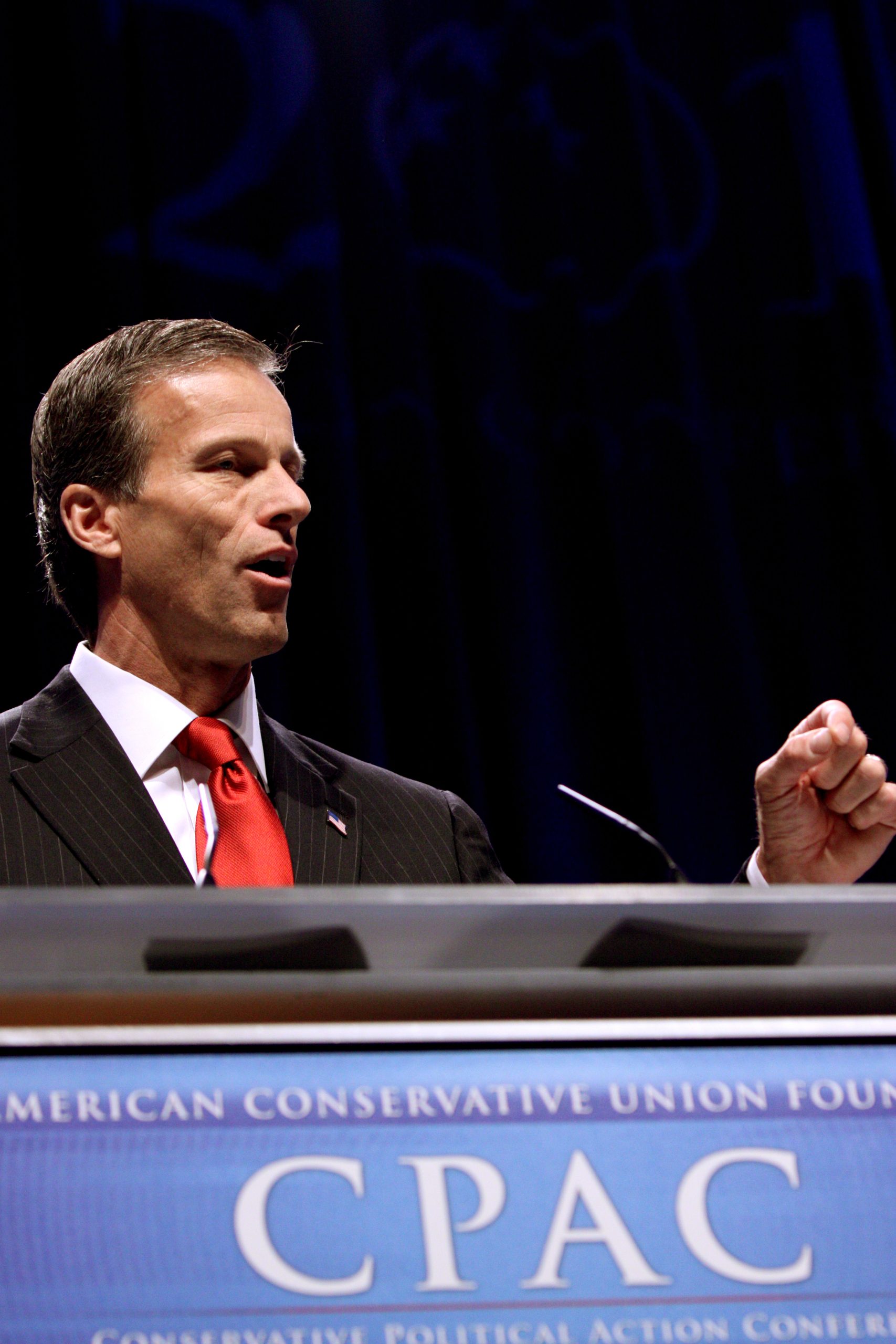
Trump has argued that the Senate should not “leave town” until the bill is passed, or should go further and end the legislative filibuster. That demand puts Thune in a familiar bind: he can extend floor time, but he cannot manufacture votes that are not there.
According to the AP report, the August break was scheduled to begin Aug. 7. Thune had hoped to use the final stretch before then on several issues, including government funding, cryptocurrency legislation and Russia sanctions.
The recess fight therefore has two layers. One is symbolic: Republicans showing they are willing to stay and fight. The other is procedural: whether any extra days in Washington would change the vote count.
Why 60 votes still rule
The central obstacle is the Senate’s legislative filibuster, which effectively requires 60 votes to advance most bills in the 100-member chamber. Republicans hold a 53-47 majority, based on the AP account, leaving them short unless Democrats join them or the rules change.
Thune has repeatedly said Republicans do not currently have the votes to pass the bill or to change Senate rules to get around the filibuster. That is the part of the story that makes the recess demand politically powerful but legislatively uncertain.
A Senate majority can keep the chamber in session. It can schedule votes. It can force debate. But unless the threshold changes, or enough senators switch positions, the bill remains blocked by the same arithmetic.
That is why the demand to cancel recess is also a demand for a strategy. Trump and other Republicans are not just asking Thune to spend more time on the floor; they are asking him to find a route through a chamber designed to slow partisan legislation.
What the SAVE Act would change
The SAVE Act, short for the Safeguard American Voter Eligibility Act, would set new national voting rules. As described in the AP report, it would require Americans to prove citizenship when registering to vote, most often through documents such as a valid U.S. passport or birth certificate.
The measure would also require valid photo identification before voters cast ballots, a rule already in place in some states. Supporters frame the bill as a safeguard for election integrity and an answer to concerns about noncitizen voting.
Opponents and voting-rights advocates argue the bill could make registration harder for eligible citizens who do not have documents readily available. Voting experts cited in the AP report warned that millions of Americans could be affected if they lack immediate access to birth certificates, passports or similar proof.
That disagreement is why the bill has become more than a procedural fight. Republicans are treating it as a core election-security promise. Critics see it as a national restriction that could block lawful voters from participating.
Trump raises the stakes
Trump has made the SAVE Act a top legislative demand in 2026, tying it directly to the midterm elections. His pressure campaign has included calls to end the filibuster and public criticism that Senate leaders are not moving fast enough.
White House press secretary Karoline Leavitt said last week that Trump’s patience was running out, according to the AP report. Trump later said he had not “even thought” about replacements for Thune, while also saying the majority leader needed to get the job done.
That mix of pressure and restraint matters. Thune has retained broad support among Senate Republicans, but he is being squeezed by Trump, conservative activists and GOP senators who want a harder line.
Utah Sen. Mike Lee, who has led the Senate push for the bill, warned that the way Republicans handle the SAVE Act could affect not only the November midterms but also Senate GOP leadership elections. That signals the issue is being used to judge leadership, not just policy.
Republicans have tried other routes
Republicans have looked for ways around the 60-vote barrier. House Republicans approved a budget framework that included $10 billion for voting-related changes aligned with the SAVE Act, according to the AP report.
That approach would rely on budget reconciliation, a process that can allow certain fiscal measures to pass the Senate with a simple majority. But reconciliation has strict limits, and Thune has said Republicans do not currently have the votes for that route either.
That leaves the GOP with several imperfect options:
- Keep the Senate in session and continue trying to pressure holdouts or Democrats.
- Try to change Senate rules, a move Thune says lacks support inside the Republican conference.
- Use budget tools to advance related funding provisions, though that may not deliver the full policy Republicans want.
- Turn the fight into a campaign issue if the bill cannot pass before the midterms.
Each path carries costs. Staying in Washington disrupts senators’ home-state schedules. Changing the filibuster could reshape the Senate long after this bill. Reconciliation may be too narrow. Campaigning on failure risks reminding voters that Republicans control the chamber but still cannot pass the measure.
What remains unclear
The unanswered question is whether the recess fight changes any votes. So far, the public evidence points to a hard ceiling: Republicans support the bill broadly, but not enough senators support the procedural steps needed to pass it.
It is also unclear how long Trump and conservative senators will keep pressure on Thune if the math does not shift. Leaders can absorb some criticism when they have their conference behind them, but prolonged public pressure can narrow their room to negotiate.
Democrats, meanwhile, have little incentive to help advance a bill they view as restrictive. Unless a bipartisan group emerges around a narrower version, the SAVE Act appears likely to remain caught between Republican urgency and Senate rules.
The practical takeaway is simple: canceling the August recess could extend the fight, raise the political temperature and force more votes. It would not, by itself, solve the 60-vote problem that has stalled the SAVE Act.
Leave a Reply