The case is about more than trade policy. It tests how far a president can go in using tariff powers after a major Supreme Court defeat.
Twenty-five U.S. states are suing the Trump administration over President Donald Trump’s latest tariffs, with Democratic state attorneys general filing a lawsuit Monday that challenges a new trade move out of Washington. The lawsuit is about Trump’s latest tariffs: double-digit import taxes, including a 10% baseline in the recent tariff fight, aimed at 59 countries and the European Union.
This article explains why the states are challenging those tariffs in the United States now: they say the administration is trying to recreate import taxes the Supreme Court struck down, while the White House says it is using lawful authority to fight forced-labor trade practices and protect American workers.
A new fight after a court loss
The states’ core argument is straightforward: after losing at the Supreme Court, the Trump administration came back with another tariff plan that, in their view, serves the same purpose under a different legal label.
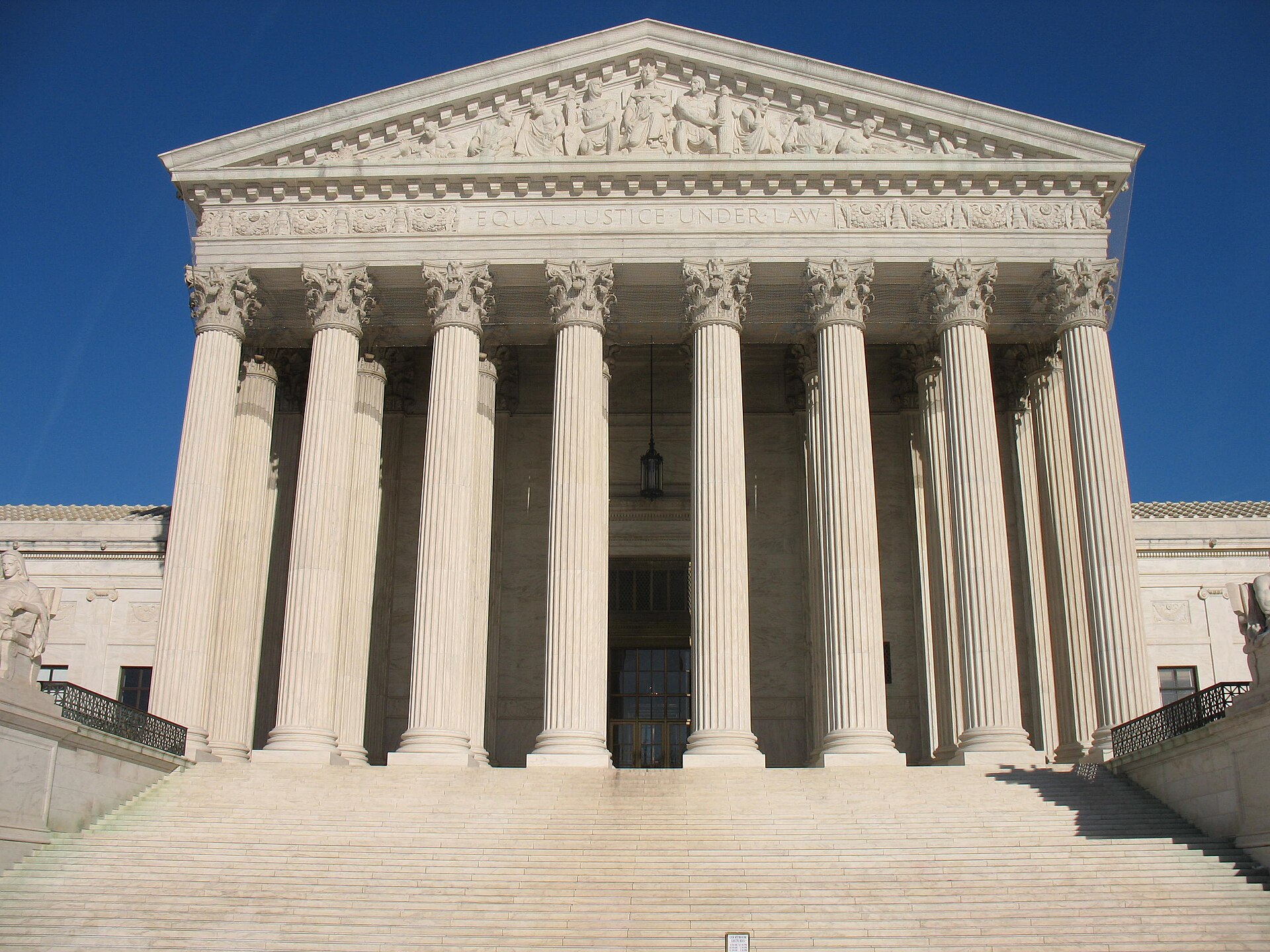
According to reporting from Reuters and the Associated Press, the 25-state coalition sued Monday over the administration’s latest tariffs. The states call the new round a pretext for replacing import taxes that the Supreme Court rejected in February.
New York Attorney General Letitia James, one of the Democratic officials opposing the policy, framed the tariffs as an unlawful cost on households and companies. She said the administration was “once again trying to illegally raise taxes on families and businesses with a new round of tariffs,” according to the AP report carried by PBS NewsHour.
That is why the case matters beyond the usual partisan fight over trade. If the states prevail, the administration’s ability to keep broad tariffs in place could be sharply narrowed. If the administration wins, presidents may have more room to shift tariff strategies after one legal theory fails.
What the tariffs actually do
The new tariffs target 59 countries and the European Union, according to the AP. They are tied to the administration’s claim that those trading partners have not done enough to prevent imports made with forced labor.
The rates are described as double-digit tariffs, ranging from 10% to 12.5%. The policy affects countries that account for the overwhelming majority of American imports, making the dispute far more than a symbolic legal skirmish.
For consumers and businesses, tariffs usually work like import taxes. Importers pay them, but the cost can be passed along through higher prices, thinner margins or changed supply chains.
That is the practical tension behind the lawsuit. The administration says tariffs can be a tool to pressure foreign governments and strengthen U.S. manufacturing. The states argue the policy is an illegal tax hike dressed up as trade enforcement.
The legal pivot at issue
Trump’s earlier tariff push relied on the International Emergency Economic Powers Act, known as IEEPA. The administration argued that the U.S. trade deficit amounted to a national emergency and used that law to impose sweeping tariffs.
The Supreme Court rejected that approach in February, ruling that IEEPA did not authorize the tariffs. That decision forced the administration to send refunds to importers who had paid the rejected duties, according to the AP account.
After that setback, Trump turned to temporary worldwide tariffs, including a 10% tariff, while the administration looked for a more durable option. Those temporary tariffs expired at midnight on July 24.
The latest move relies on Section 301 of the Trade Act of 1974, a different legal authority that allows the president to impose tariffs and other sanctions against countries found to engage in unfair trade practices. Trump used Section 301 tariffs against China during his first term, and those tariffs survived legal challenges.
White House says it has authority
The Trump administration’s defense is that this is not a rerun of the tariff program the Supreme Court struck down. It says the new tariffs are grounded in a law specifically designed for trade disputes.
White House spokesman Kush Desai said the United States is using “lawful authority” to address foreign practices that burden U.S. commerce, according to the AP report. He said countries that fail to enforce bans on goods produced with forced labor create unfair conditions for American workers.
Desai also argued that Section 301 tariffs have been a “legally durable tool” since Trump’s first term. That phrase points to the administration’s likely courtroom message: this legal path has history, survived earlier fights and is different from the emergency-powers theory rejected by the Supreme Court.
The states see it differently. Their claim is that the administration is using forced-labor concerns as a substitute rationale for keeping a broad tariff agenda alive after the Court limited its earlier authority.
Why states are involved
Tariffs are federal policy, but states have strong reasons to sue when they believe trade measures raise costs for residents, public agencies and local businesses. State governments buy goods, oversee economic development and hear directly from industries affected by import costs.
The coalition is described by Reuters as Democratic-led, which reflects the political divide around Trump’s trade agenda. Republican officials have often defended tariffs as a way to rebuild manufacturing and punish unfair foreign practices. Democrats challenging this policy argue that the costs fall on consumers and employers without clear legal authority.
There is also an institutional argument. State attorneys general frequently sue presidential administrations of the opposing party, especially when they believe federal action exceeds statutory limits. During recent administrations, multi-state lawsuits have become a routine way to contest immigration rules, environmental regulations, health policy and student-loan actions.
This case fits that pattern, but tariffs add a different layer. Trade policy affects prices quickly, and the president has broad constitutional and statutory influence in foreign affairs. The lawsuit asks where that influence ends when Congress has not clearly authorized a sweeping import-tax plan.
What happens next
The immediate question is whether the courts let the tariffs stay in effect while the lawsuit moves forward. If the tariffs remain in place, importers may keep paying them and decide whether to pass those costs along.
The larger question is whether Section 301 can support a tariff program this broad. The administration will argue that forced-labor enforcement and unfair trade practices fit within the law. The states will argue the policy is an end run around the Supreme Court’s February ruling.
Several things remain unclear: how quickly the court will act, whether any trading partners will retaliate, how much of the tariff cost will reach consumers and whether Congress will step in if the courts narrow presidential authority again.
For now, the lawsuit turns a trade dispute into a separation-of-powers test. The 25 states are not just challenging a tariff schedule; they are challenging the Trump administration’s ability to keep a signature economic policy alive after the Supreme Court already blocked its first route.
Leave a Reply