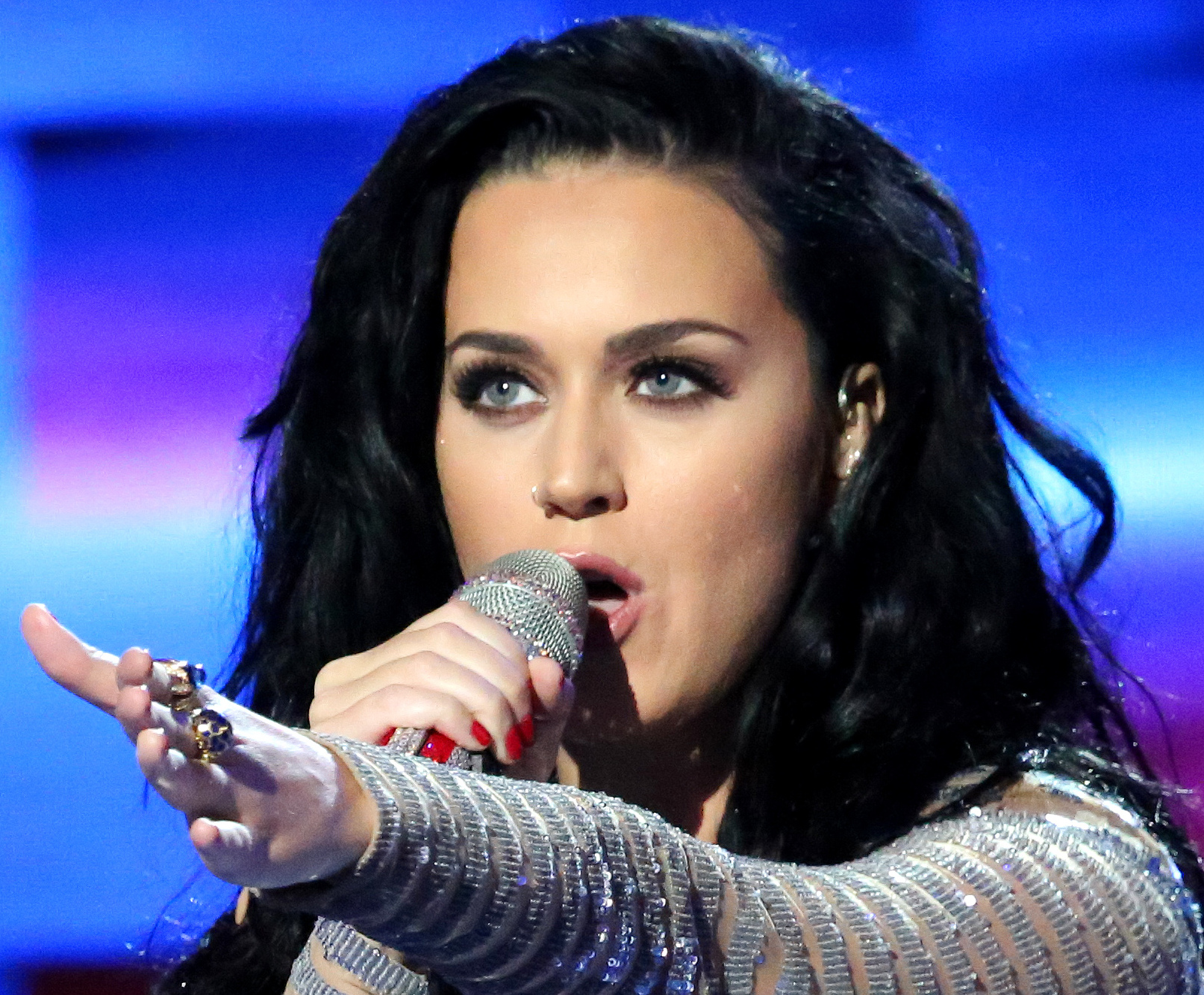
The dispute is bigger than one song. It shows how quickly campaign-style trolling, government messaging and artist consent can collide on social media.
The White House responded to Katy Perry’s criticism on TikTok. The response involved resurfacing a 2012 video, turning a fight over the use of Perry’s Firework in a White House TikTok about U.S. strikes on Iran into a broader argument over pop music, politics and consent.
Newsmax reported that the White House counters Katy Perry’s TikTok blast with the older clip. The Guardian reported that Perry had said she was “deeply appalled and angry” after the White House account used Firework over footage of a missile striking an Iranian naval ship; the post had drawn more than 6 million views and carried the caption, “Iran has been warned.”
The TikTok that sparked it
Perry’s objection was not a vague celebrity complaint about politics. In a statement on X, she said the song was used without her approval as a backing track for footage of military strikes.

“I did not approve this, I was not asked, and I absolutely do not condone it,” Perry said, according to The Guardian. She described Firework as an anthem of “hope, healing, and inner strength,” not a soundtrack for destruction.
That is why the dispute landed with more force than a normal social-media dust-up. Firework is one of Perry’s signature songs, built around self-worth and uplift. Pairing it with a strike video changed the emotional meaning of the track, at least in Perry’s view.
The White House’s reported decision to answer with a 2012 video did not directly resolve that concern. It reframed the issue as a clash over consistency, history and political symbolism.
A 2012 clip as receipts
Resurfacing an old video is a familiar online tactic: if someone objects now, find a past moment that seems to complicate the objection. In this case, the year 2012 matters because it places Perry in an earlier political-cultural moment, long before the current fight over the White House TikTok account.
The move is less a legal answer than a rhetorical one. Perry’s complaint centered on consent and context: she said she did not approve the use of her song for a video connected to military action. An old clip can suggest irony or inconsistency, but it does not by itself show whether the White House had permission to use Firework in the newer post.
That distinction is the heart of the exchange. The White House appears to be arguing in the language of social media, where “receipts” can be treated as a rebuttal. Perry is arguing in the language of artistic control, where a song’s placement matters as much as the song itself.
Why “Firework” hit a nerve
Artists often object when their music is used in political settings because songs can imply endorsement even when no endorsement exists. A track that plays under a campaign video, government message or military montage can carry emotional weight faster than a speech can.
Perry’s statement made that point plainly. She said the song was written for people going through dark personal moments and called the White House use a violation of what the song stands for.
There is another reason the backlash traveled quickly: this was not a rally playlist heard by a limited crowd. It was a TikTok post from an official White House account, optimized for speed, shareability and conflict. A song can be clipped, reposted and argued over by millions before the artist has time to respond.
The Guardian reported that the White House launched its TikTok account in August 2025, after Donald Trump had threatened to ban the platform months into his second presidency. That history adds another layer: the administration is using a platform it once treated as a political target, and doing so with pop culture as a messaging tool.
Artists keep drawing the line
Perry is not alone in objecting to the use of her music by the Trump administration or its allies. The Guardian cited several recent examples involving major pop artists whose songs appeared in government or political social-media content.
- Olivia Rodrigo criticized the administration after one of her songs appeared in a video promoting deportation efforts.
- Kesha objected to the use of Blow in a military-promotional TikTok video.
- Sabrina Carpenter criticized a video using Juno alongside footage of ICE arrests.
- Ariana Grande rebuked the use of Bye in a post promoting immigration arrests.
- Jess Glynne objected after Hold My Hand was used in a post promoting deportations.
These fights are not identical, but they share a pattern. A government or political account uses a recognizable pop song to sharpen a message. The artist then says the use distorts the song, exploits their work or associates them with a policy they oppose.
For administrations and campaigns, popular music is useful because it communicates instantly. For artists, that is exactly the danger.
The rights question is messy
Perry’s public objection does not automatically answer every legal question. Music licensing can involve multiple rights: the composition, the sound recording, synchronization with video, platform rules and separate permissions from publishers or labels.
Social-media platforms also have music libraries and licensing arrangements, but those systems do not always settle disputes over political use, government use or implied endorsement. A song can be technically available in one context and still provoke a serious objection from the artist.
That is why the 2012-video response may play well as a political counterpunch but still leave the practical issue unresolved. The key question is not only whether Perry has ever appeared in political contexts before. It is whether this specific White House TikTok used her song in a way she approved, licensed or could meaningfully contest.
So far, the publicly reported exchange gives a clear picture of Perry’s position and the White House’s counter-message. It does not fully answer what permissions were secured, whether rights holders will intervene or whether the video will remain online unchanged.
What the exchange reveals
The argument shows how celebrity culture now functions inside official politics. A White House TikTok can borrow the emotional charge of a pop anthem, a singer can push back in a statement on X, and the administration can answer with an old clip meant to change the frame.
That sequence rewards speed over clarity. The public sees a conflict about hypocrisy, free expression, war messaging, music rights and personal politics all at once. Each side speaks to a different audience: Perry to fans and artists worried about consent; the White House to supporters who see the 2012 clip as a comeback.
The cleanest takeaway is also the most uncomfortable for both politics and entertainment. A song’s meaning is not fixed once it enters the public bloodstream, but artists still fight hard over where their work appears and what it seems to endorse.
The White House’s 2012 counter may keep the story alive. It does not end the larger argument over whether official accounts should use pop music as a weapon in political messaging, especially when the artist says the song was never meant for that purpose.
Leave a Reply