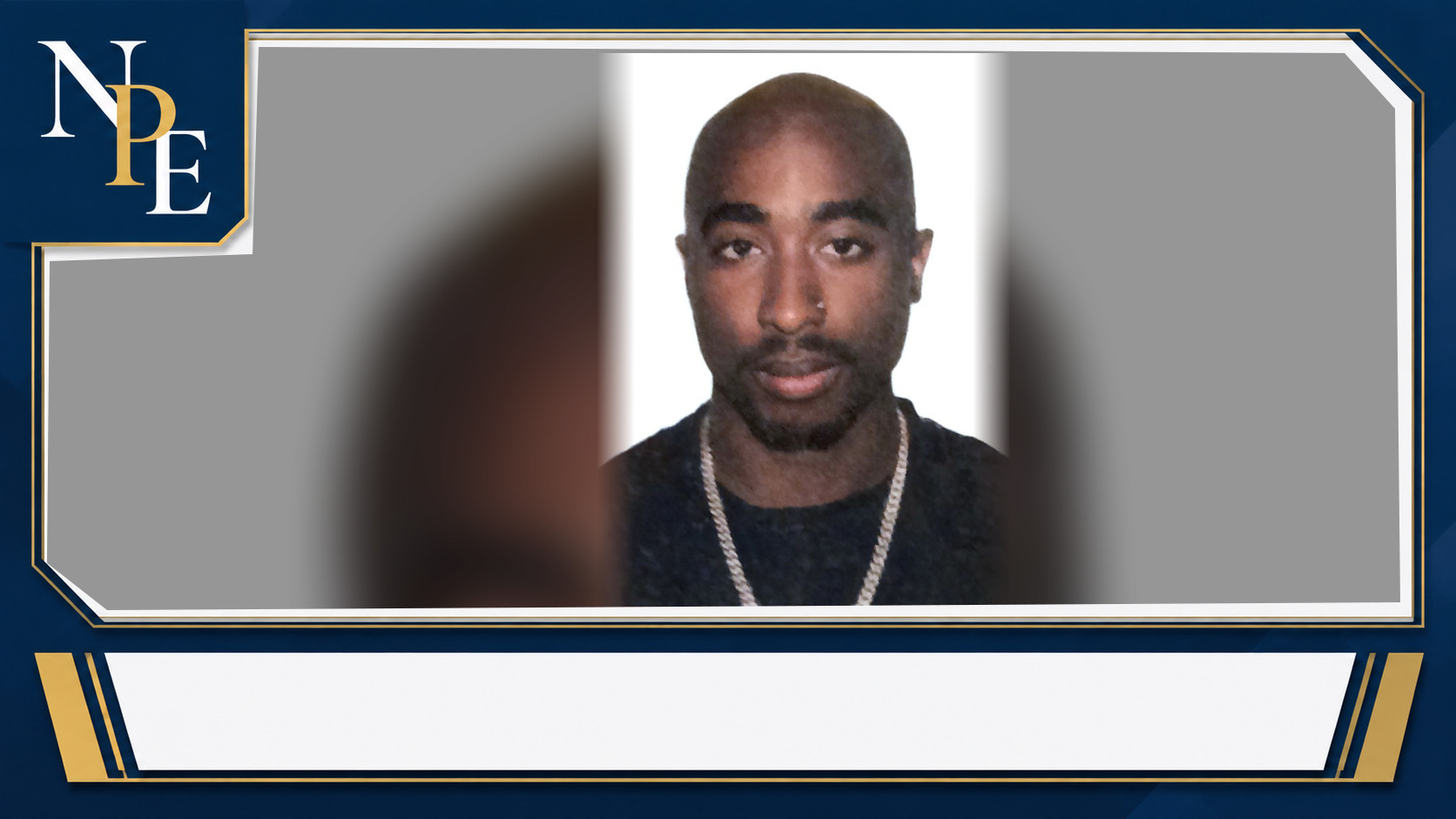
Court testimony has added sworn accounts to a case long surrounded by speculation. But the medical evidence and an officer’s recollection address how Shakur died, not by themselves who is legally responsible.
Tupac Shakur’s reported final words and fatal autopsy findings have been described in the Las Vegas trial involving Duane “Keffe D” Davis. An officer testified about what he recalled hearing during Shakur’s ambulance ride, while medical testimony detailed the gunshot injuries that caused the rapper’s death after the 1996 shooting.
The testimony gives jurors a more concrete account of Shakur’s final hours. It does not, on its own, resolve the separate issue at the heart of the case: whether Davis can be held criminally responsible for the killing.
An ambulance account under oath
Retired Las Vegas Metropolitan Police Department officer Garry Dale testified that he encountered Shakur and Marion “Suge” Knight on the Las Vegas Strip on Sept. 7, 1996. Dale said he stopped their vehicle because its rear license plate was not visibly displayed.
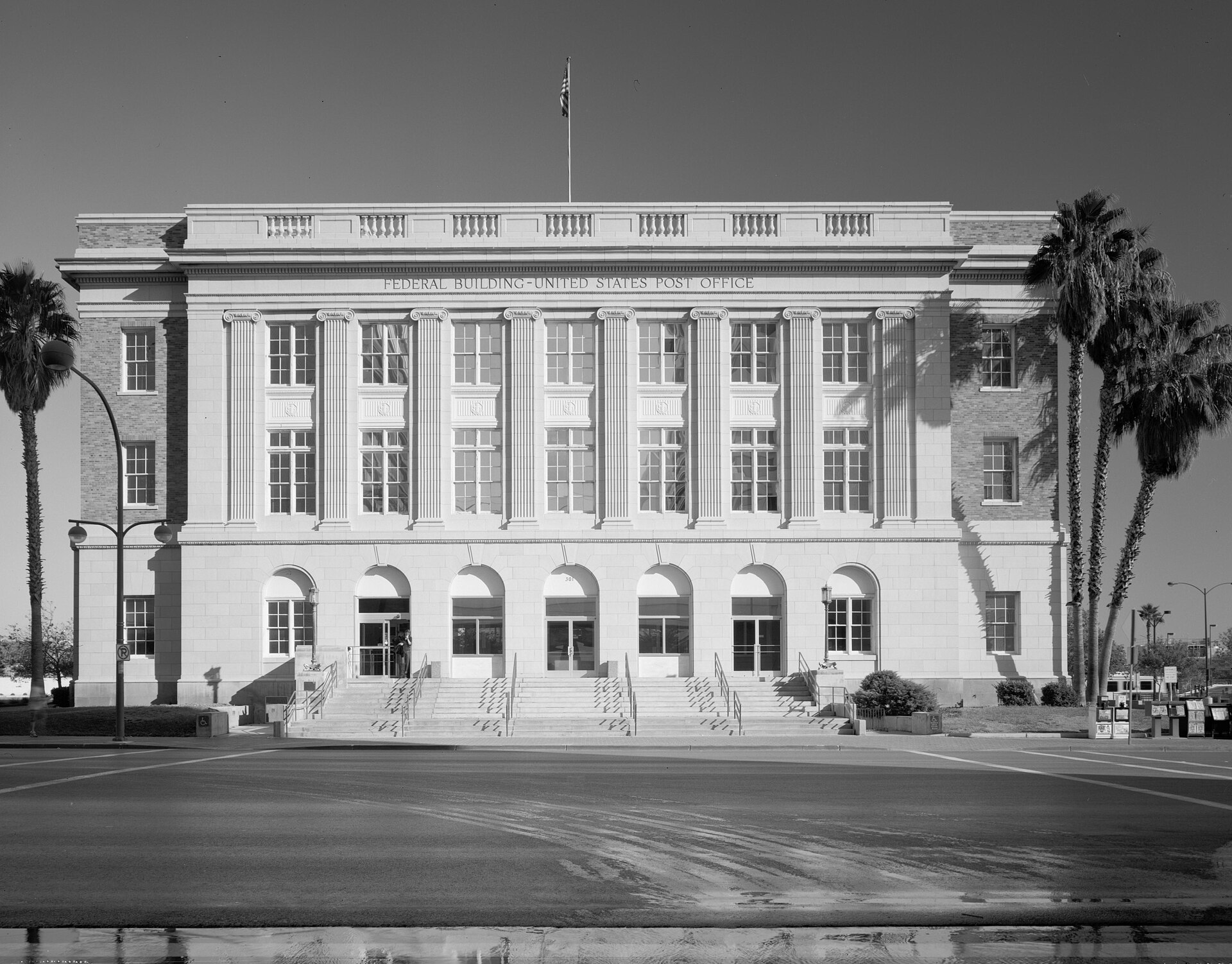
According to Dale, he issued a warning and allowed the pair to continue. Minutes later, Shakur and Knight were shot in a drive-by attack. Knight survived, while Shakur died six days later.
Dale told the court that he rode in the ambulance with Shakur and tried to find out who had fired at the vehicle. He said Shakur was able to speak but did not identify an assailant.
The officer recalled Shakur saying, “No, we’ll take care of it,” and repeating the phrase. That account is Dale’s recollection presented in testimony, rather than a recording or a definitive statement from Shakur. It does not identify a shooter or establish responsibility for the attack.
Medical evidence explains the death
On Aug. 18, Clark County medical examiner and forensic pathologist Dr. Lisa Gavin testified about Shakur’s autopsy. According to USA Today, jurors viewed autopsy photographs that were not included in the public trial broadcast.
Gavin said one bullet entered near Shakur’s right armpit, traveled through a lung and into his chest. The lung collapsed and bled, she testified, and physicians later removed it during emergency surgery.
She also described a gunshot wound to Shakur’s right thigh. The bullet traveled into his abdomen and damaged his intestines, according to her testimony.
Gavin said Shakur had no head wounds and that she could not determine whether all of the bullets were the same caliber. Her medical conclusion was that Shakur died from gunshot wounds to the chest and abdomen.
How the testimony fits together
The officer’s account and the autopsy testimony serve different purposes. Dale’s testimony offers a narrow view of the period after the shooting, while Gavin’s explains the physical effects of the wounds and the medical crisis that followed.
Together, the testimony establishes a sequence: a traffic stop, a shooting shortly afterward, emergency treatment and Shakur’s death six days later. That is significant in a killing that has remained a major cultural mystery for nearly three decades.
Yet sworn testimony about Shakur’s condition and treatment is not the same as evidence proving who organized, supplied a weapon for or carried out the shooting. The trial’s legal focus remains much narrower than a full public accounting of Shakur’s life, career or legacy.
Davis faces one murder charge
Davis was indicted in September 2023 on one count of murder with a deadly weapon. The indictment also alleges that the offense was intended to promote, further or assist a criminal gang.
He has pleaded not guilty. Davis is the only person ever charged in Shakur’s 1996 killing.
Prosecutors allege that Davis supplied the gun and called for the shooting in retaliation for an earlier confrontation involving his nephew. Those allegations represent the prosecution’s theory and are not findings of fact.
The case also reaches back to tensions in the rap world and Las Vegas street gangs. Shakur was signed to Knight’s Death Row Records, which prosecutors link to the Bloods, while prosecutors describe Davis as a leader in the rival South Side Crips. Such context may be relevant to the state’s claimed motive, but motive alone does not prove criminal guilt.
The question evidence must answer
The trial now turns on whether prosecutors can establish Davis’ criminal responsibility beyond a reasonable doubt. The painful details of the medical evidence explain how Shakur died; they do not independently establish Davis’ alleged role.
Jurors will still have to assess testimony about the claimed retaliation, Davis’ alleged actions and any evidence connecting him to the gunfire. Questions about the reliability of recollections from 1996, the limits of witness evidence and corroboration of the prosecution’s account could be central to defense challenges.
That distinction matters because a charge and indictment are not proof of guilt. The testimony has brought a clearer evidentiary record to Shakur’s final moments, but the remaining proceedings must address who, if anyone, can legally be held accountable for them.
Why the distinction matters now
Shakur’s death has generated years of public theories and enduring attention. Courtroom testimony, however, is constrained by a different standard: what witnesses can say under oath, what can be tested through cross-examination and what the jury can lawfully use in deciding the charge.
Dale’s reported recollection has emotional weight because it concerns Shakur’s last known moments, while Gavin’s account is clinically direct about the injuries. Neither should be treated as a complete answer to the broader case.
As the trial continues, the most consequential evidence will be the material that speaks directly to Davis’ alleged intent and conduct. The record now offers more detail about Shakur’s death, while the ultimate legal verdict remains to be decided.
Leave a Reply