
The dispute is about more than the price of ground beef. Ranchers say a policy meant to lower grocery bills could undercut domestic producers, and the administration has not publicly clarified the origin of the beef at the center of the debate.
The Trump team refused to explain the origin of imported beef tied to Donald Trump’s plan to temporarily ease U.S. beef-import barriers, prompting growing backlash from U.S. ranchers. The dispute matters because the administration says additional ground beef could sell for 25% below current prices, while cattle producers fear lower-tariff imports could weaken the market for American-raised cattle.
Reuters reported on August 21 that the White House planned a 90-day move allowing more ground-beef imports at lower tariffs. But the administration has not publicly identified the countries expected to supply the beef, leaving a basic question unresolved as ranchers and industry critics challenge the policy.
Lower prices are the White House case
The administration’s argument is straightforward: beef has become an expensive grocery-store staple, and expanding access to imported supply could pressure prices lower.
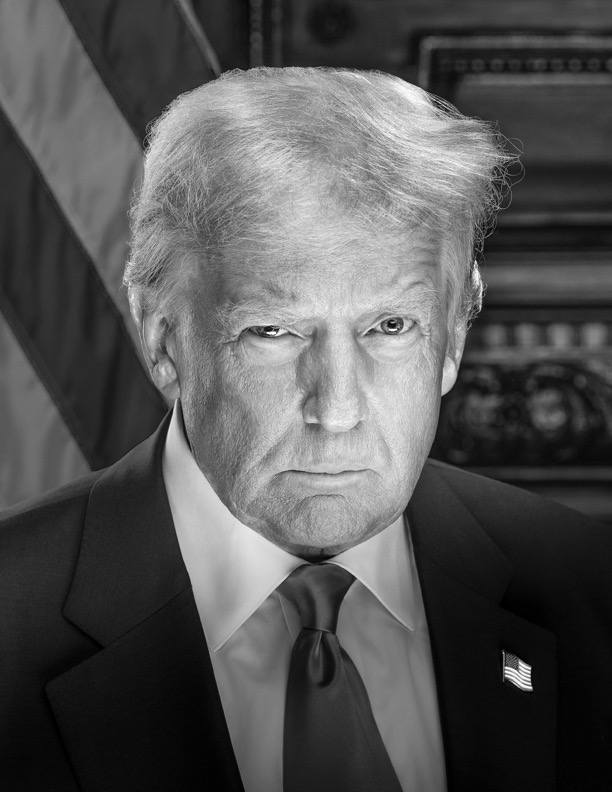
Reuters reported that Trump said imported ground beef would be sold at 25% below current prices. That is a significant promise for households facing persistent food costs, especially because ground beef is a common lower-cost alternative to many other cuts of meat.
The reported 90-day timeframe also suggests a short-term intervention rather than a permanent redesign of U.S. beef trade policy. Still, temporary trade changes can have immediate effects on expectations, purchasing decisions and cattle-market prices.
The unanswered sourcing question
The core criticism is not simply that more beef may be imported. It is that the Trump team has declined to explain where the added imported beef would originate.
That gap matters for ranchers, consumers and policymakers for different reasons. Producers want to know which competing suppliers could gain access to the U.S. market and whether the imports would arrive in quantities large enough to affect domestic prices.
Consumers may be less focused on tariff mechanics, but sourcing can shape confidence in how a policy is being carried out. The available reporting does not establish which country or countries would supply the additional beef, how much product would enter, or which importers would participate.
Those unknowns make it difficult to measure the policy’s likely effect. A 90-day change could have a modest impact if imports are limited, or it could create larger market pressure if substantial volumes arrive quickly.
Why ranchers see a threat
U.S. cattle ranchers have sharply criticized Trump’s proposal. The Financial Times reported that ranchers described the plan to cut the tax burden on beef imports as a betrayal.
Their concern is rooted in a basic market conflict. Lower-cost imported ground beef may benefit shoppers if retail prices fall, but it can also give processors, retailers and buyers more leverage when negotiating with domestic cattle producers.
For ranchers, cattle prices are not an abstract political indicator. They affect whether farms can cover feed, labor, land, fuel and financing costs. A policy designed around cheaper retail beef can look very different from the ranch gate, where producers may see new competition arriving at a moment when they are already managing volatile costs.
Supporters of more open imports can counter that U.S. consumers should not be asked to absorb higher prices solely to protect domestic producers. The policy debate, then, is not about whether cheaper food or healthy ranching businesses matter. It is about who bears the cost when those goals collide.
Imported beef and domestic cattle are not identical
Ground beef is a particularly sensitive category because it is often made from a mix of lean and fatty beef components, and import supply can play a role in meeting demand for lean trimming used in hamburger production. That means an import policy may affect parts of the beef market differently than premium steaks or other retail cuts.
Still, the administration’s 25% price claim leaves important practical questions. It is unclear whether that figure refers to a specific type of ground beef, a wholesale benchmark, a projected retail price, or a comparison with prevailing prices at the time of the announcement.
It is also unclear how quickly any tariff relief would translate into supermarket prices. Tariffs are only one factor in what shoppers pay. Processing capacity, transportation, retailer pricing, inventory and regional competition all influence the final price on a package of beef.
Transparency is becoming the political test
The Trump team’s refusal to identify the beef’s origin has turned a trade and food-price decision into a transparency dispute. Ranchers and critics can reasonably argue that the public cannot fully assess the policy without knowing its likely suppliers and scale.
The White House, meanwhile, may argue that the essential question is whether the move makes food more affordable. If lower tariffs produce meaningfully cheaper ground beef during the 90-day period, the administration could point to a tangible consumer benefit.
But if retail prices barely move, the policy could face stronger scrutiny from both directions: ranchers who believe imports hurt their market and consumers who were promised relief that did not materialize at the checkout line.
What to watch over 90 days
The next phase will hinge on details that have not yet been publicly explained. The most important signals will be the source countries for imported beef, the volume entering under reduced tariffs, and whether retail ground-beef prices change in a measurable way.
- Supply: Which countries and companies provide the imported beef?
- Scale: How much additional product enters the United States during the 90-day window?
- Prices: Do shoppers actually see lower prices, and on which products?
- Producers: Do cattle-market prices or rancher returns show signs of added pressure?
- Policy: Does the administration end the change after 90 days, extend it, or make broader trade adjustments?
For now, the conflict captures a familiar political trade-off: a White House seeking quick relief on consumer prices and a domestic industry warning that the remedy may shift the burden onto American producers. Until the administration offers more detail on the beef’s origin and terms of entry, that argument is likely to grow louder.
Leave a Reply