
Trump’s latest comments recast Michael Cohen’s testimony as a product of prosecutorial pressure, not an independent account. The accusation matters because Cohen was a central witness in the New York case that ended with Trump’s conviction on 34 felony counts.
Donald Trump blamed New York prosecutors for Michael Cohen’s testimony against him in the 2024 hush money trial, telling Cohen that New York Attorney General Letitia James and Manhattan District Attorney Alvin Bragg had pressured him to turn on Trump. Cohen testified against Trump in the hush money trial, which took place in New York, and a jury convicted Trump on 34 counts of falsifying business records.
Trump’s accusation, made during a WABC interview that aired Sunday, is significant because it targets the credibility of a witness at the center of the case while Trump’s appeal continues. It is an allegation, not a court finding that prosecutors coerced Cohen or that his testimony was false.
Trump’s accusation targets Cohen’s testimony
According to The Hill, Trump told Cohen that New York officials had threatened him with jail and other consequences if he did not testify against his former client. Trump said James and Bragg had “used” Cohen during the criminal trial.
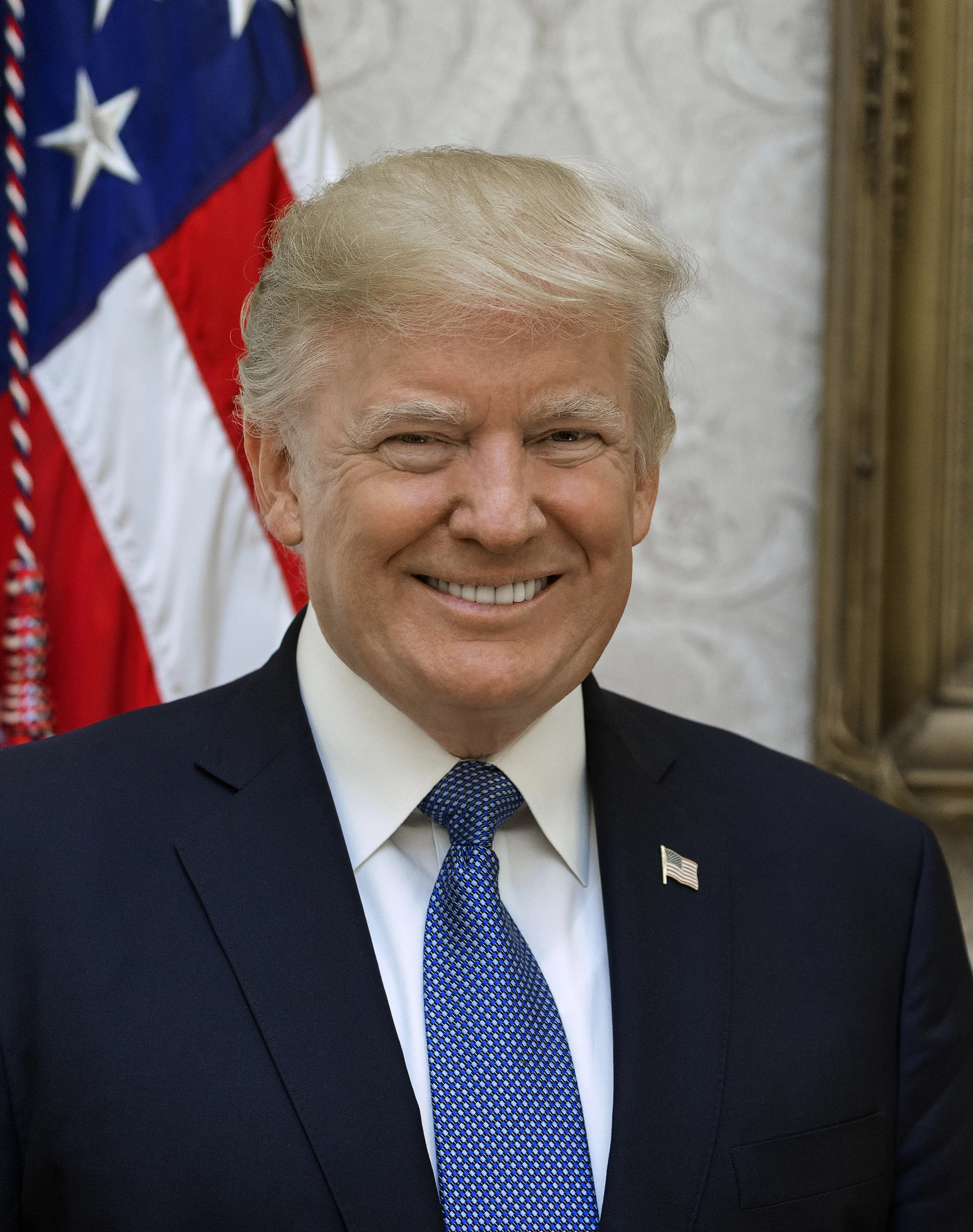
The president also framed Cohen’s criticism of prosecutors as courageous, saying Cohen had agreed that he was pushed to say things he did not want to say. Trump’s remarks place the focus squarely on how Cohen came to testify, rather than on the underlying bookkeeping allegations considered by the jury.
James is New York’s attorney general, while Bragg is the Manhattan district attorney. They lead separate offices, a point Cohen acknowledged in a January Substack post when he claimed the two officials shared a common approach in the case.
Neither Trump’s comments nor the material reviewed establishes that either office improperly pressured Cohen. The report does not describe a new ruling, disciplinary finding, or court order substantiating the accusation.
Why Michael Cohen remains pivotal
Cohen was once Trump’s personal lawyer and fixer. By the time he appeared at the 2024 trial, however, the two men had been locked in a long-running public and legal feud.
His testimony gave jurors a firsthand account from someone who had worked closely with Trump and had direct involvement in the payment arrangement scrutinized in court. That made him an important witness, but also an obvious target for Trump’s defense because of his own criminal history and break with his former boss.
Cohen previously pleaded guilty in federal court in 2018 to eight criminal counts connected to the payment scheme and other conduct. He served more than two years in federal prison, according to The Hill.
That history creates two competing interpretations. Trump’s position is that Cohen had incentives to cooperate with prosecutors and cannot be trusted. Prosecutors, meanwhile, presented Cohen as a witness whose testimony was backed by records and other evidence. The jury heard the defense challenge Cohen’s credibility before reaching its verdict.
The verdict still stands on appeal
The New York jury found Trump guilty on 34 counts of falsifying business records. The case centered on records linked to a payment intended to keep an alleged affair with adult-film actor Stormy Daniels from becoming public before the 2016 election.
A conviction does not prevent a defendant from challenging the proceedings. Trump has appealed, and The Hill reported that his legal effort has included arguments connected to the Supreme Court’s presidential-immunity decision.
That appeal is the formal mechanism for contesting legal errors, evidentiary decisions, jury instructions, or other parts of the prosecution. Public criticism of witnesses and prosecutors may shape the political debate, but it does not itself alter the verdict.
The distinction matters. Trump’s claim that prosecutors influenced Cohen’s account is a defense-side argument about the fairness of the case. The conviction remains the jury’s verdict unless it is changed through the appellate process or another court action.
A familiar fight over witness credibility
High-profile criminal cases often turn on whether jurors believe witnesses who have their own legal exposure, past wrongdoing, or personal conflicts with the defendant. Cohen had all three, giving Trump a powerful line of attack even before the latest interview.
But witnesses with difficult histories are not automatically disqualified. In criminal trials, jurors are asked to weigh testimony against documents, timelines, corroborating accounts, and the witness’s motives. Defense lawyers can expose inconsistencies and argue that cooperation agreements or resentment make a witness unreliable.
Trump’s new comments emphasize the pressure question: whether Cohen testified freely or was improperly compelled. Cohen’s earlier public statement similarly portrayed James and Bragg as working from the same “playbook.”
What remains unclear from the available reporting is whether Trump’s comments will be tied to a specific filing in his appeal, whether Cohen has provided additional evidence for his allegation, or whether either prosecutor’s office plans to respond. Without documentation or a judicial finding, the competing claims remain claims.
The political and legal messages diverge
Politically, Trump’s language reinforces his broader argument that New York law-enforcement officials pursued him unfairly. It also offers a way to recast Cohen’s damaging testimony as the result of institutional pressure rather than a rupture between former allies.
Legally, though, the path is narrower. An appellate court will evaluate arguments under established rules and the trial record, not simply decide which public account is more persuasive. A claim of improper pressure would need to be connected to concrete evidence and a legal basis for relief.
For supporters of Trump, the interview is likely to deepen concerns that prosecutors relied on a compromised witness. For critics, the focus on Cohen may look like an attempt to relitigate evidence that a jury had already considered. Both views point back to the same unresolved issue: whether the appeal will identify errors serious enough to affect the conviction.
The immediate takeaway is that Trump has escalated his criticism of James, Bragg, and Cohen, but the status of the case has not changed. The 2024 New York conviction is still under legal challenge, and Trump’s allegation about pressure on Cohen has not been established by a court.
Leave a Reply