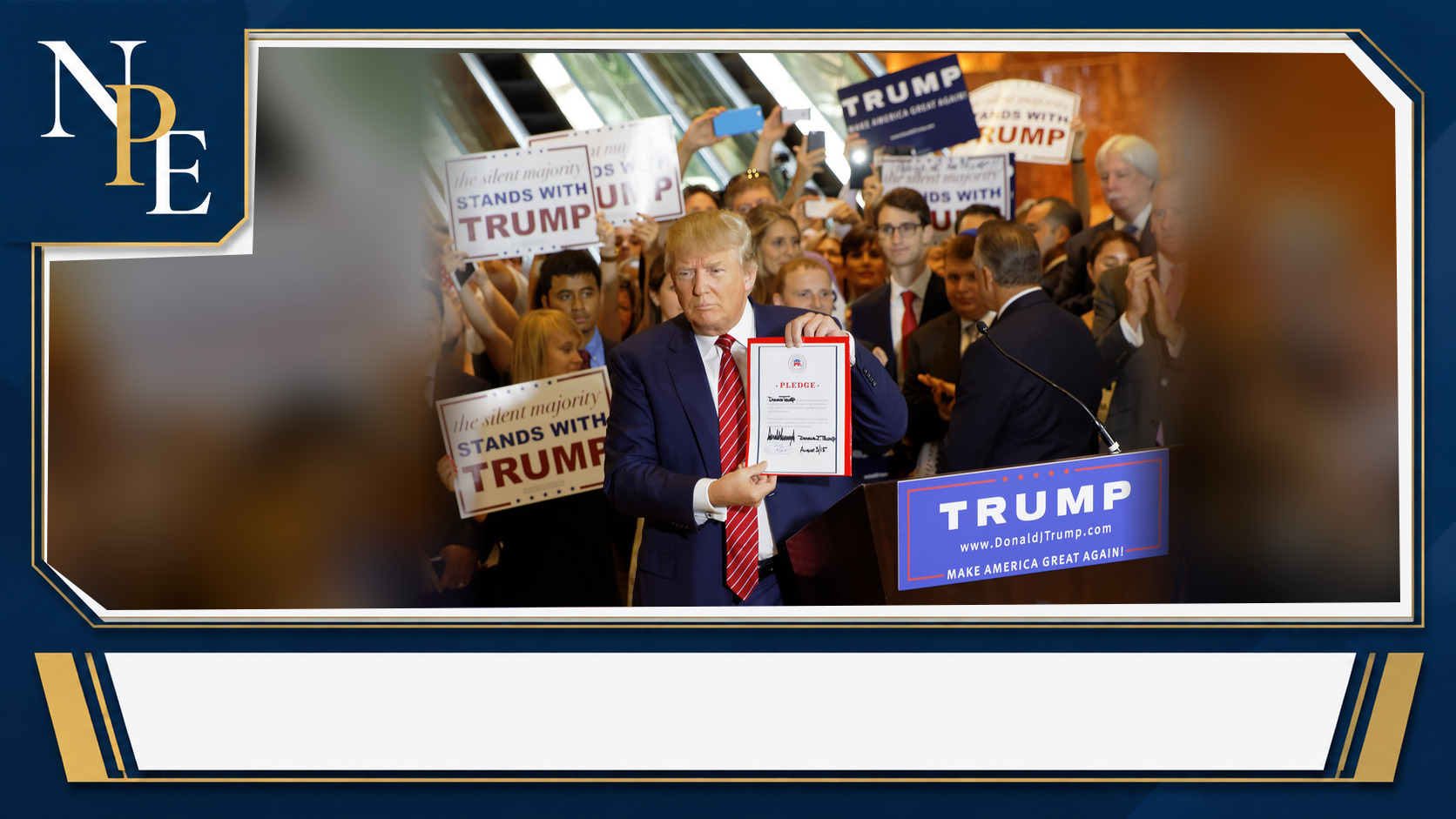
Tariffs are paid at the border, but their costs can move through supply chains and eventually reach store shelves. The exact impact will depend on tariff rates, product sourcing and whether businesses absorb the hit or raise prices.
U.S. consumers could soon pay more for certain items under Donald Trump’s tariff policies, which place new duties on imported goods. The products that could become more expensive include imported cars, network switches and routers, rice, ethanol and other goods caught in tariff-affected supply chains; the question is how much of those added costs businesses pass on in the United States.
Trump’s policies may cause price increases because a tariff is an import tax paid by the company bringing a product into the country. The policy is designed to push trading partners toward more reciprocal terms and support domestic production, but it can also make imported products—and U.S.-made products that rely on imported parts—costlier.
Tariffs begin at the border
A tariff is not a sales tax charged directly to a shopper at checkout. It is a duty collected when an importer brings foreign-made merchandise into the United States.
That distinction matters, but it does not settle who ultimately bears the cost. Importers may accept lower profits, foreign suppliers may cut prices to keep business, or retailers and manufacturers may raise their prices. Often, the burden is shared across those groups.
For a household, the practical issue is simpler: if a company’s cost of sourcing a product or component rises, the price of the final item can rise too. The effect may appear quickly on goods already being imported, or more gradually as companies work through existing inventory and renegotiate supply contracts.
Products already named in the order
Trump’s April 2, 2025 executive order establishing reciprocal tariffs describes broad concerns about trade imbalances and differing tariff rates among U.S. trading partners. It also offers examples of product categories where the United States and other countries apply markedly different duties.
Those examples provide a useful, if incomplete, guide to items where consumers may notice trade-policy pressure:
- Passenger vehicles: The order notes a 2.5% U.S. tariff on imported internal-combustion passenger vehicles, compared with higher rates cited for the European Union, India and China. A higher U.S. duty can affect imported vehicles and, depending on sourcing, vehicles assembled in the U.S. with imported components.
- Networking equipment: Network switches and routers are specifically mentioned. These are not everyday grocery purchases, but they are central to business networks, internet infrastructure and office technology. Higher equipment costs can flow into corporate technology budgets and, indirectly, the price of services.
- Rice: The order discusses rice in the husk as an example of different tariff treatment. Food prices are especially visible to consumers, although retail outcomes depend heavily on the country of origin, crop conditions, distribution and domestic supply.
- Ethanol: The document compares U.S. and foreign duties on ethanol. Its consumer relevance can extend beyond a bottle or package: ethanol is used in fuel blends, making it part of a larger energy-and-agriculture supply chain.
These examples should not be read as a final shopping list or a guarantee that every product’s price will rise. The order’s purpose is to justify a broader tariff framework, not to predict retail prices item by item.
Imported parts widen the exposure
The most obvious tariff target is a finished imported product. Yet many goods sold as American-made depend on foreign inputs: electronic components, machinery, metals, packaging, textiles, chemicals and specialized parts.
That means a tariff can reach further than the label suggests. An automaker may assemble a car in the United States but source components globally. A domestic food producer may use imported packaging or equipment. A U.S. technology company may sell a product designed at home but manufactured or assembled abroad.
Companies have several responses. They can find suppliers in the United States or in countries facing lower duties, redesign products, delay investment, absorb some costs, or raise prices. None of those options is frictionless. Rebuilding a supply chain takes time, and an alternative supplier may already charge more.
The administration’s case for tariffs
The White House says the policy is meant to address what it describes as nonreciprocal trade relationships, persistent U.S. goods trade deficits, foreign tariff barriers and supply-chain dependence. In the executive order, Trump argues that these conditions have weakened U.S. manufacturing capacity and created economic and national-security risks.
Supporters see tariffs as leverage. Their argument is that higher import costs can encourage companies to produce more in the United States, give domestic manufacturers room to compete and pressure other countries to reduce their own barriers against U.S. exports.
That case is strongest when domestic producers can rapidly expand output and offer comparable goods at competitive prices. If that happens, consumers may have more U.S.-made choices and the policy may encourage investment that would not otherwise occur.
Why economists see consumer risk
Critics do not dispute that tariffs can change trade patterns. Their concern is who pays during the adjustment. When imports become more expensive before domestic capacity is ready, households and businesses may face higher costs with few immediate substitutes.
Price increases can also be uneven. A retailer selling products with slim margins may raise prices sooner than a large company able to negotiate with suppliers or absorb some of the duty. Lower-income households can be hit harder because necessities take up more of their budgets and they have less room to delay purchases.
There is also a broader uncertainty: trading partners may respond with tariffs of their own. Retaliation can hurt U.S. exporters, including farmers and manufacturers, while making a negotiated reduction in trade barriers harder to achieve.
What shoppers should watch next
The key signals will be the tariff rates that take effect, the countries and product categories covered, and whether exclusions or negotiated changes alter the final policy. Retail price data alone can be misleading because inflation, exchange rates, harvests, shipping costs and consumer demand also affect what people pay.
For big-ticket purchases such as vehicles or business technology, consumers may see companies emphasize domestic sourcing or warn about higher input costs. For food and fuel-linked products, price movements may be harder to isolate because global commodity markets can shift quickly.
The clearest takeaway is that tariffs are a policy choice with a direct cost at the import stage and an uncertain final cost at the checkout counter. Trump’s approach is intended to reshape trade relationships and encourage domestic production. Whether it delivers those goals without materially raising household costs will depend on how firms, suppliers and foreign governments respond.
Leave a Reply