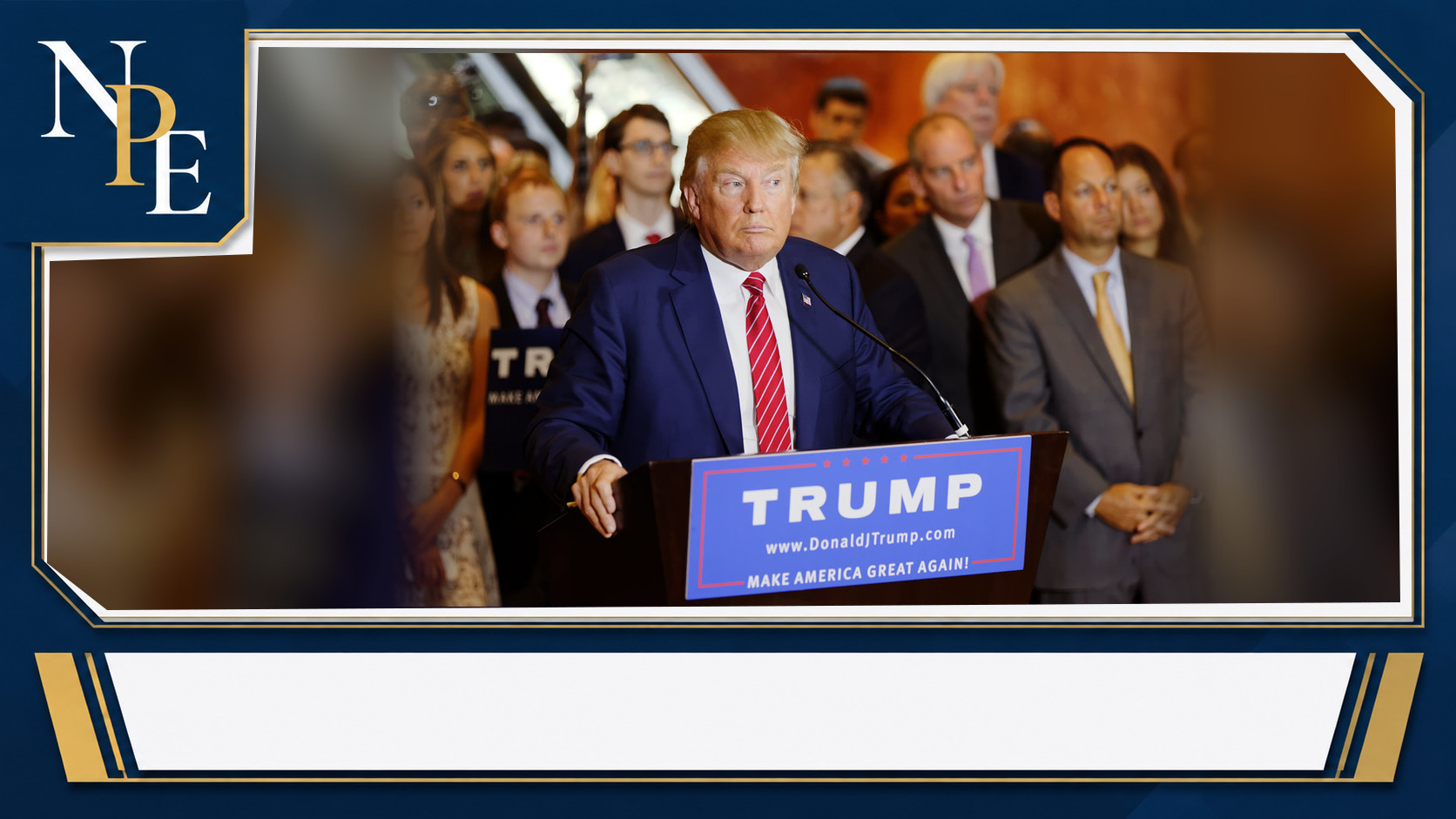
Trump has presented more beef imports from Argentina as a possible answer to high U.S. meat prices. Ranchers say the proposal could disrupt cattle markets while doing little to ease supermarket bills.
Donald Trump says he has a beef deal involving Argentina, and the article examines five unanswered questions about the deal for the United States. The central issue is whether more Argentine beef could lower grocery prices without undercutting U.S. cattle producers—and, so far, the public details needed to judge that claim have not been laid out.
Beef and veal prices have risen nearly 14% over the past year, according to PBS reporting. That gives the White House a clear political reason to seek relief, but the proposed Argentina arrangement has opened a conflict between the goal of helping consumers and the concerns of ranchers who raise cattle at home.
A plan, not yet a full blueprint
Trump has described a plan to buy more beef from Argentina while arguing that Argentina needs support amid its economic crisis. The available reporting does not establish the terms of a finalized trade agreement, a purchase contract or an import program with publicly defined rules.
That distinction matters. Saying there is a deal can suggest that volumes, timing, pricing and inspection procedures are settled. Those details determine whether the policy would be a modest supply addition, a major change in imports, or primarily a diplomatic signal.
The White House’s broader rationale, as reported by PBS, is that additional supply could help offset high U.S. meat prices. But a proposal aimed at prices has to be measured against the realities of how beef reaches American stores.
The five questions still hanging
- How much beef would enter the United States? No quantity was specified in the supplied reporting. The size of any increase would shape both market impact and producer concern.
- When would imports arrive? An announcement does not immediately translate into products on retail shelves. Processing, shipping, trade procedures and distribution all affect timing.
- What type of beef is involved? The effects can differ depending on whether imports compete with ground beef, cuts sold at restaurants, processing inputs or other segments of the market.
- What safeguards would apply? Ranchers have raised animal-health concerns connected to Argentina’s history with foot-and-mouth disease, though that does not by itself establish that imported beef is unsafe.
- How much would shoppers save? The available information does not put a projected dollar amount on any possible reduction in retail beef prices.
Those are not minor technicalities. They are the facts consumers, ranchers and lawmakers would need before deciding whether the plan is a practical price measure or a policy with limited consumer benefit and meaningful domestic costs.
Why lower cattle prices may not mean cheaper beef
Buck Wehrbein, president of the National Cattlemen’s Beef Association, told PBS that he believes the proposal would harm producers while doing “almost nothing” for consumers. His argument centers on timing: cattle-market reactions can be immediate, while changes in store prices move more slowly through the supply chain.
That gap is crucial. Ranchers sell cattle into a market that can respond quickly to expectations about future supply. Consumers, meanwhile, pay a retail price shaped by slaughter, processing, transport, labor, packaging, supermarket operations and demand—not simply by the price of live cattle.
The administration’s case and the ranchers’ case therefore can both start from the same fact: beef is expensive. They diverge over whether additional imports are large and targeted enough to matter at the checkout counter, and whether the downside would fall disproportionately on domestic producers.
Ranchers see a threat to rebuilding
U.S. cattle producers have been dealing with a smaller herd, a condition Wehrbein linked in part to drought and reduced forage. Rebuilding herds takes time, land, feed and confidence that future market prices will justify the investment.
For that reason, producer groups see a sudden emphasis on imports as potentially discouraging to ranchers who are deciding whether to retain animals for breeding. Their concern is not only today’s cattle price; it is whether policy signals make long-term herd recovery harder.
Wehrbein also urged the administration to focus on measures that ranchers say would support domestic supply, including work on a South Texas facility related to New World screwworm risks and regulatory issues affecting producers. Those ideas would not provide an instant price drop, but supporters argue they address constraints on future production.
Food-safety questions need specifics
Argentina has a history of foot-and-mouth disease, and the National Cattlemen’s Beef Association says it wants stronger assurances about animal-health protections. The concern deserves a direct answer from U.S. agricultural authorities, particularly if beef imports are expanded.
At the same time, a country’s disease history is not a substitute for an assessment of specific import controls. The relevant questions are which products could enter, from what regions and facilities, under what certification and inspection standards, and how federal regulators would enforce those standards.
Without those particulars, it is not possible to fairly characterize the plan either as a food-safety failure or as fully resolved. The public debate is being driven by a broad announcement before the underlying safeguards have been clearly explained.
The next test is transparency
The most immediate test for Trump’s claimed beef deal is whether the administration releases concrete terms: projected import volumes, the legal mechanism, the expected start date, applicable inspection rules and an estimate of likely effects on consumer prices.
Congressional voices from cattle-producing states and organized ranching groups are likely to keep pressing for answers. Their objections also highlight a political tension for Trump: a move intended to answer voter frustration over food costs can collide with an industry that has traditionally been an important Republican constituency.
For shoppers, the bottom line is straightforward. High beef prices are real, but more Argentine beef does not automatically mean a noticeable savings at the meat case. Until the scale and structure of the arrangement are disclosed, its clearest result is uncertainty—for consumers watching prices and for U.S. cattle producers watching the market.
Leave a Reply