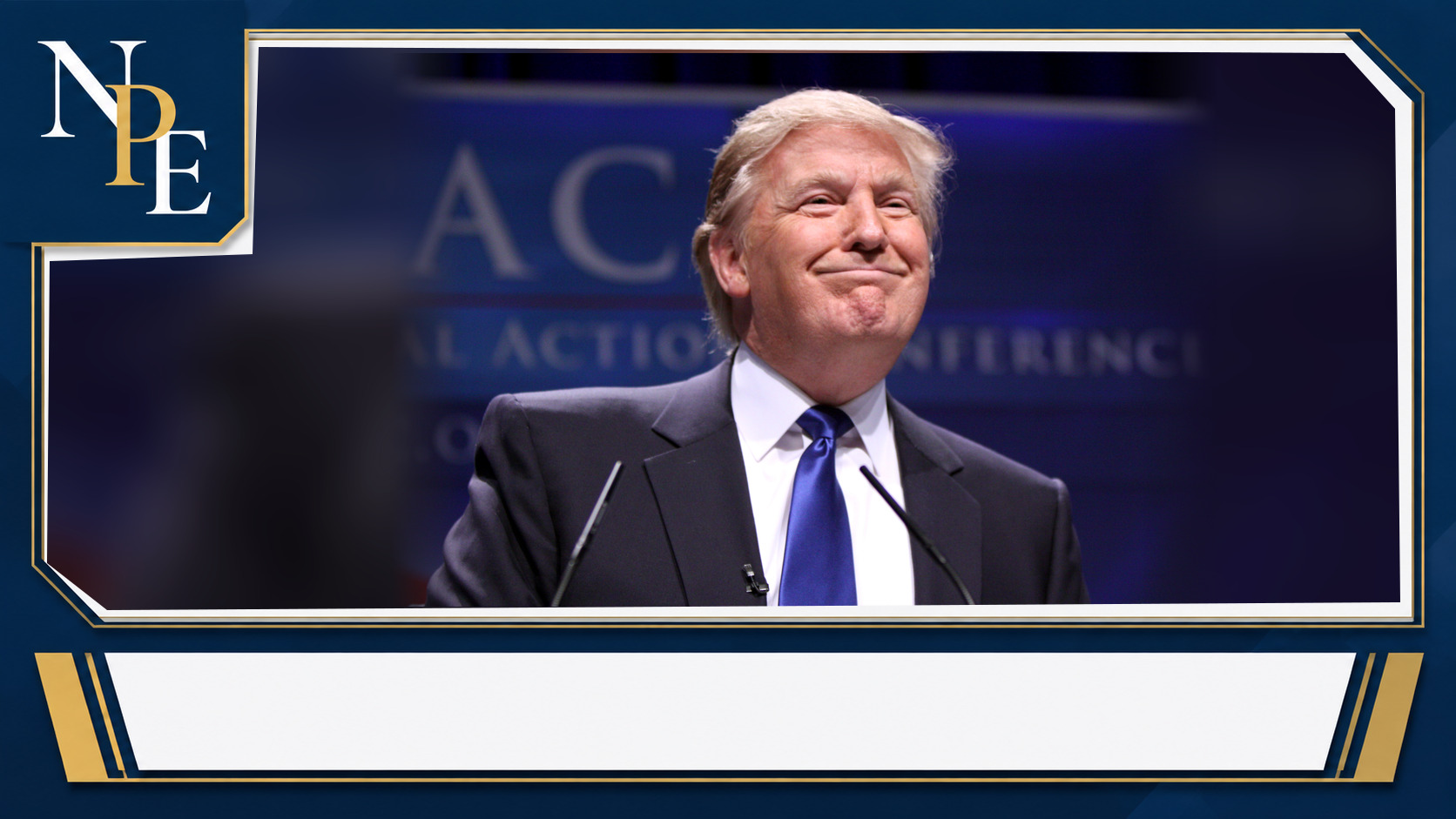
Trump’s post put fresh attention on a dispute that reaches far beyond social media. Canada and the U.S. were still trying to resolve tariffs affecting cars, metals, lumber and other cross-border trade.
Donald Trump posted about Canada at 1:05 a.m. as U.S.-Canada trade talks were nearing a deal, turning a late-night social-media attack into a flashpoint in negotiations that had appeared close to an agreement.
The timing connected Trump’s post to the trade dispute: negotiators were working through remaining disagreements while the administration and Canadian officials were sparring over tariffs and market access. Canadian Prime Minister Mark Carney later described new U.S. tariffs as a “miscalculation” after talks broke down, underscoring how quickly progress could unravel.
The negotiations involved several cross-border irritants, including tariffs affecting cars, metals and lumber, as well as other trade barriers. The post did not represent the deal itself; it put fresh attention on the pressure surrounding talks and the unresolved terms that still stood between Washington and Ottawa.
The post landed during tense talks
The available source material does not provide the full text of Trump’s 1:05 a.m. post or independently detail every claim made in it. What is clear from the report’s framing is that Trump targeted Canada after a development characterized as a trade miscalculation.

That description matters because public messages from presidents can become part of the negotiating environment. A sharp post can signal dissatisfaction, increase pressure on the other government or complicate efforts by officials trying to finalize technical details out of public view.
It also comes at a point when the two countries’ trade relationship has been unusually vulnerable to political escalation. The U.S. and Canada are deeply integrated economically, so disputes over tariffs rarely remain confined to one industry or one province or state.
Canada and the U.S. were near a deal
BBC reporting said Canadian and U.S. negotiators had met in Washington repeatedly as they worked toward an agreement. Canadian Trade Minister Dominic LeBlanc said a deal was “very close,” though the full terms had not been publicly announced.
According to the BBC, Trump paused a threatened new wave of tariffs on a range of Canadian goods to give negotiators time to work through the proposed agreement. Trump also said Canada had agreed to eliminate tariffs affecting U.S. farmers, without specifying the sectors involved.
Prime Minister Mark Carney said there had been “significant progress” toward an agreement addressing Canada’s most important strategic sectors. Yet progress toward a deal and an angry late-night presidential post can coexist: trade talks often advance in private while the public rhetoric remains confrontational.
Tariffs are the central pressure point
Canada has sought reductions in U.S. tariffs on steel, aluminum, automobiles and lumber. Those sectors are not niche concerns. They support supply chains that cross the border repeatedly, connecting Canadian producers with American manufacturers, dealers, builders and consumers.
The BBC reported that a potential arrangement could cut U.S. tariffs on Canadian steel and aluminum to 25% from 50%. It also reported that the U.S. might reduce its headline tariff rate on Canadian-made vehicles to 15% from 25%.
Those figures were reported as possible terms, not a completed settlement. Until negotiators announce a final text, the scope, timing and enforcement of any tariff reductions remain uncertain.
That uncertainty helps explain why rhetoric around a “miscalculation” carries weight. Businesses cannot make long-term purchasing, investment and hiring choices based on political signals alone; they need clear rules and reliable implementation dates.
Alcohol and dairy became bargaining chips
One unusual part of the talks involved American alcohol. Several Canadian provinces pulled U.S. alcohol from government-run stores or restricted sales after earlier U.S. tariff actions, and the BBC reported that Carney asked provincial leaders to restore it to shelves.
Nova Scotia Premier Tim Houston said ending the restrictions was a significant concern for the United States. The U.S. wine and spirits industry has said its exports to Canada fell by more than 70% after the boycott began early last year, according to the BBC.
Dairy is another sensitive issue. The U.S. has sought changes to Canadian quotas that limit access for imported dairy products, while Canadian officials have emphasized that the country’s supply-management system for dairy, eggs and poultry would remain intact.
These are politically difficult trade-offs. Canadian leaders must weigh a broader agreement against pressure to protect domestic producers, while U.S. officials face demands from farmers and exporters seeking better access to the Canadian market.
Both governments face competing pressures
Supporters of a quick agreement can point to the practical cost of prolonged tariffs. Business groups on both sides of the border have warned that additional trade barriers raise costs and create uncertainty for companies whose operations depend on predictable cross-border commerce.
Critics, particularly in Canada, may see concessions as a response to pressure rather than a balanced bargain. The BBC cited a Leger poll in which 56% of Canadians said they preferred a hard-line approach in dealing with the United States.
That split is central to the political challenge. A deal can be economically useful without being politically popular, especially if voters believe their government gave up visible protections in exchange for tariff relief that may be partial or temporary.
What remains unresolved after Trump’s post
The key unanswered question is whether the reported progress turns into a signed, public agreement. Negotiators still need to establish exactly which tariffs would change, what Canada would do in return and whether provinces would follow through on restoring U.S. alcohol sales.
It is also unclear how Trump’s late-night attack on Canada will affect the atmosphere around those decisions. The post may be a negotiating tactic, a reaction to a specific dispute, or both; the available reporting does not establish its precise intended effect.
For now, the practical test is not the tone of any one post. It is whether Washington and Ottawa can produce terms that reduce uncertainty for workers, producers and consumers while surviving scrutiny from the constituencies each government is trying to protect.
Sources: The Mirror US report surfaced by MSN; BBC reporting on U.S.-Canada trade negotiations, tariffs, alcohol restrictions and dairy access.
Leave a Reply