The decision does not end prosecution or guarantee a reckoning; it forces courts to sort presidential conduct before legal accountability can proceed.
The Supreme Court’s July 1, 2024 decision in Trump v. United States turned Donald Trump’s accountability debate toward a threshold question: which alleged conduct counts as official presidential action, and which does not?
That filter now matters before any broader legal or political conclusion can carry weight. The ruling did not give former presidents absolute federal criminal immunity for unofficial acts. It also did not leave prosecutors free to treat every act connected to the presidency the same way.
The first fight is classification
The ruling created a legal sorting problem. Conduct tied to core constitutional powers receives absolute immunity. Many official acts receive at least presumptive immunity. Unofficial acts do not receive absolute federal criminal immunity.
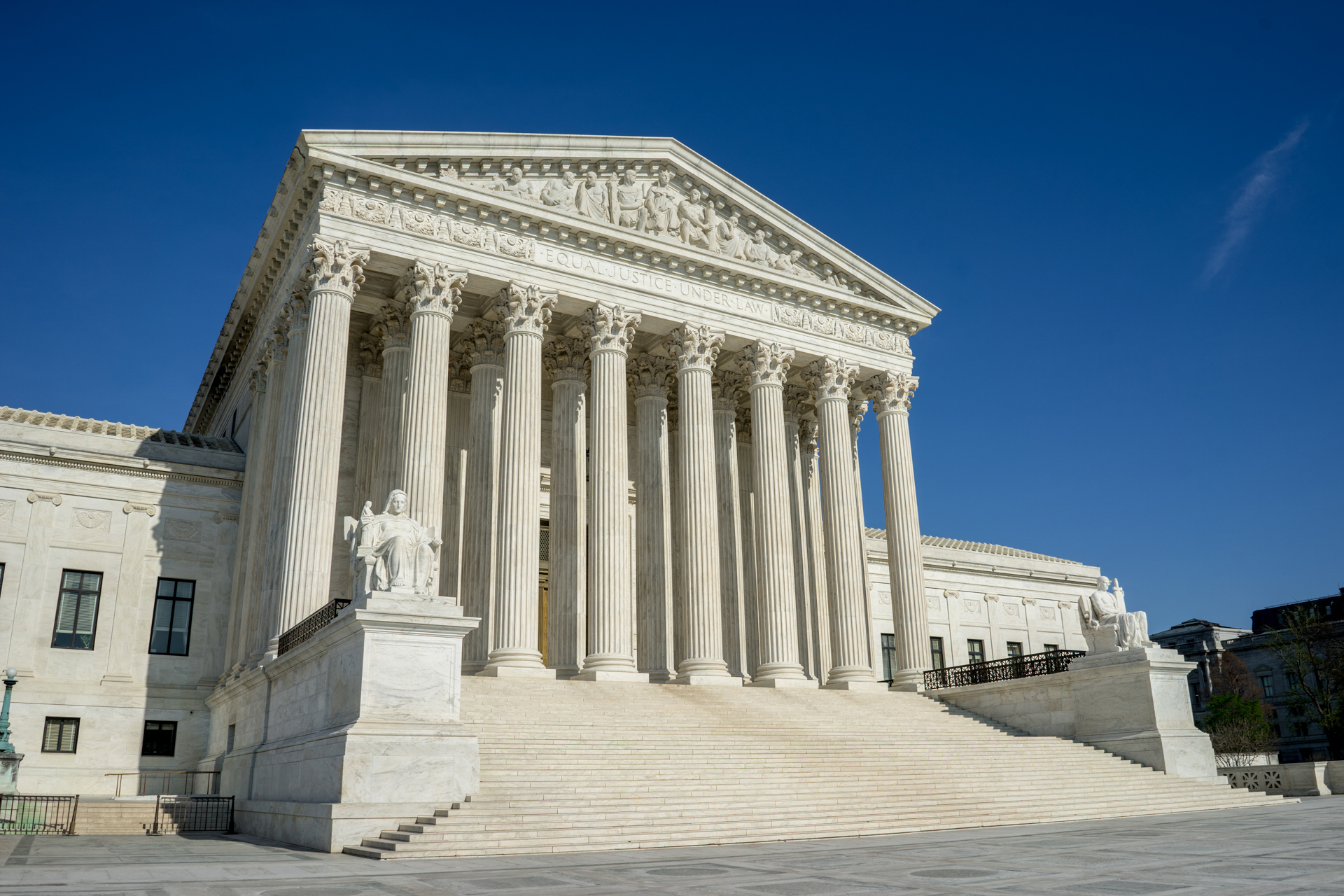
That means the practical work shifts to courts applying those categories to specific allegations. Before a prosecution can move forward on contested conduct, judges may have to decide whether the conduct was private, official, or part of a core presidential function.
That is why simple labels can mislead. The decision was not a total bar to prosecution, but it also made the route more complicated for prosecutors seeking to use evidence or allegations tied to presidential activity.
What prosecutors still have room to test
The clearest opening left by the Court is unofficial conduct. The opinion said former presidents do not have absolute federal criminal immunity for acts outside the protected sphere of presidential authority.
For accountability advocates, that point keeps the legal process alive. It means the Court did not accept the broadest version of Trump’s immunity argument, in which a former president would be shielded from federal criminal prosecution simply because the conduct related to time in office.
For Trump and supporters of a stronger view of executive power, the decision also provides substantial protection. The Court recognized that criminal prosecution cannot intrude freely into core constitutional powers and must account for official presidential functions.
The Justice Department’s extreme-case argument
According to Justice Department briefing in the immunity fight, the government argued that an extreme version of Trump’s position could free a president from virtually all criminal law, including grave abuses such as bribery, murder or treason.
The Supreme Court did not adopt that extreme position. Its holding preserved the possibility of prosecution for unofficial conduct while protecting core presidential authority and recognizing presumptive immunity for many official acts.
That combination is the source of the current tension. The legal system still has tools to examine some conduct, but those tools now operate through a more demanding immunity screen.
Delay is a separate accountability problem
The timing debate is not the same as a verdict on Trump’s guilt or innocence. It is about whether legal process can deliver answers quickly enough to inform public judgment while preserving fairness.
A New York Times opinion essay criticized the Supreme Court for taking the immunity case and argued that the resulting delay could deny the public timely clarity about allegations involving a former president seeking office again.
Trump’s allies frame the timing concern differently. They argue that fast-moving prosecution of a major political figure can appear politically driven, especially when court calendars and campaign calendars overlap.
Both views point to the same institutional problem: courts are built for procedure, not campaign timing. Elections can arrive before legal disputes are fully resolved.
Voters answer a different question
Legal accountability and political accountability are related, but they are not interchangeable. Courts ask whether charges, evidence and legal standards can support a prosecution. Voters can weigh conduct, allegations, institutional trust and political preference without using courtroom rules.
That difference helps explain why the immunity ruling cannot settle the entire Trump accountability debate. A court may narrow what prosecutors can pursue, while voters may still judge Trump’s fitness for office in their own way.
Some voters may treat legal exposure as disqualifying. Others may view the same scrutiny as partisan or irrelevant to their choice. Those reactions are political judgments, not legal findings.
Why certainty overstates the case
The word “inevitable” remains the weakest part of any claim about Trump’s reckoning. Legal exposure does not guarantee legal defeat. Public controversy does not equal disqualification. Criticism does not substitute for evidence, procedure or judicial rulings.
The narrower, better-supported conclusion is that the Supreme Court left multiple paths open but constrained. Lower courts still must apply the immunity framework to specific allegations. Prosecutors may test what counts as unofficial conduct. Voters may render their own judgment on a separate timeline.
If accountability comes, it is more likely to arrive through a sequence of rulings, political decisions and public assessment than through one decisive moment. The ruling did not erase the question of accountability; it made the definition of official presidential action the gatekeeper for what happens next.
Leave a Reply